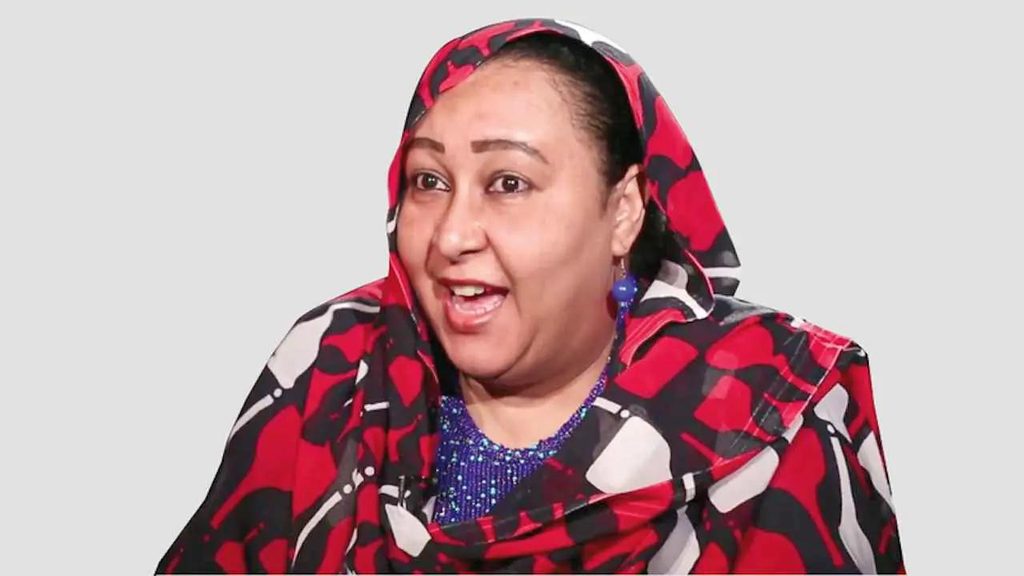
Sudanese journalist Rasha Awad has drawn a wave of solidarity after receiving explicit death threats on social media, days after publicly challenging claims that supporting the Sudanese Armed Forces amounts to defending Sudan’s state institutions.
The Sudanese Journalists Syndicate said it was deeply alarmed by a widely circulated post openly calling for Awad to be killed over her political views and public positions.
The syndicate described the post as direct incitement to murder containing hate speech, degrading language and an explicit threat against the journalist.
It said political or ideological disagreement could never justify calls for violence or killing, warning that such incitement could have serious consequences in a country already marked by extreme polarisation and widespread hate speech.
The syndicate called on authorities to open an immediate investigation, identify those responsible and take legal action against anyone involved in inciting violence.
It also urged political parties, professional groups and public figures to condemn the threats and called on social media companies to remove content promoting violence.
The threats followed comments by Awad in which she challenged one of the central narratives advanced by SAF and its supporters since the outbreak of war in April 2023 — that the army represents Sudan’s legitimate state institutions while rival forces represent militia rule.
Awad questioned how that argument could be sustained while SAF continues to fight alongside an expanding network of armed groups and militias.
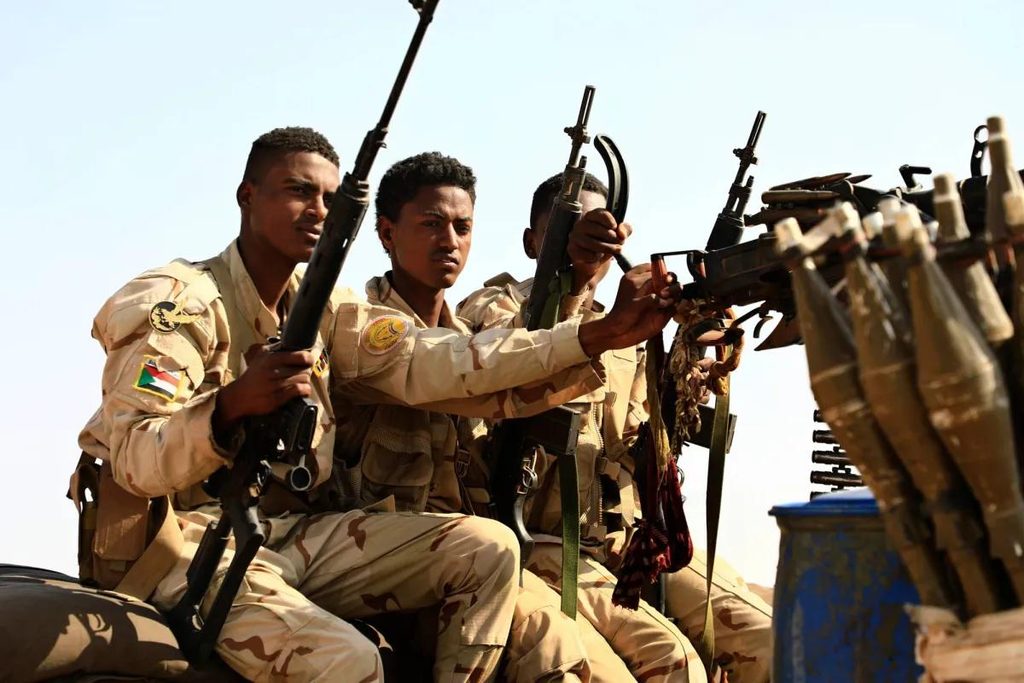
She pointed to formations including Sudan Shield, Western Shield, eastern armed groups and forces linked to Sudan’s Islamist movement, arguing that the proliferation of such groups had further blurred the distinction between a conventional national army and allied militias.
“Where exactly are the state institutions that we are supposed to stand with?” Awad asked in remarks reported by Sudanese media.
She argued that Sudan’s crisis could not be resolved by attempting to eliminate one armed force while creating or empowering numerous others.
Her comments have resonated with critics of the Port Sudan authorities, who say SAF’s reliance on Islamist brigades, tribal formations and armed movements undermines claims that the war is simply a struggle to restore state authority.
The controversy also highlights the increasingly dangerous environment facing Sudanese journalists and commentators who criticise the military, its allies or the political forces surrounding the Port Sudan administration.
Activists and journalists launched a broad solidarity campaign with Awad following the threats, condemning attempts to silence political criticism through intimidation and violence.
The Journalists Syndicate warned that the spread of incitement and hate speech could encourage further attacks against media workers and deepen Sudan’s already severe political and social divisions.
Awad’s intervention has also renewed debate over the future of Sudan’s security sector and whether any post-war settlement can rebuild genuine national institutions while dozens of armed formations continue to operate alongside the country’s competing military forces.