Sudanese diplomatic sources have dismissed the possibility of indirect talks in Washington between the Sudanese Armed Forces and the Rapid Support Forces, saying the chances of meaningful dialogue have been effectively shut down by the SAF’s uncompromising approach. The sources noted that while international diplomacy continues to push for a path toward de-escalation, SAF’s political and military posture has become increasingly rigid, deepening the crisis instead of easing it.
Roughly two months ago, the US facilitated an indirect meeting in Washington between government representatives and the RSF, but the initiative stalled as the SAF refused to move on basic steps needed to establish a humanitarian truce. Before that, President Biden’s adviser for African affairs, Musaad Boulos, held three rounds of talks with SAF commander Abdel Fattah al-Burhan, yet none produced tangible progress, largely due to SAF’s insistence on conditions viewed by diplomats as unworkable and designed to avoid real negotiations.
According to media, the SAF’s latest declaration signals a near-total refusal to engage with the RSF. Burhan has repeatedly rejected the quartet’s proposed ceasefire roadmap, demanding that the RSF first withdraw from all its positions and relocate to designated camps, a precondition diplomats say is detached from reality and serves only to block any political process before it begins.
SAF has also refused to deal with the quartet mechanism because of the UAE’s participation, preferring hand-picked bilateral channels with Egypt, Saudi Arabia and the US. Diplomats describe this selective engagement as an attempt by the SAF to shield itself from broader international scrutiny and to maintain control over the negotiation format, even if that means derailing momentum toward peace.
The quartet framework offers a clear roadmap beginning with a humanitarian truce, followed by a sustained ceasefire and a comprehensive political process. But despite international pressure, SAF continues to prioritise military escalation and territorial calculations over civilian protection and political compromise. While both sides assess battlefield gains, observers emphasise that the SAF’s rigid preconditions, refusal to engage multilaterally and dismissal of mediation efforts have become the primary barriers to a negotiated settlement.
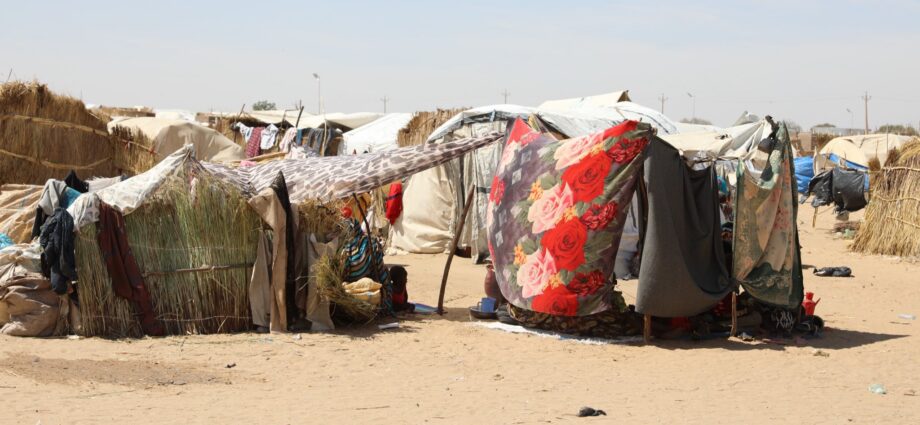
For now, Sudan’s hopes for diplomacy remain undermined not only by ongoing fighting but by an SAF leadership unwilling to take even minimal steps toward dialogue. Diplomats warn this continued obstruction risks prolonging the conflict and worsening the humanitarian catastrophe, while delaying any credible path toward peace.