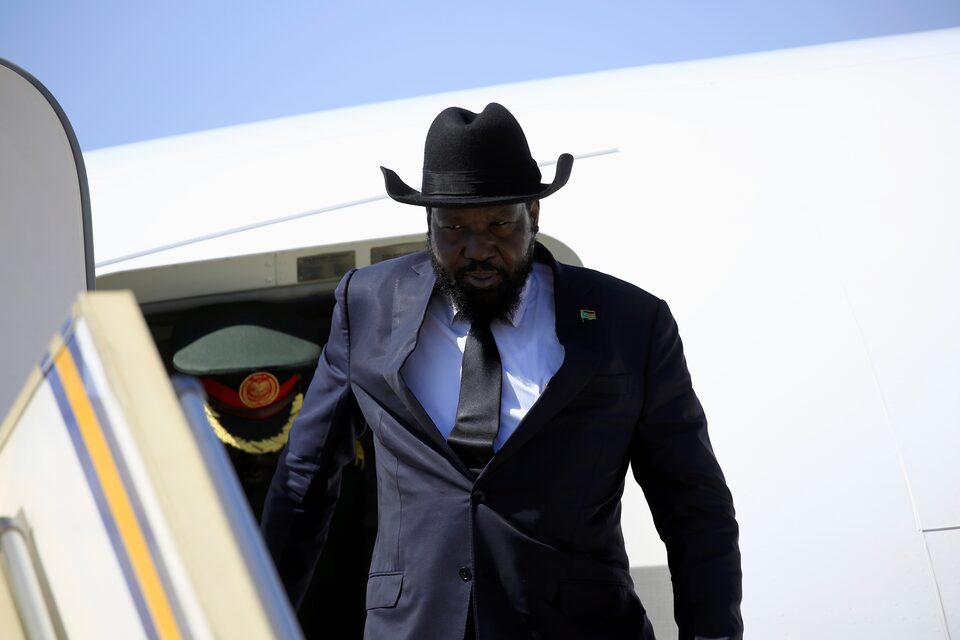
South Sudanese President Salva Kiir dissolved the country’s transitional government on Tuesday, marking a major new step in preparations for long-delayed national elections scheduled for December.
The move came hours after Kiir signed amendments to the country’s election law removing requirements to complete a permanent constitution and national census before voting can take place.
Kiir’s office said the transitional government was dissolved in accordance with the electoral process as South Sudan entered what authorities described as a critical phase of preparations for the vote.
The country’s transitional arrangements were established under a 2018 peace agreement following years of conflict, but repeated delays in completing key provisions — including a permanent constitution and census — have repeatedly pushed back elections.
Parliament approved amendments to the National Elections Act late on Monday, and Kiir signed them into law on Tuesday.
Under the revised legislation, the existing executive leadership will retain full constitutional powers during the election period until a newly elected president takes office.
Voter registration has yet to begin.
The latest changes come a week after Kiir replaced the head of the National Elections Commission without publicly giving a reason.
South Sudan’s political transition remains complicated by the detention of Kiir’s longtime rival Riek Machar, leader of the main opposition SPLM-IO.
Machar has been under house arrest since March 2025 and is standing trial on charges including treason and murder, accusations he denies.
The revised election law will also significantly reduce the size of the country’s legislatures.
The National Legislative Assembly will be cut from 650 members to 270, while state assemblies will shrink from 100 seats to 58. Legislative councils in South Sudan’s administrative areas will each have 20 members.
South Sudan has not held a national election since gaining independence in 2011.