Medical supplies for clinics treating Sudan’s deepening humanitarian crisis could run out within weeks as conflict in the Middle East disrupts key transport routes, Save the Children has warned.
The aid group said shipments of critical medicines have been delayed by airspace closures and the suspension of shipping through the Strait of Hormuz, as the U.S.-Israeli war with Iran continues to ripple through global logistics networks.
Around $600,000 worth of essential medical supplies is currently stranded in ports in Dubai, leaving dozens of clinics at risk of running out of stock.
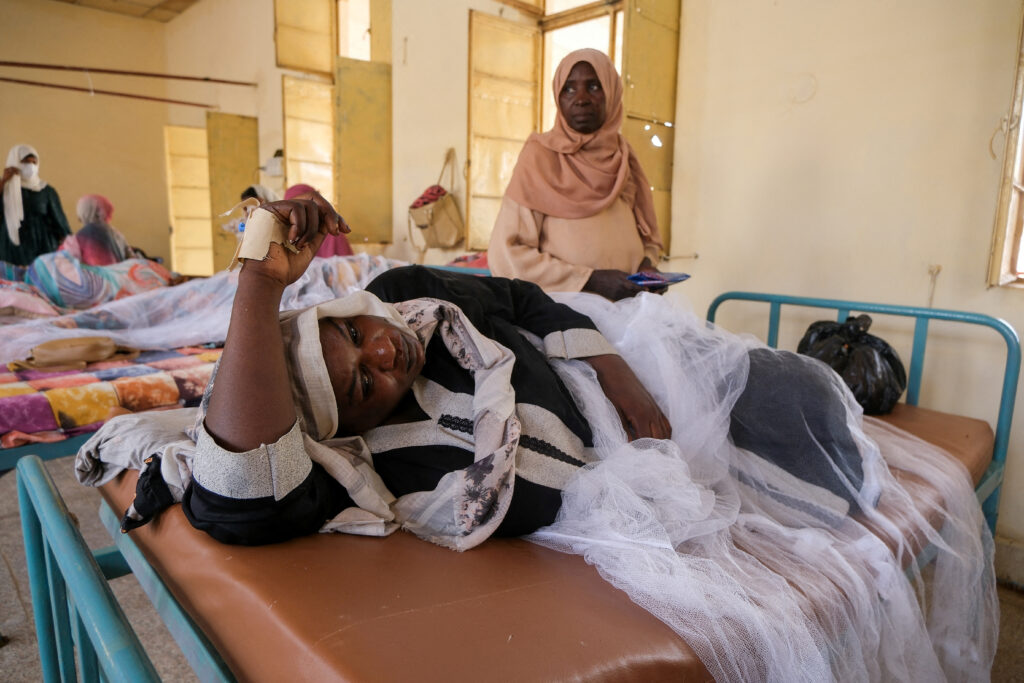
Nearly 90 government-run health facilities in Sudan — serving an estimated 400,000 people — depend entirely on these deliveries, with no viable alternatives inside the country, according to Willem Zuidema, the organisation’s global director of supply chain safety.
Sudan’s conflict, now entering its third year, has displaced millions and created one of the world’s most severe humanitarian emergencies.
“We have a couple of weeks to reroute these supplies before stocks are depleted. The clock is ticking,” Zuidema said, warning that once reserves are exhausted, patients will be cut off from even basic healthcare.
The delayed shipments include antibiotics, antimalarial drugs, deworming treatments, painkillers, fever medication and injectable medicines for children. Supplies typically arrive through Port Sudan before being transported overland to conflict-affected regions, including Darfur.
The crisis is part of a broader strain on global aid systems. U.N. humanitarian chief Tom Fletcher said last week that supply chains are under growing pressure, particularly affecting sub-Saharan Africa and Gaza.
The World Health Organization has also raised concerns about worsening shortages. Regional director Hanan Balkhy said supply gaps are widening across several parts of Sudan as demand surges.
Rising transport costs are further compounding the crisis. Save the Children said container shipping rates have increased by 25–30% as vessels are rerouted around the Cape of Good Hope, significantly extending delivery times.
Zuidema warned the current disruption could prove more severe than during the early stages of the Ukraine war or the COVID-19 pandemic, as humanitarian operations now lack financial buffers after recent donor cuts.
“Demand is increasing, but our capacity to respond is shrinking — especially with rising fuel costs,” he said.
The organisation’s Sudan budget has already been reduced by $4 million this year, bringing total funding down to $98 million, further limiting its ability to respond to growing needs.