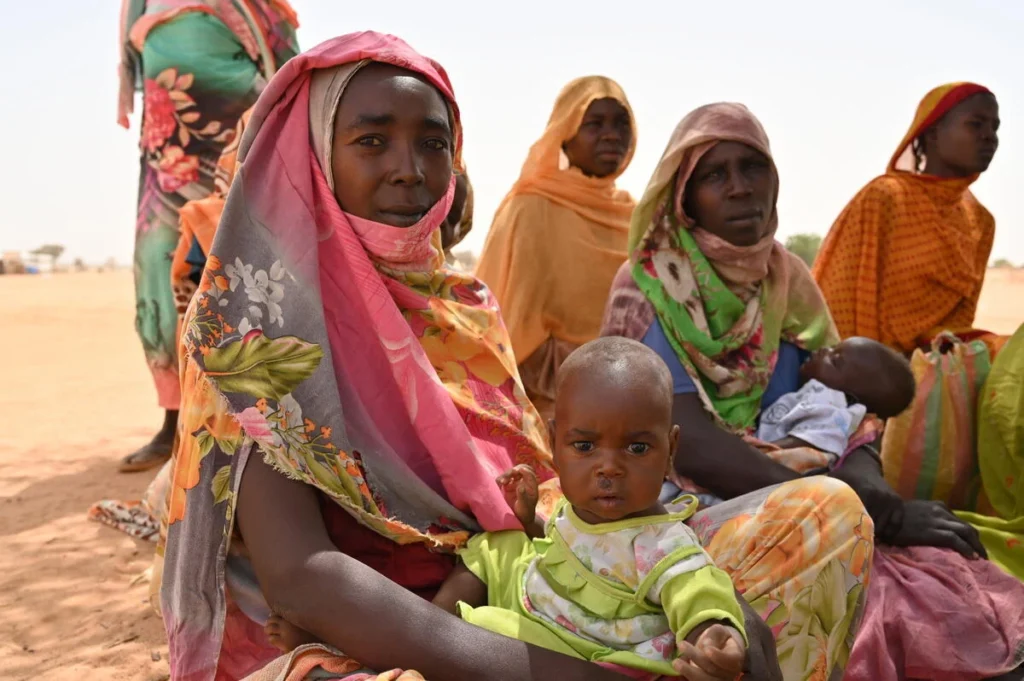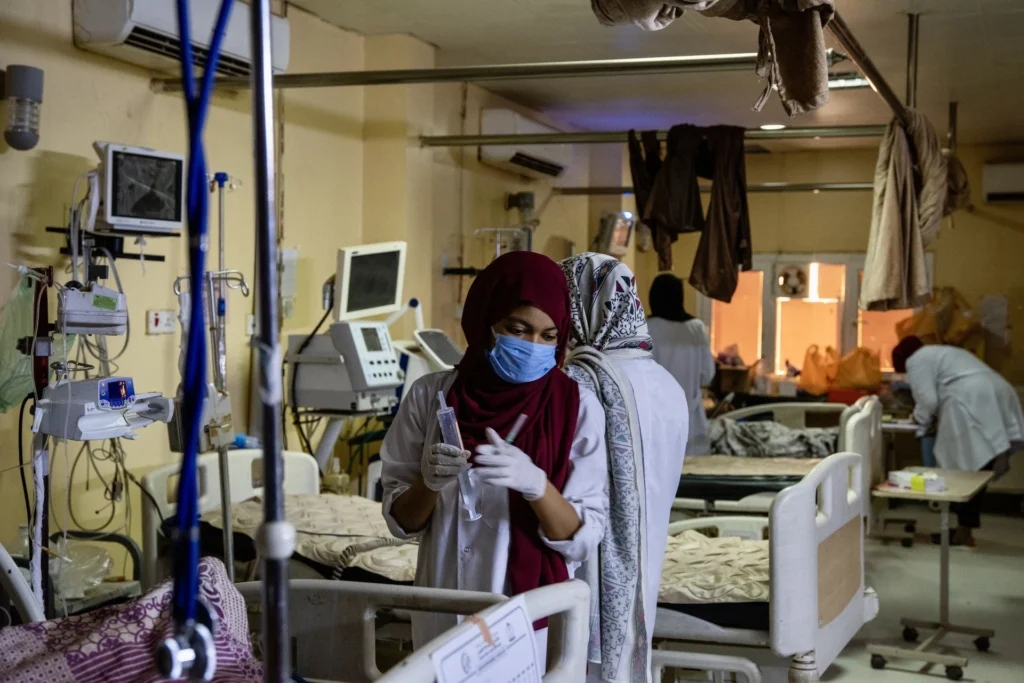
Sudan is already feeling the strain of disrupted medicine supplies, as conflict-driven shocks ripple across Africa’s fragile and overstretched healthcare networks.
“We’re already seeing it in Sudan, we’re already seeing it in the DRC and it’s starting to become apparent in most countries,” Rodrigue Alitanou, director of operations for medical NGO Alima said.
Rising tensions linked to the Middle East conflict are intensifying pressure on medical supply chains, threatening access to life-saving treatments across vulnerable regions.
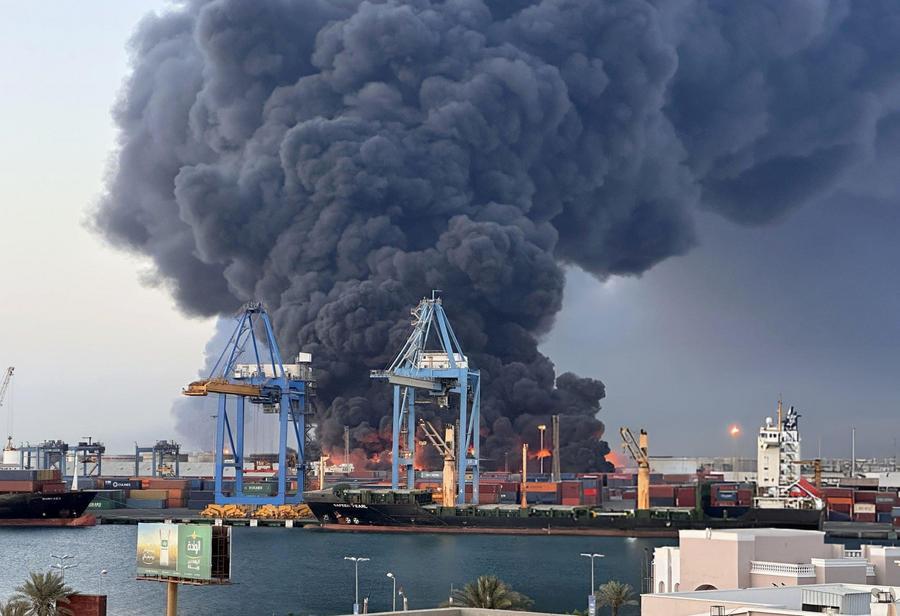
Fuel price surges and disrupted routes through the Strait of Hormuz are delaying deliveries to crisis-hit areas already facing severe shortages.
Nonprofit organisations warn that dwindling stocks could soon halt essential care, particularly in regions weakened by recent United States aid reductions.
Rodrigue Alitanou of medical NGO ALIMA said some medicine reserves may run out by the end of April without urgent logistical improvements.
He warned prolonged disruption could turn early warnings into direct consequences, undermining healthcare continuity for vulnerable populations across multiple African countries.
Africa imports more than 70 percent of its medicines, leaving national systems highly exposed to global disruptions and rapidly rising transportation costs.
Higher shipping expenses are already forcing difficult trade-offs, reducing the number of patients receiving treatment for malnutrition and other critical conditions.
Supply chains centred in the Middle East have been disrupted, including key logistics hubs in Dubai that serve the African continent.
The World Health Organization reported cancelled shipments and rerouted deliveries following airspace closures linked to the ongoing conflict.
Aid groups are diverting cargo around the Cape of Good Hope, extending delivery times by weeks and sharply increasing operational costs.
Experts say shortages are not yet widespread, but mounting strain risks triggering crises in already fragile and underserved regions.
Despite a ceasefire between the United States and Iran, instability persists, with maritime disruptions continuing to affect critical shipping routes.
Health officials warn recovery from these setbacks may take weeks, prolonging uncertainty for millions reliant on fragile humanitarian medical supply systems.