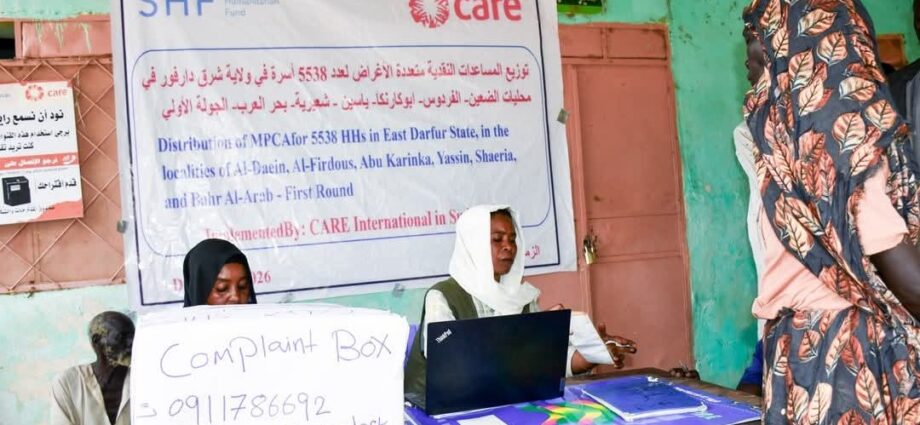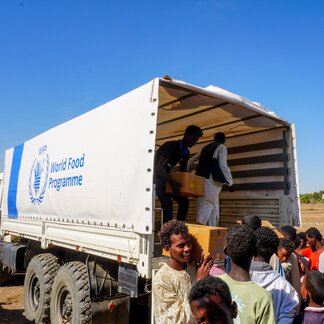
The World Food Programme faces a funding shortfall of nearly $300 million in Sudan, forcing it to cut food rations and limit assistance as war pushes more people into hunger, its acting chief said on Monday.
Carl Skau, speaking to Reuters from Darfur after travelling across Sudan, said funding shortages were preventing the agency from fully using humanitarian access it had secured.
While reaching communities had previously been the biggest challenge, aid teams now had a presence they could not fully utilise, he said.
Skau described funding this year as roughly half last year’s level. WFP received $645 million in 2025, but had secured only $206 million almost three-quarters of the way through 2026.
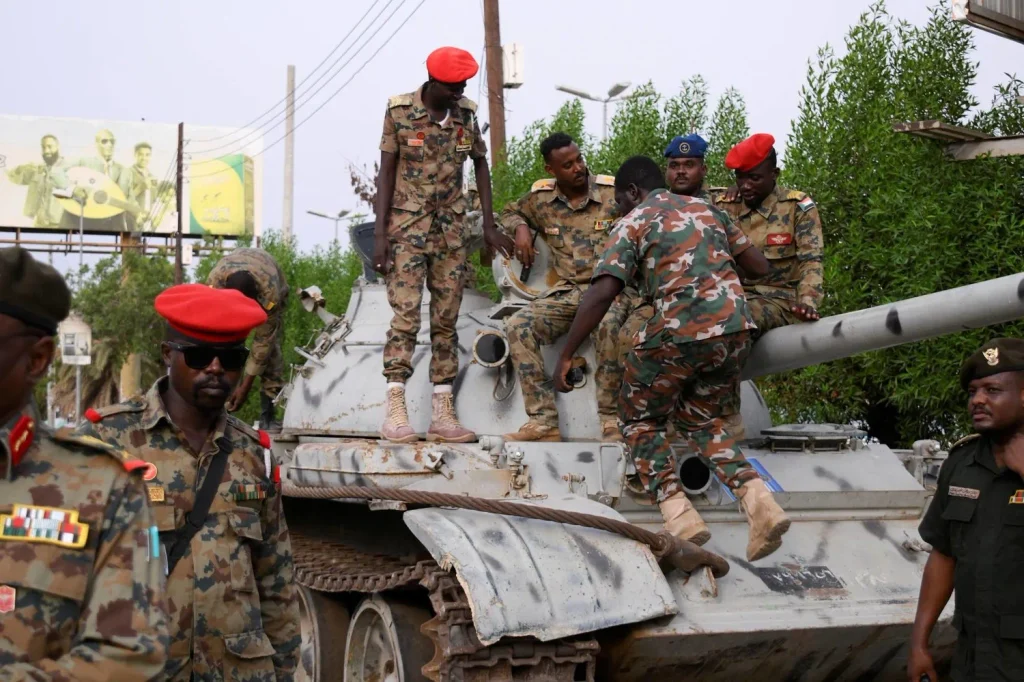
Sudan’s war, which erupted between the army and the Rapid Support Forces in April 2023, has displaced up to 14 million people, destroyed harvests and devastated the economy.
Almost 20 million people face hunger in what WFP describes as the world’s largest hunger crisis. Budget cuts have forced the agency to prioritise the five million people most urgently in need, with assistance recently expanded to reach four million.
Even those receiving support are struggling with reduced provisions.
In Tawila, North Darfur, where around one million people are sheltering, WFP distributes food every month but provides only enough to cover two weeks.
“It’s not clear how they really are surviving the other two weeks,” Skau said.
In El Obeid, where roughly one million people have sought refuge since the war began, the agency can assist only those who arrived in recent months.
“We are providing, but less and less. A year ago it was better because of resources,” he said.
WFP has also recently started delivering assistance in al-Fashir, once home to around one million people. Investigators said an RSF attack on the city last year bore the hallmarks of genocide. Skau said there was little indication that life had returned.
The International Organization for Migration issued a separate warning on Monday that emergency supplies for people displaced by the war could run out within weeks.
Stocks of shelter materials, sanitation supplies and essential household goods are expected to be exhausted by the end of September. Without additional funding, the aid system supporting those deliveries can continue operating only until December.
IOM said it needs $15 million to maintain the pipeline for the rest of the year, supporting around 305,000 people. More than 100 humanitarian organisations depend on it to deliver emergency assistance quickly.
The agency estimates that 8.6 million people remain internally displaced, while another 4.9 million have returned home.
The shortages follow sweeping US foreign aid cuts under the Trump administration and reductions by other major donors facing financial pressures and increased defence spending.
“The entire humanitarian system could collapse within weeks if we don’t act now,” IOM Director General Amy Pope said.