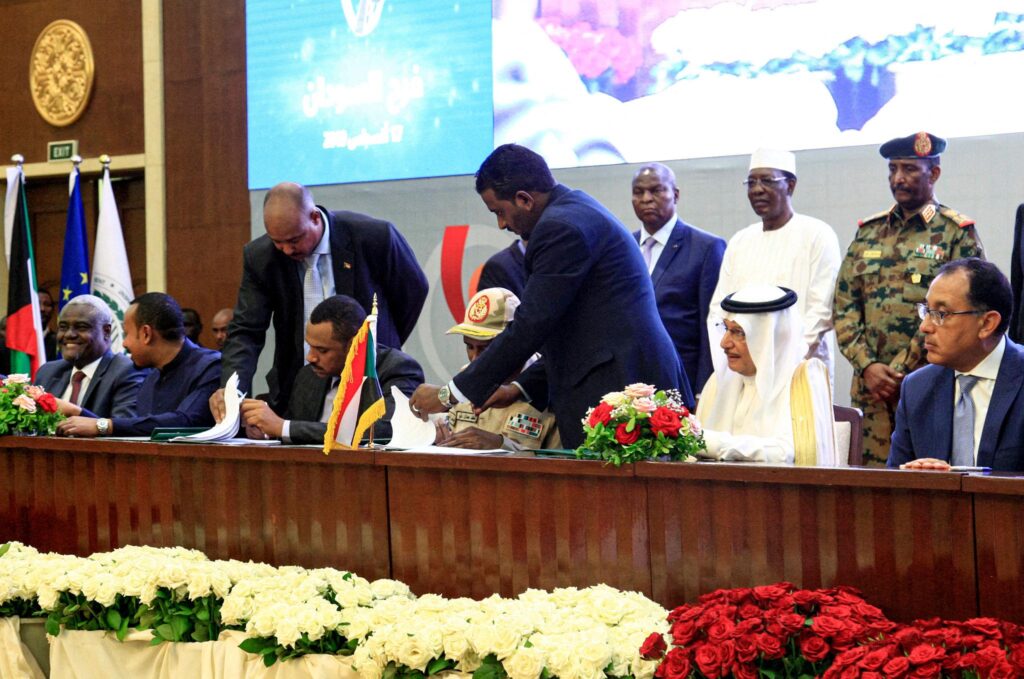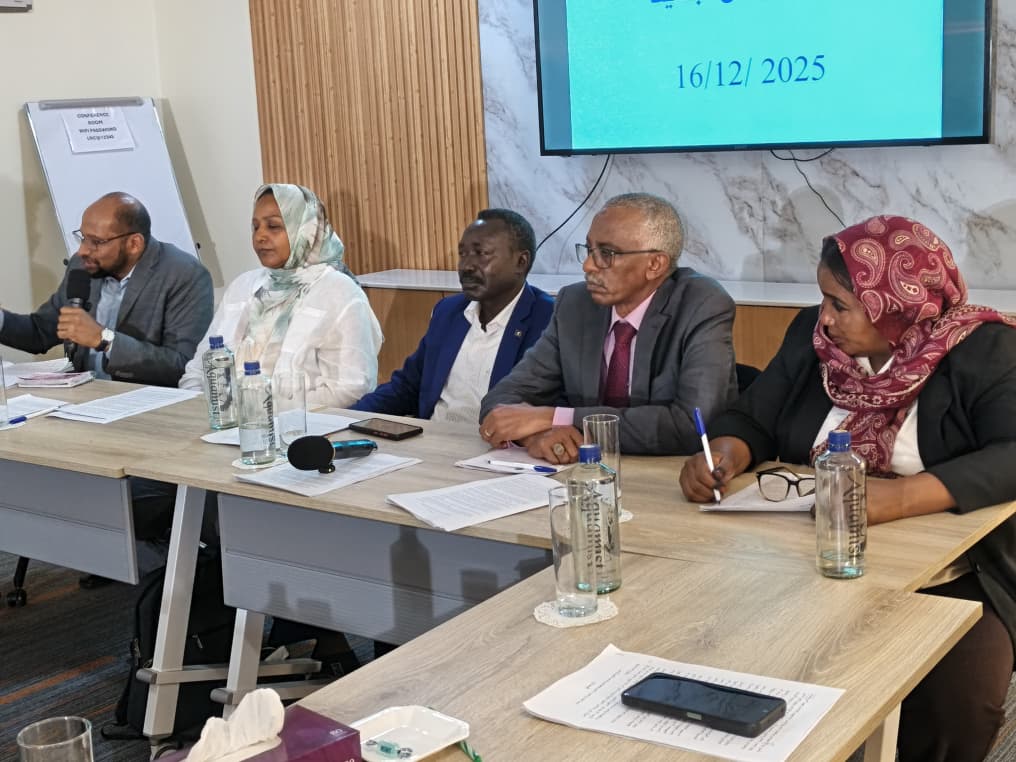
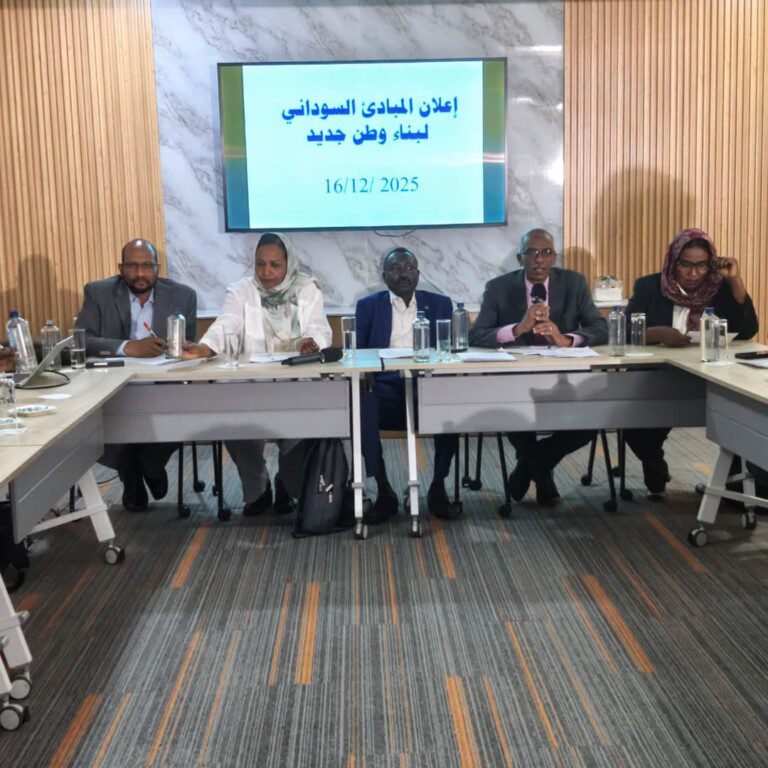
Sudanese civil, political and revolutionary groups signed a Declaration of Principles in Nairobi on Tuesday, alongside a legal memorandum calling for Sudan’s Islamic Movement, the former ruling National Congress Party (NCP), and their associated fronts to be designated as terrorist organisations.
The signatories said the move aims to unify civilian forces opposed to the war and chart a political vision for restoring a democratic path in Sudan.
The documents include a Declaration of Principles outlining a shared political framework for a “new Sudan”, as well as a legal submission arguing that the Islamic Movement and the NCP should be classified as a terrorist system due to their alleged role in undermining democratic transition, fuelling violence, and contributing to abuses since the war erupted on 15 April 2023.
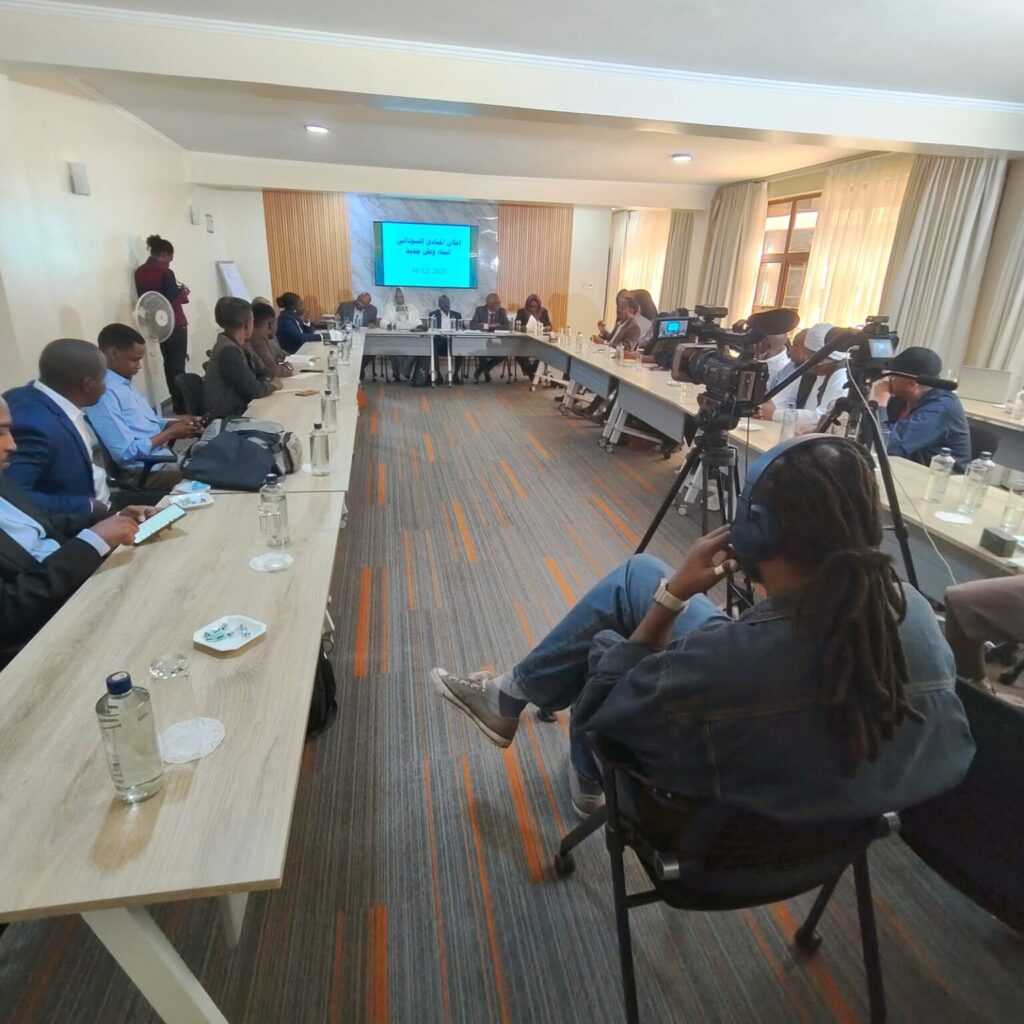
Signatories
The list of signatories spans a broad spectrum of political, civil and revolutionary organisations, including:
– Sudan Liberation Movement/Army
– Sudanese Congress Party
– Federal Gathering
– Arab Socialist Baath Party – Original
– National Umma Party
– Sudan People’s Movement – Revolutionary Democratic Current
– Arab Baath Party
– Sudanese Alliance
– Republican Party
– Coordination of IDPs and Refugees
– Darfur Lawyers Association
– Civil Forces Alliance for Eastern Sudan
– Coordination of Professionals and Trade Unions
In addition to other civil society groups and national figures.
A war approaching 1,000 days
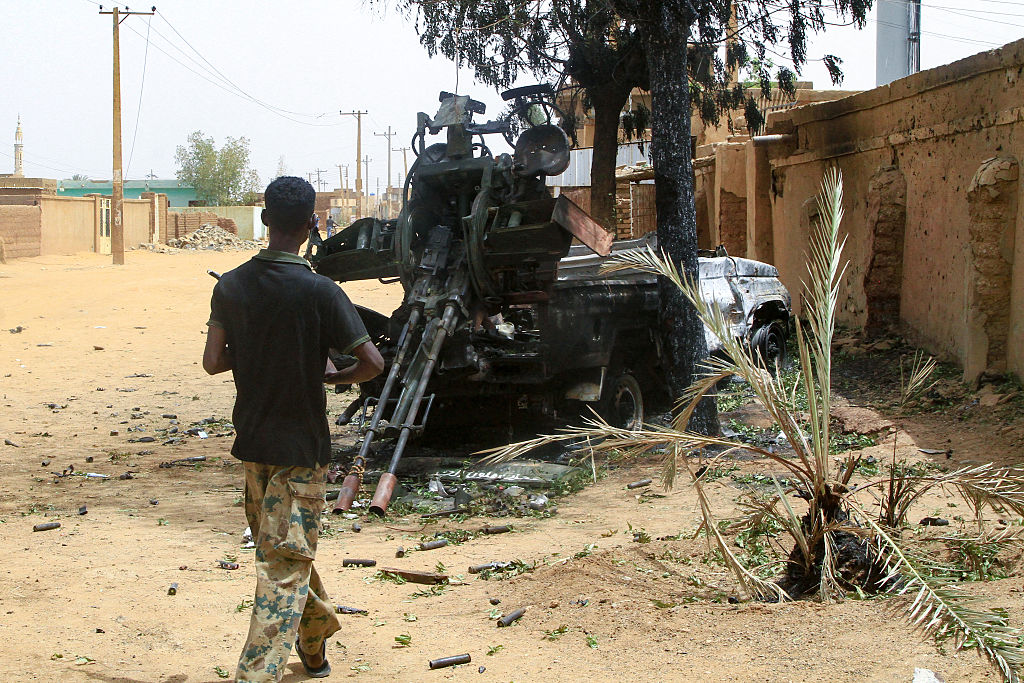
The signing comes as Sudan approaches 1,000 days of war—described by participants as one of the bleakest chapters in the country’s modern history. Entire cities and villages have become open theatres of death and destruction, social cohesion has fractured, and state institutions and essential services have largely collapsed, leaving civilians—women, children and the elderly—to bear the heaviest burden.
Participants stressed that the conflict, ongoing since April 2023, is no longer a political struggle for power but a full-scale humanitarian catastrophe pushing Sudan toward fragmentation and collapse. They warned that continued fighting will mean further death and suffering for a population that “did not choose this war”.
Yet despite the devastation, speakers highlighted strong examples of community endurance—from local solidarity networks and shared resources to grassroots relief efforts and the role of art, literature and free expression in helping communities resist despair and retain their sense of humanity.
Humanitarian alarm over Kordofan
The meeting opened with an urgent humanitarian appeal for Greater Kordofan, especially the areas of El Obeid, Kadugli, Dilling, Debeibat and Er Rahad, where hostilities have sharply intensified.
The groups called for an immediate halt to fighting, stressing the absolute priority of protecting civilians under international humanitarian law.
They held all warring parties—and their allies—fully responsible for violations against civilians and demanded accountability for those involved in killings, abuses and the destruction of Sudan’s social and economic fabric.
International role and the Quad
The signatories urged regional and international actors to adopt a more decisive role in addressing the war, emphasising the importance of the Quad mechanism as the most practical platform to secure an unconditional humanitarian truce.
Such a truce, they said, would serve as a test of the parties’ willingness to protect civilians and create space for a political settlement.
The “New Sudan” project
Discussions also covered the current humanitarian, security and political landscape, exploring pathways to end the war through a comprehensive peace process that addresses the structural causes of conflict and lays the foundations for rebuilding the Sudanese state on new democratic principles.
They agreed on three core documents forming the basis of a proposed “New Sudan”:
– A Declaration of Principles for a state built on equal citizenship, democracy and justice
– A roadmap to halt and end the war, including a humanitarian truce, ceasefire, and political process
– A legal memorandum urging the designation of the Islamic Movement and NCP as a terrorist system based on their alleged decades-long role in democratic subversion, violence and major abuses, including those linked to the ongoing war.
Expanding the civilian front
In a closing statement, participants announced the creation of a flexible, coordinated framework for joint action among democratic civilian forces, aimed at translating the agreed documents into practical steps and expanding the anti-war civilian front inside and outside Sudan.
They also saluted grassroots organisers, political forces and community-based groups across the country, calling for broader peaceful resistance “for life” and closer work with Sudanese communities to push meaningfully toward peace.