Several Sudanese political parties and civil society groups have welcomed Washington’s decision to designate the Sudanese Muslim Brotherhood — also known locally as the Sudanese Islamic Movement — as a terrorist organization, describing the move as a long-awaited step toward accountability for decades of violence and political repression.
The reaction came after the United States announced that it had designated the Sudanese Muslim Brotherhood as a “Specially Designated Global Terrorist” (SDGT) and intends to formally list it as a Foreign Terrorist Organization (FTO) beginning on March 16.
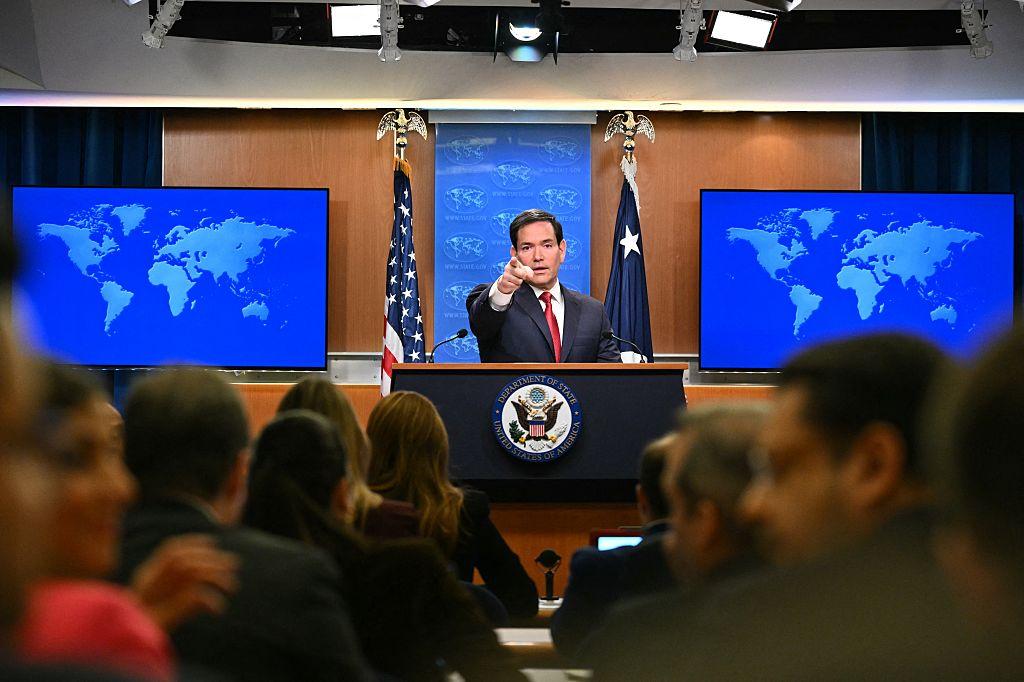
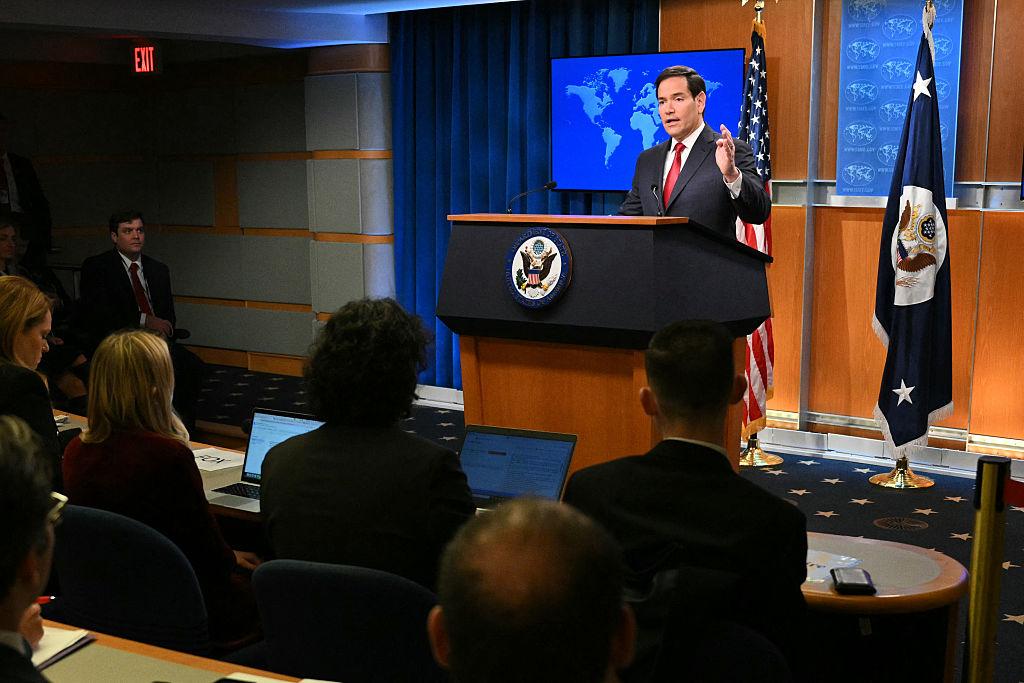
In a statement, US Secretary of State Marco Rubio said the designation was based on the group’s alleged involvement in violence against civilians and its role in prolonging Sudan’s conflict.
“The Sudanese Muslim Brotherhood uses unrestrained violence against civilians to undermine efforts to resolve the conflict in Sudan and advance its violent Islamist ideology,” Rubio said.
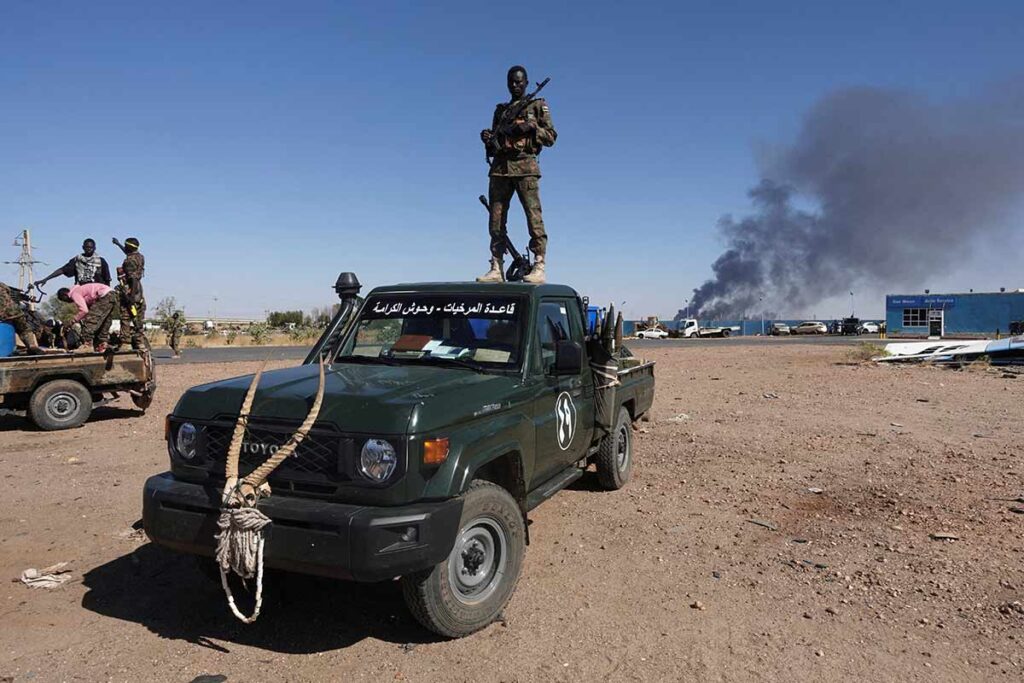
Washington also accused fighters linked to the movement — including the Al-Baraa Bin Malik Brigade — of carrying out mass executions of civilians and receiving training and support from Iran’s Islamic Revolutionary Guard Corps.
Sudanese political reactions
The decision was quickly welcomed by several Sudanese political forces that have long opposed the Islamist movement that dominated the country during the rule of former president Omar al-Bashir.
The Sudanese Congress Party praised the move, with its secretary-general Sharif Mohamed Osman saying the designation could help advance peace in Sudan.
Osman said the Islamist movement had “destroyed opportunities for peace” and that the US decision would help promote regional and international security after years in which Sudanese citizens paid a heavy price for the group’s extremism.
The Civil Democratic Alliance of the Forces of the Revolution (Somoud) also welcomed the designation, describing it as a reflection of the will of the Sudanese people who rose up during the December revolution against decades of Islamist rule.
In a statement, the alliance said the Islamist movement had committed widespread crimes during its decades in power and played a major role in prolonging Sudan’s current war. The group called on other governments and international organizations to adopt similar measures against the movement.
Meanwhile, the Sudan Founding Alliance (TASIS) — a political coalition aligned with the Rapid Support Forces (RSF) — also welcomed Washington’s decision, saying the designation represents recognition of the role Islamist networks have played in fueling the conflict and destabilizing the country.
Several Sudanese political figures and activists also publicly supported the decision on social media, arguing that the classification reflects international acknowledgment of the Islamist movement’s historical role in Sudan’s conflicts and authoritarian governance.
Broader implications
Analysts say the designation could have significant political and financial consequences for Islamist networks linked to Sudan’s former ruling establishment.
The US sanctions framework freezes assets under American jurisdiction and prohibits financial transactions with the designated group, while individuals or institutions that engage with it could face secondary sanctions.
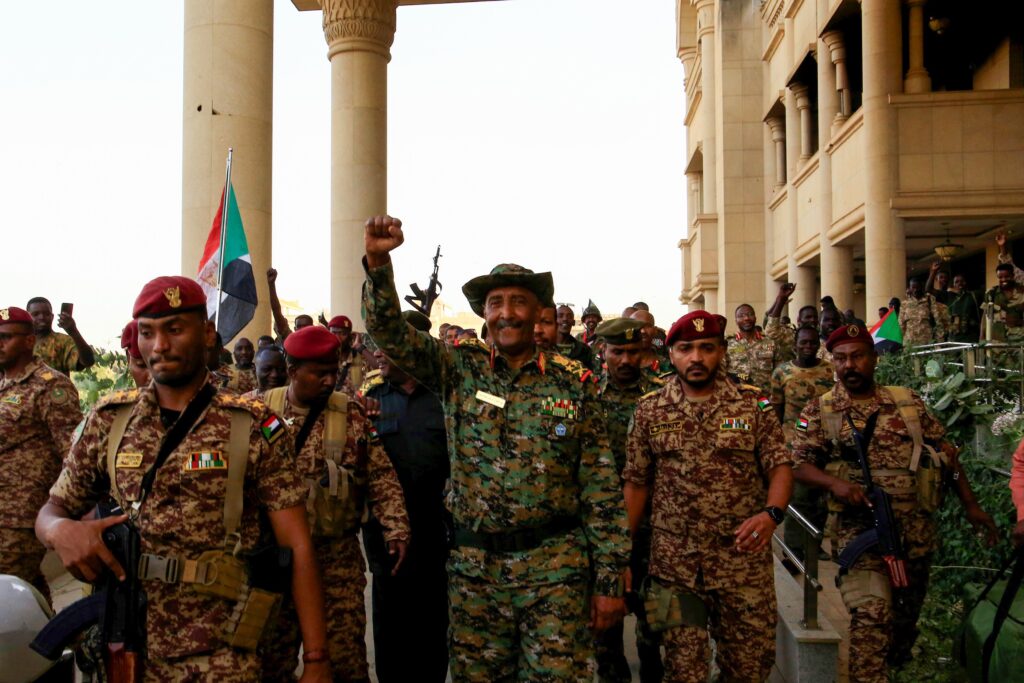
The move is also likely to intensify scrutiny of Islamist militias fighting alongside General Abdel Fattah al-Burhan’s army (SAF), including groups accused by Washington of committing abuses against civilians during the ongoing war.
For many Sudanese political actors who opposed the former Islamist regime, the designation is being framed as a symbolic turning point — one they say may open the door to greater international pressure on networks associated with Sudan’s Islamist movement.