Commercial transactions have nearly ground to a halt at a major border market in eastern Chad as the Sudanese pound’s rapid decline makes digital payments increasingly risky for traders supplying western Sudan, local Sudanese media reported.
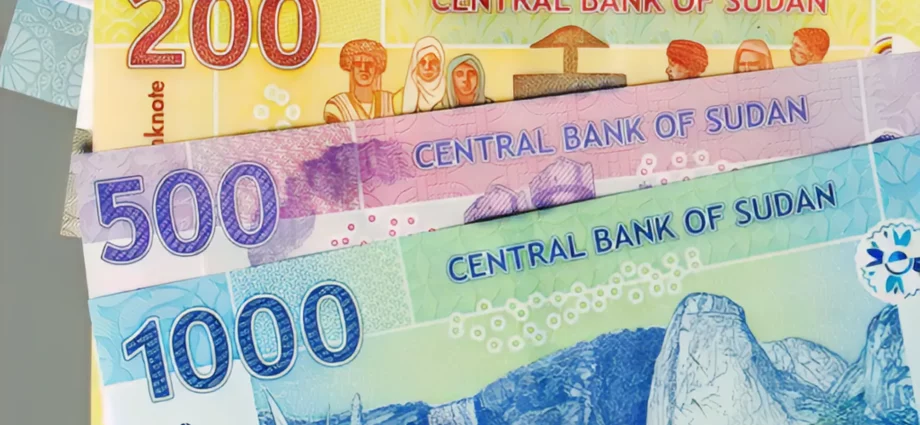
Merchants in the Chadian town of Adré have largely stopped accepting transfers through Bankak, Sudan’s dominant mobile banking application, because of sharp fluctuations in the pound against the Chadian franc and other foreign currencies.
A wholesale trader in Adré said merchants were increasingly losing money when accepting electronic transfers because exchange rates could change rapidly before the funds were converted into Chadian francs.
Traders also face growing difficulties converting Bankak balances into physical cash, which they need to purchase replacement goods and maintain commercial operations.
As a result, many merchants have begun insisting on cash payments to protect their capital and ensure they can continue buying supplies.
Adré is one of the most important commercial gateways serving Darfur and other parts of western Sudan, where the war has severely disrupted domestic supply routes.
Food, fuel and other essential commodities are routinely transported through eastern Chad into Sudan, making disruption at the border market particularly significant for communities already facing soaring prices and shortages.
The liquidity crisis is also worsening across the border in West Darfur.
In El Geneina, the cost of converting Bankak transfers into physical currency has reportedly risen to around 46 percent at the Kitkat currency market, the highest level recorded there, according to local Sudanese media.
The surge has occurred despite relatively stable quoted exchange rates for the Sudanese pound against the US dollar and Chadian franc.
Traders said the growing gap between the nominal value of digital funds and their cash value was disrupting purchases and discouraging merchants from restocking goods.
The dollar was quoted at around 4,600 Sudanese pounds, while 1,000 Chadian francs traded for approximately 39,000 pounds in cash.
The same 1,000 francs cost around 59,000 Sudanese pounds when paid through Bankak, highlighting the premium imposed on digital transactions amid the shortage of physical currency.
The widening divide between cash and electronic exchange rates reflects mounting pressure on western Sudan’s commercial system, where merchants depend heavily on cross-border routes from Chad.
Continued difficulties converting electronic balances into cash could further increase the cost of financing imports and transporting goods into Darfur, eventually feeding through into higher prices for food and other essential commodities.
Sudan’s wider currency crisis has intensified in recent weeks, with the pound falling sharply on parallel markets as the prolonged war damages production, exports, banking services and domestic trade.