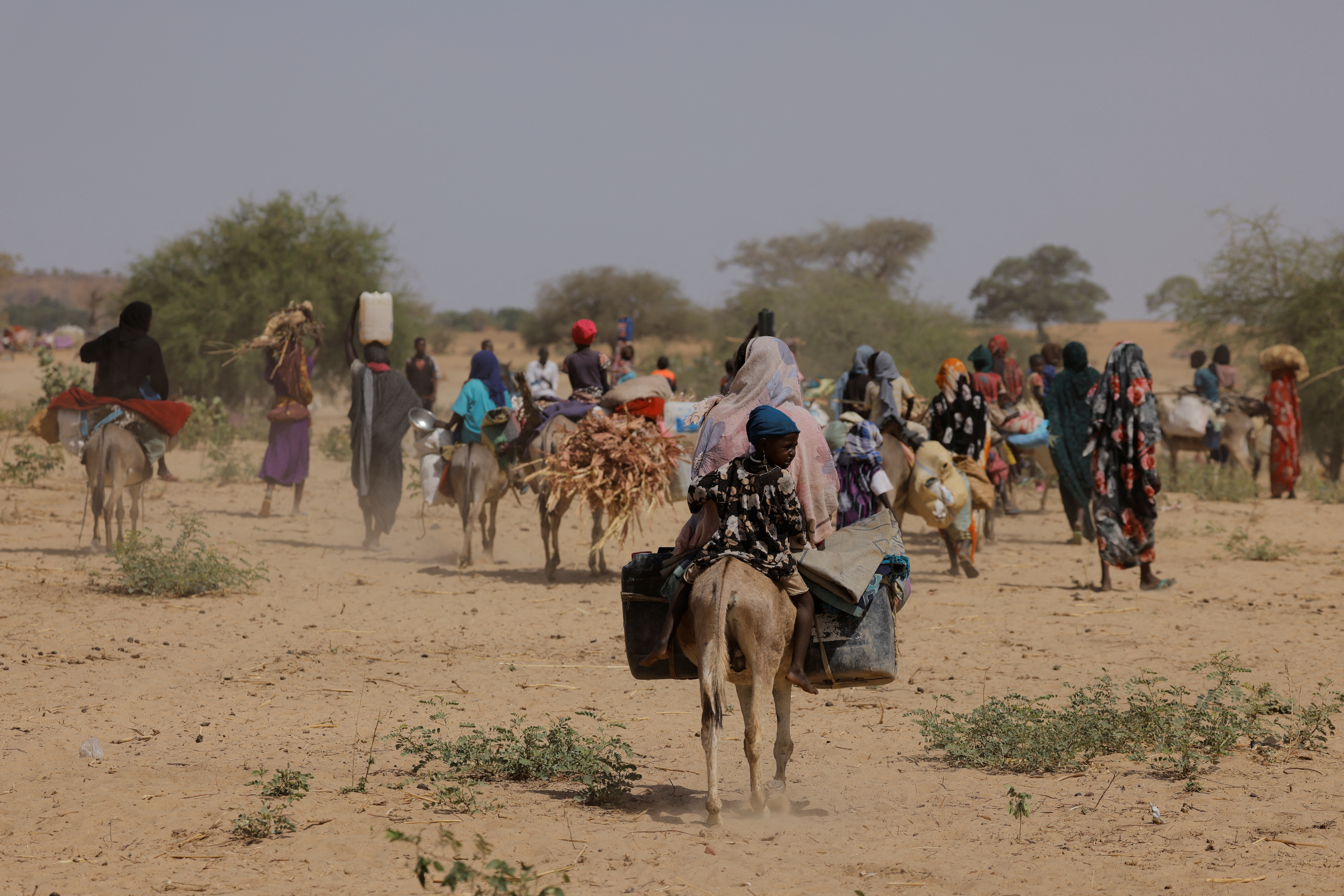
Sudanese refugees in Uganda and the Democratic Republic of Congo are facing a growing risk of Ebola transmission as overcrowding in border-area camps worsens already fragile living conditions.
Health experts warn that dense settlements, poor sanitation and limited access to clean water are creating conditions that could accelerate the spread of infectious diseases.
They say Ebola, which is transmitted through direct contact with bodily fluids, could spread more easily if early containment measures fail.
Aid agencies and health authorities are deploying monitoring systems, setting up isolation centres and expanding awareness campaigns across refugee camps.
However, humanitarian workers report rising anxiety among displaced communities, along with limited access to reliable medical information and reluctance to visit clinics due to stigma fears.
Many of those who fled Sudan’s conflict arrived in weakened health, increasing their vulnerability to outbreaks in overcrowded environments.
Officials and relief organisations continue to scale up response efforts, but concerns remain over whether interventions are moving quickly enough to prevent further spread.
With Ebola risks increasing inside displacement sites, international actors are under growing pressure to ensure refugee camps do not become new regional epicentres of infection.