Sudan risks severe disruptions to its imports as rising global shipping costs, driven by escalating conflict in the Middle East, threaten the country’s fragile economy and food security, economists warn.
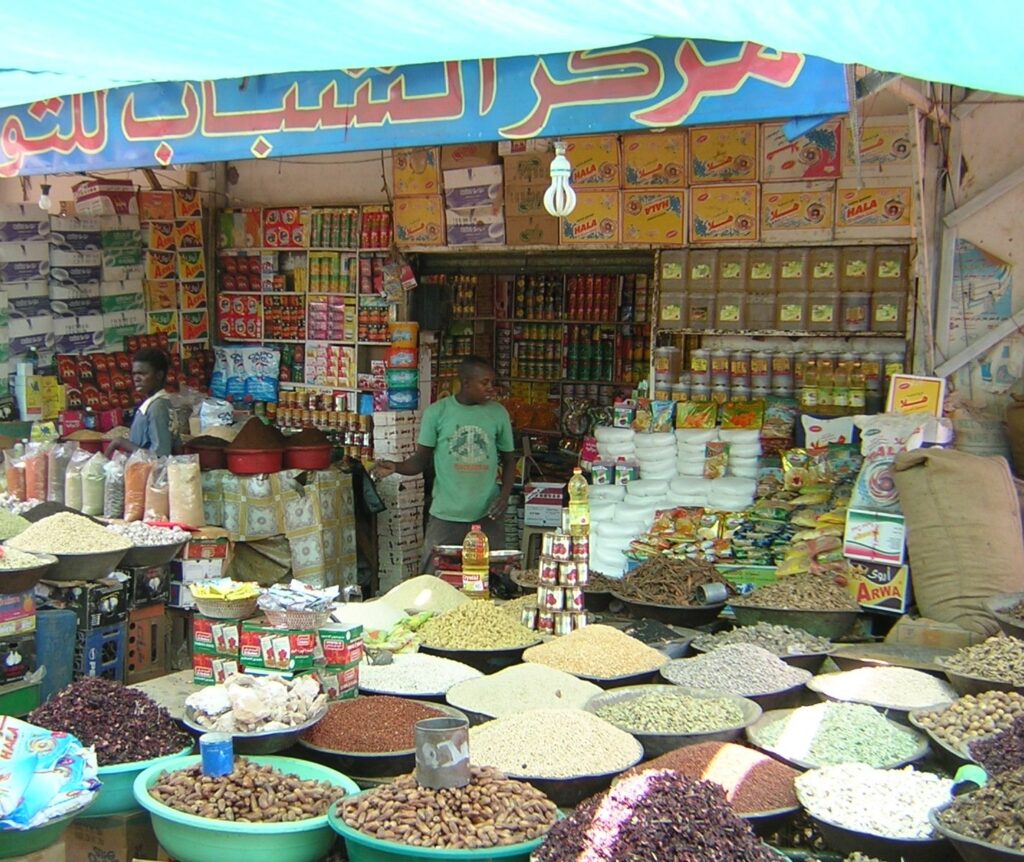
The concerns come as regional tensions continue to intensify, raising the prospect of long-term economic fallout that could spill into vulnerable economies such as Sudan. The country relies heavily on imports for essential goods after its domestic production base was devastated by the ongoing internal war.
While the conflict’s battlefield may appear geographically distant, analysts say its economic impact will extend across Africa due to the continent’s dependence on global supply chains.
Data from the Central Bank of Sudan shows the country’s trade deficit widened to $3.8 billion in 2025, reflecting a deep structural imbalance. Exports totaled just $2.64 billion last year, compared with imports of $6.49 billion.
Economist Al-Fateh Osman told Al-Araby Al-Jadeed that a prolonged regional war could push Sudan toward a severe food crisis, particularly due to its reliance on fertilizers and chemicals imported from Gulf countries.
He warned that if the conflict persists for more than three months, the situation could become “catastrophic,” with global food prices surging further. However, Osman noted that the crisis could also present an opportunity for Sudan to expand domestic agriculture and move toward self-sufficiency in wheat, sugar, edible oils, and textiles.
Despite inflation easing to below 57%, experts expect renewed price pressures that could trigger another wave of rising living costs across the country.
Sudan affairs analyst Ahmed Ismail said military escalation in the Gulf — a key artery for Sudan’s imports — places the country under direct strain. Disruptions to maritime routes could delay shipments of fuel, gas, and food, sharply increasing transportation costs.
He added that any restrictions on airspace would further raise export costs and weaken Sudanese companies’ access to international markets, hurting revenues and widening the balance of payments gap.
Rising global energy prices are also expected to feed directly into domestic production costs, increasing poverty and unemployment while expanding the budget deficit due to higher fuel import bills.
In light of these vulnerabilities, economic analyst Haitham Fathi urged authorities to implement urgent measures to protect exports and ensure the steady flow of goods without depleting domestic reserves.
He also called for diversifying energy sources, including importing gas from countries such as Algeria, to reduce reliance on traditional supply routes increasingly exposed to geopolitical risks.