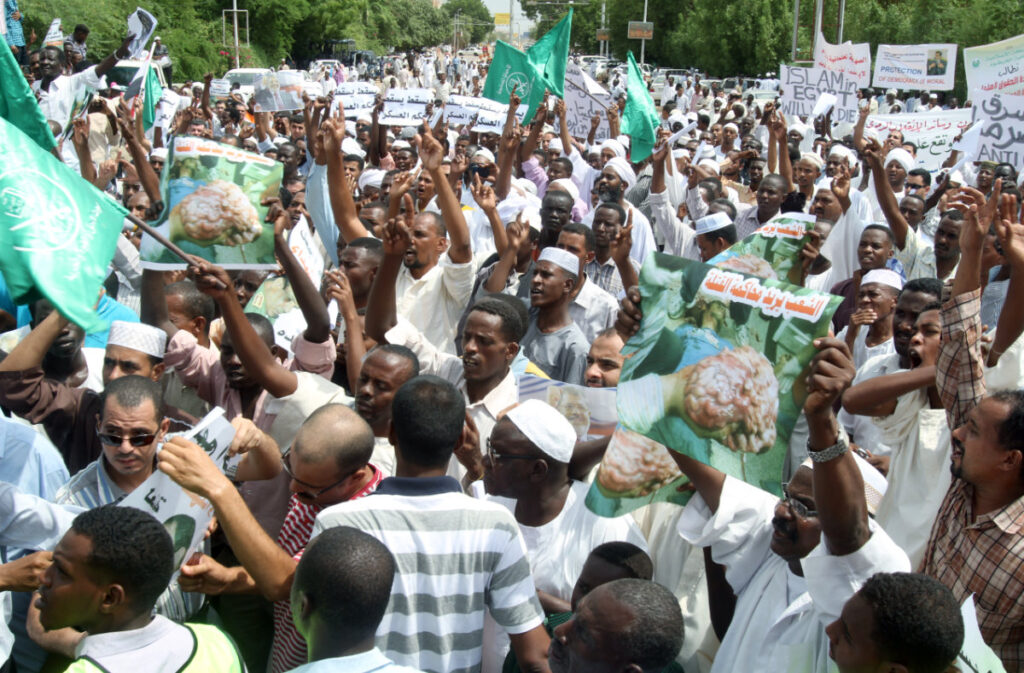
In Sudan, the roots of the ongoing crisis trace back to the influence of the Sudanese Islamic Movement, the local branch of the Muslim Brotherhood, embedded within key state institutions, particularly the SAF. This has transformed the conflict into a struggle for both political and military control.
The clashes are not merely between rival military factions. They represent a deliberate attempt by the Brotherhood to reassert dominance, maintaining a climate of chaos to protect and expand its influence across the state.
Reports indicate that the Brotherhood has leveraged its positions within the SAF, alongside affiliated militias like the Bara’a bin Malik Brigade, to embed armed cells within regular forces. These entities pose not only an internal security threat but also act as launchpads for expanding ideological, economic, and political control across the country.
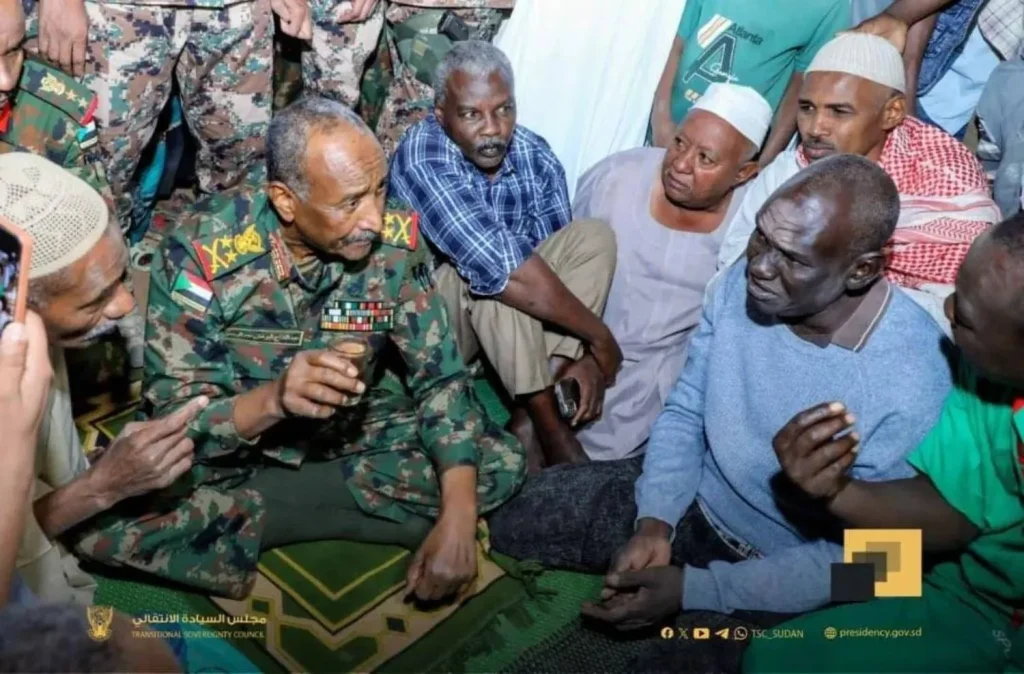
Despite failures in leadership, the current SAF command appears unable to free itself from this influence. Many senior officers, especially within intelligence and security sectors, have historical ties to the Islamic Movement, leaving peace initiatives and political transitions vulnerable to the Brotherhood’s interests.
Thus, the war is not merely a power struggle but a fight for survival, aimed at reproducing an “Islamic state” project under military cover, reshaping Sudan according to the Brotherhood’s vision.
This situation is not only a Sudanese challenge but a cautionary tale for any state: when political-religious networks penetrate security institutions, society becomes perpetually at risk, and agendas extending beyond national borders can be pursued unchecked.
Experts argue that the solution is clear: dismantling Brotherhood militias is only the first step. Equally crucial is breaking their network of influence within the SAF, intelligence, and civilian institutions, while pursuing leadership accountability and cutting off financial, logistical, and political support.