The Sudanese pound weakened to 11,000 against the US dollar in some parallel market trades on Sunday as importers sought foreign currency and households moved savings out of the pound, dealers told Sudan Tribune.
Dealers quoted the dollar at 10,800 to 11,000 Sudanese pounds. The UAE dirham sold for about 3,000 pounds, with some buyers paying as much as 3,150. The Saudi riyal traded at 2,865 pounds and the Egyptian pound at 218.
Traders said businesses needed foreign currency to pay for imports, while merchants and households were converting savings in anticipation of further losses after weeks of depreciation.
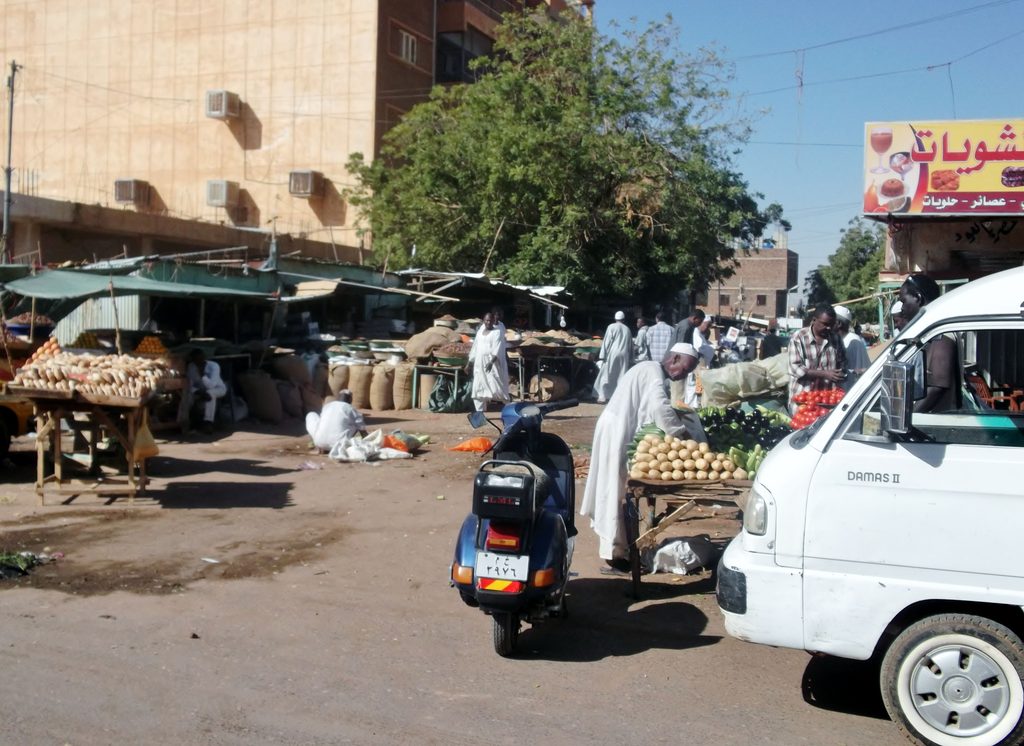
Food prices also rose. A 50-kilogram sack of sugar cost about 430,000 pounds, while a 25-kilogram sack of wheat flour sold for 201,000 pounds. A sack of onions reached 650,000 pounds and a sack of Gondeila dates fetched 750,000. A four-litre bottle of cooking oil cost about 335,000 pounds.
The weaker pound also pushed up local gold prices, said Mutasim Mohamed Saleh, secretary-general of the Gold Exporters Steering Committee. He told Sudan Tribune that gold traders use the parallel market exchange rate to set prices in Sudanese pounds.
At a meeting convened by the SAF government’s Advisory Board on Sunday, officials and economists called for more foreign currency to be made available through official channels as part of a broader economic stabilisation programme.
Abdulaziz Ali Karrar, the board’s secretary-general, urged the SAF government to keep spending in line with available resources and give priority to agriculture and industry. The panel also called for measures to restore confidence in banks and expand access to digital banking.