Sudanese teachers have condemned a decision to introduce military training in secondary schools in River Nile State, accusing education officials of militarising civilian institutions while neglecting a deepening crisis in the country’s education sector.
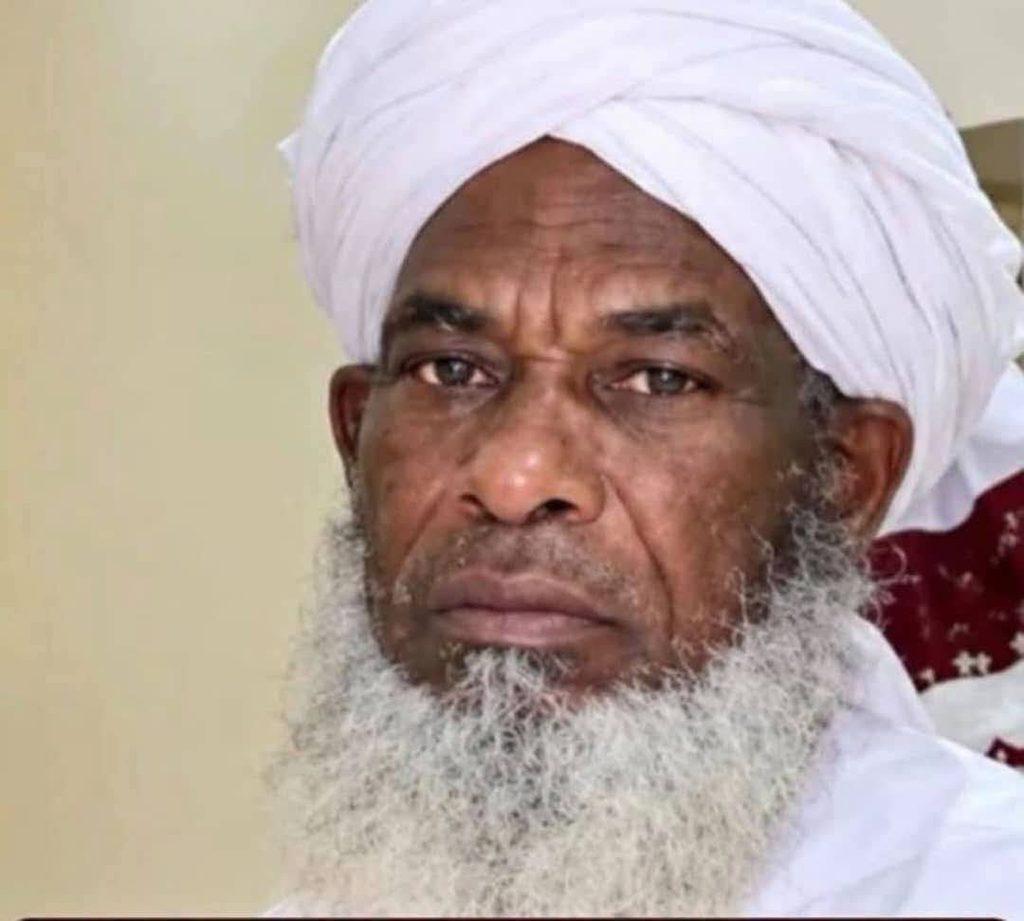
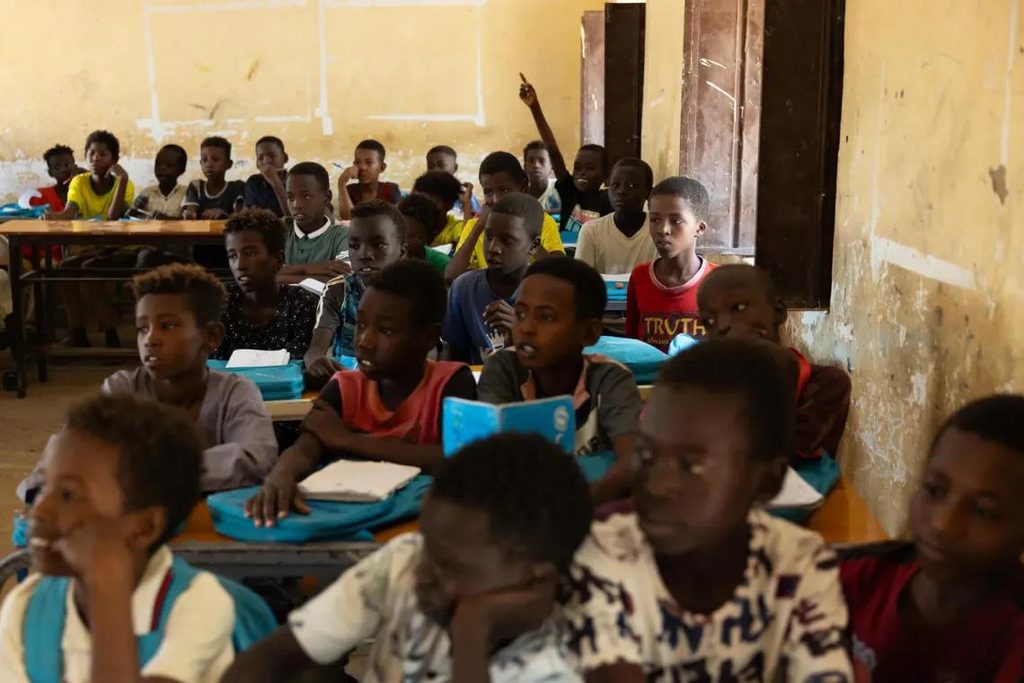
Ahmed Hamid Ahmed Yassin, the acting state education minister, issued an administrative directive instructing education departments to activate military cadet programmes in boys’ secondary schools across the state’s localities.
The programme requires students to undergo military drills, including marching, formation exercises, military salutes and disciplinary routines traditionally associated with military training.
Under the directive, retired non-commissioned military officers will supervise the exercises and be formally incorporated into school activity departments.
The Sudanese Teachers Committee announced its categorical rejection of the decision, arguing that educational institutions should serve as centres of learning and intellectual development rather than military barracks.
The committee warned that introducing military training for underage students constituted a violation of children’s rights and threatened to undermine the fundamental purpose of civilian education.
It also accused education officials of ignoring the economic and humanitarian conditions facing teachers, students and their families.
Sudan’s education system has suffered extensive disruption since war erupted between the Sudanese Armed Forces (SAF) and the Rapid Support Forces (RSF) in April 2023.
The destruction of infrastructure, displacement of families and interruption of public services have placed additional pressure on educational institutions, while teachers have struggled with salary arrears and the collapse of their purchasing power.
The committee questioned the decision to allocate administrative resources to military activities at a time when educators were struggling to meet basic living expenses.
It renewed demands for the minimum wage to be increased to 500,000 Sudanese pounds, citing soaring inflation and the deterioration of public services.
The committee also accused political forces associated with Sudan’s former regime of promoting military mobilisation as a means of advancing their political objectives.
It warned that extending military influence into civilian institutions risked weakening the civil service and undermining efforts to establish a state governed by civilian institutions and the rule of law.
River Nile State has remained outside much of the direct ground fighting that has devastated western and central Sudan, but the conflict has increasingly affected the functioning of public institutions.
The directive has raised questions about the distinction between military mobilisation and civilian education in SAF-controlled territory.
The available directive describes military exercises rather than weapons instruction or combat deployment.
It remains unclear whether participation will be compulsory or whether parents will be permitted to withdraw their children from the programme.