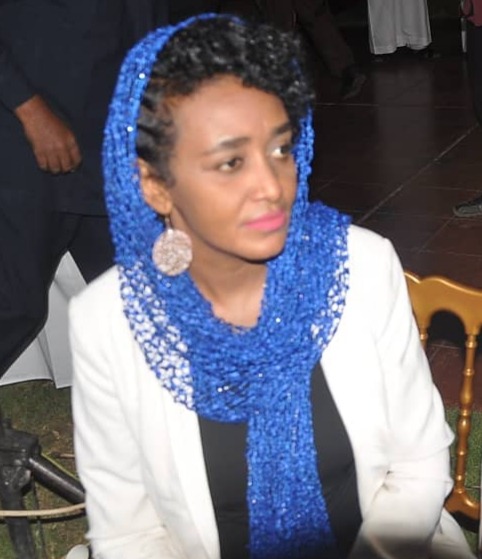
A Sudanese writer says the country is witnessing what she calls the final moments of the Islamists, as years of resentment and hostility towards the public surface in the open.
In an opinion piece carried by media, Safaa Al-Fahl argues that Islamist figures have revealed deep-seated anger towards Sudanese people for rejecting them during the revolution, resisting the coup that followed, and celebrating their recent designation as a global terrorist movement. According to the article, this steadfast public stance has pushed Islamist circles to search for new ways to punish society.
The writer says there is no precedent for political actors urging the international community to withhold food and aid from their own displaced and starving population, or calling on their authorities to block humanitarian assistance meant to save children, women and the elderly. At the same time, she writes, those same voices celebrate displacement and suffering, treating it as a pressure tool to force international backing for a return to military dictatorship.
She points to recent European humanitarian air operations aimed at delivering life-saving aid to Darfur, via Chad, after what was described as a catastrophic deterioration in conditions. The announcement reportedly triggered angry reactions in Islamist-aligned media, which called on SAF to block the aid as a means of intensifying hunger and pressure, while portraying civilian suffering as a military gain.
Al-Fahl argues that such rhetoric reflects fear of any democratic transition that could strip these groups of their social and material influence. She says their continued campaigning now amounts to political noise after the fact, as understandings around a truce have already been reached, even if not formally declared, and Sudan has effectively been opened to international humanitarian assistance.
The article concludes that the space for fuelling war and leveraging suffering is rapidly shrinking, urging those clinging to the conflict to abandon allegiance to military power and join a broader national path before it is too late.
Marking the anniversary of Sudan’s revolution, the writer says the uprising uprooted Islamist rule and remains alive in the struggle for a new Sudan, stressing that glory belongs to peaceful resistance, not the gun, and honouring those killed in the fight for change.