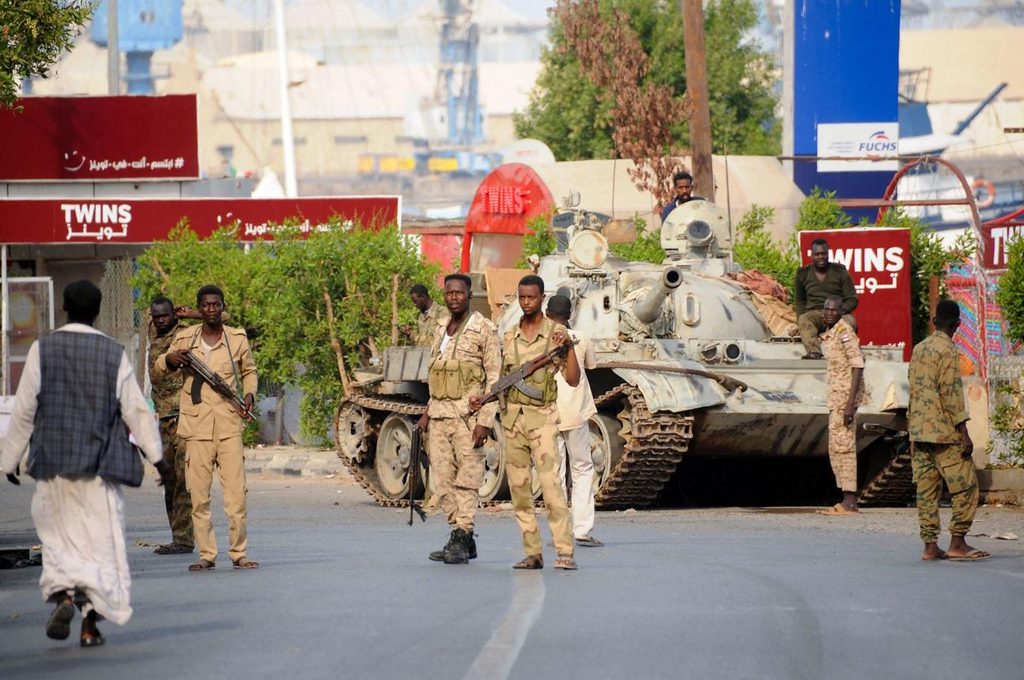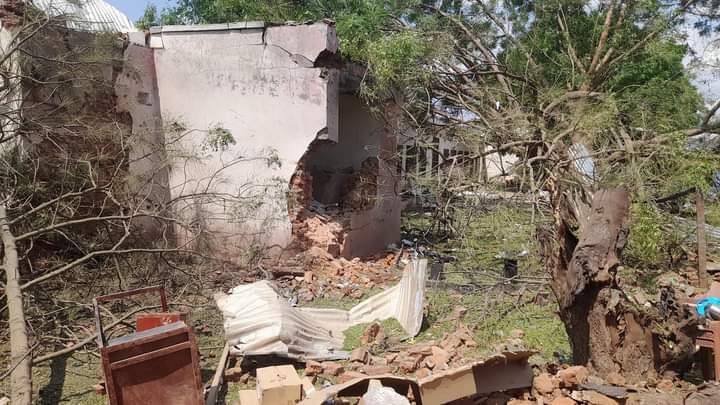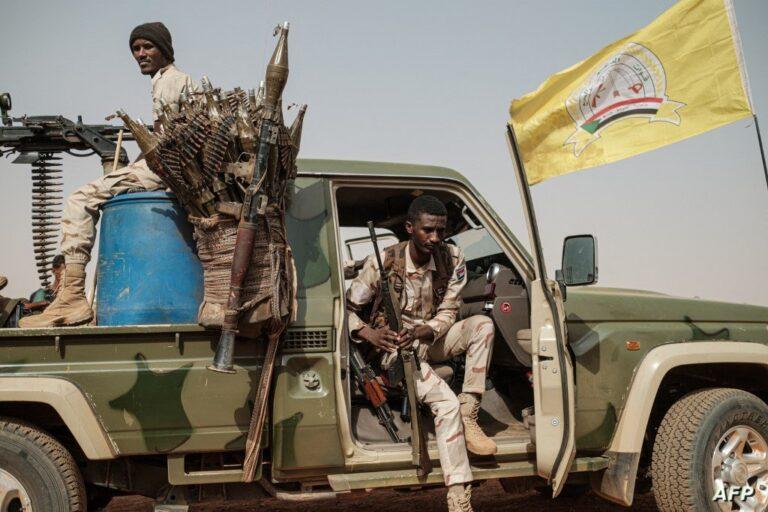
The Sudan Founding Alliance (TASIS) is continuing its advance in the Blue Nile region, moving closer to the regional capital Damazin after claiming control of several strategic locations, including Geissan, Kurmuk, Bakori and Sarkam.
The gains could mark a significant shift in Sudan’s battlefield dynamics because of Blue Nile’s military importance, its borders with Ethiopia and South Sudan, and its position along routes connecting the Horn of Africa with central Sudan.
Analysts say an advance towards Damazin would give TASIS more than a battlefield victory, potentially strengthening its political leverage and allowing its forces to expand operations towards White Nile and Kordofan while improving supply and movement corridors.
Strategic and military importance
Political analyst Ehab Madbou said TASIS’s capture of strategic territory represented an important military and geopolitical development, particularly because the contested areas had been among the remaining strongholds of forces aligned with the Port Sudan authorities.
Madbou told Erem News that TASIS forces were now approaching Damazin, a city of considerable political and military importance.
Control of the city, he said, would expand the alliance’s influence across Blue Nile and could open operational routes towards White Nile State and the strategic city of Kosti.
Such a development could also allow the Rapid Support Forces (RSF), a leading component of TASIS, to reposition around Sennar and Singa and potentially expand towards Gezira and White Nile states, he added.
Political leverage and water resources
Madbou said control of Damazin would provide TASIS with an important bargaining card in any future political negotiations.
Blue Nile is also home to the Roseires Dam, one of Sudan’s most important water and electricity facilities. Its strategic significance extends beyond the battlefield because the Blue Nile forms part of the wider regional dispute over Nile water involving Ethiopia, Sudan and Egypt.
Madbou argued that control over the region could allow TASIS to influence future political and economic arrangements, comparing the potential shift with the new balance created by the RSF’s earlier takeover of the Heglig oil-producing area.
TASIS claims further battlefield gains
The RSF recently announced that it had seized Bakori, while TASIS forces in what the alliance calls the Blue Nile–New Funj region said they had captured the strategic Sarkam and Bakori military bases.
The alliance has also reported gains over the past two weeks across several fronts in Darfur and Kordofan, including Rahad al-Nuba, Jabra al-Sheikh, Greikh, Um Sayala, Bara, Um Baru and Tina.
The claims indicate that TASIS is attempting to maintain pressure across several distant fronts, stretching the forces aligned with army chief Abdel Fattah al-Burhan and the Port Sudan authorities. However, many battlefield claims remain difficult to verify independently because of restricted access and disrupted communications.
Pressure builds around Damazin
Political science professor Yacoub al-Nourain said TASIS’s reported capture of Geissan, Agadi and Kurmuk, followed by its advance towards Damazin, had increased pressure on the army and its allied forces in Blue Nile.
He said control of the region would give the alliance direct access to the borders with Ethiopia and South Sudan while improving movement between Blue Nile and the Kordofan region.
Al-Nourain argued that the latest gains had dispersed Port Sudan-aligned forces and weakened their ability to respond simultaneously to offensives in Blue Nile, White Nile and Kordofan.
TASIS has reportedly deployed forces and heavy equipment towards Damazin after advancing through areas close to the city. The alliance has also targeted army positions around the regional capital with artillery fire.
Reports that senior officials and allied commanders have left Damazin could not be independently confirmed. Nevertheless, the latest advances suggest that the struggle for the city may become a decisive phase in the battle for control of southeastern Sudan.