Sudan’s Government of Peace and Unity held its second cabinet meeting in El Fasher, North Darfur, to discuss worsening food shortages, diplomatic engagement with the United Nations and efforts to restore essential services in war-affected areas.
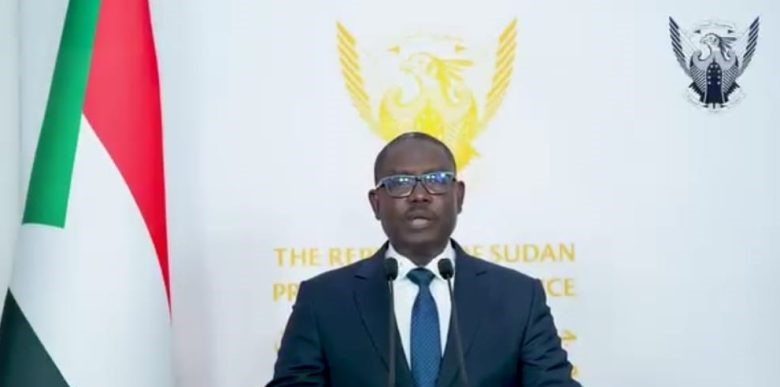
The meeting, chaired by Prime Minister Mohamed Hassan al-Taishi on October 28, brought together cabinet ministers to review humanitarian challenges and the administration’s recovery priorities, according to government spokesperson Khalid Ahmed Danaa.
In remarks reported on Saturday, Danaa said the cabinet examined plans to address the risk of food shortages across territories administered by the Sudan Founding Alliance (TASIS).
Ministers also reviewed the outcomes of their previous cabinet session and received a briefing from the foreign minister on his meeting with the UN secretary-general’s personal envoy for Sudan.
The discussions covered international diplomatic efforts and developments surrounding attempts to resolve Sudan’s prolonged conflict.
El Fasher reconstruction
Danaa said the cabinet reaffirmed its commitment to restoring stability and rebuilding essential infrastructure in El Fasher, which suffered extensive destruction during years of fighting.
The meeting coincided with the first anniversary of the Rapid Support Forces’ capture of the North Darfur capital from Sudan’s military in October 2025.
The spokesperson described the decision to convene the cabinet in El Fasher as symbolically significant, reflecting the administration’s commitment to restoring civilian life in territories under its control.
Al-Taishi opened the session by paying tribute to those killed during Sudan’s conflicts and expressing hopes for the recovery of people wounded in the fighting.
The cabinet also praised what it described as recent military advances by TASIS forces in Blue Nile, Kordofan and the Tina area.
Those battlefield claims have not been independently verified.
Danaa said ministers reaffirmed their support for TASIS forces operating against Sudan’s military and armed groups aligned with the Port Sudan authorities.
Humanitarian priorities
The cabinet discussions came amid mounting concerns over food insecurity and deteriorating humanitarian conditions across Sudan.
Years of conflict have disrupted agricultural production, damaged infrastructure and displaced millions of civilians, leaving communities increasingly dependent on humanitarian assistance.
The TASIS administration has identified food security, healthcare, education and the restoration of basic public services as priorities in territories under its authority.
Recent initiatives have included the voluntary return of displaced families to El Fasher and programmes intended to expand access to medical treatment.
However, insecurity, damaged infrastructure and shortages of humanitarian resources continue to complicate recovery efforts.
Danaa said the government would continue working to address the consequences of the war and improve living conditions in El Fasher and other affected communities.
The cabinet did not announce specific funding commitments or a timetable for implementing the food-security measures discussed during the meeting.
Further cabinet sessions are expected to address outstanding government business and additional policy priorities.
The Government of Peace and Unity was established by TASIS in 2025 and is headquartered in Nyala, South Darfur.
The alliance includes the Rapid Support Forces, the Sudan People’s Liberation Movement-North and several political and armed organisations advocating a decentralised system of government.