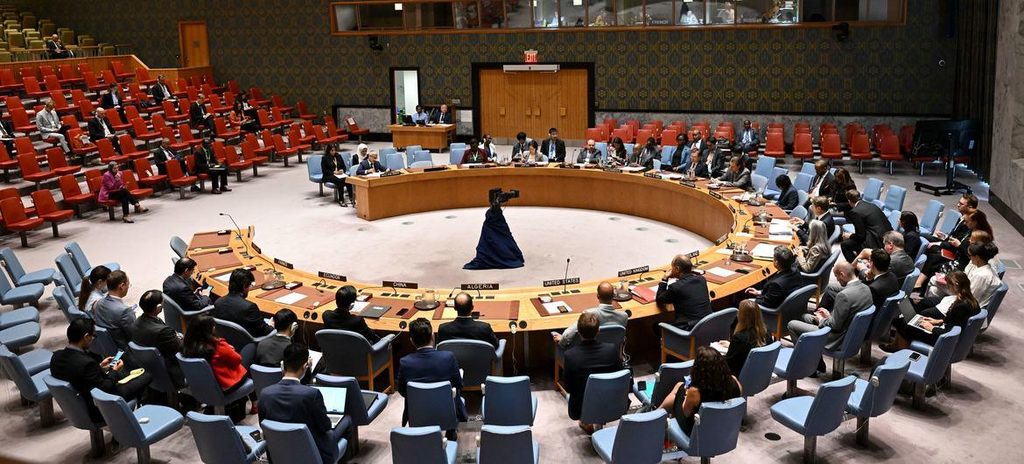
A senior leader of Sudan’s TASIS alliance has ruled out the imminent deployment of international forces in the country, saying competing geopolitical and economic interests are obstructing decisive action despite a worsening humanitarian catastrophe.
Mohamed Ismat Yahya, chairman of the Unified Unionist Party and a leading member of TASIS, told Erem News on Tuesday that the absence of a unified international position made foreign military intervention unlikely.
He said growing American and European pressure to end the war and halt weapons supplies had coincided with the declining influence of the African Union and the inability of international institutions to take decisive action.
Yahya argued that international responses remained largely limited to condemnations, sanctions and calls for civilian protection, measures he said had failed to curb the determination of Muslim Brotherhood-linked forces to pursue a military victory.
He described the international response as disproportionate to the scale of destruction and human suffering unfolding across Sudan.
Yahya said appeals by Amnesty International and other human rights organisations were unlikely to result in the deployment of international troops, although such intervention remained possible in principle.
He pointed to previous instances of international involvement in Sudan, including humanitarian assistance during the famine of the 1980s and sanctions imposed during the 1990s over terrorism-related allegations.
International mediation also helped secure the 2005 peace agreement between the Sudan People’s Liberation Movement and the government of former President Omar al-Bashir.
Yahya blamed Bashir’s Islamist regime for failing to create conditions conducive to national unity, ultimately contributing to South Sudan’s independence in 2011.
He said international involvement continued through UN Security Council resolutions following atrocities in Darfur, the Nuba Mountains and Blue Nile.
Despite growing Western engagement, Yahya said the African Union’s influence was diminishing while the UN Human Rights Council’s fact-finding mission remained unable to access Khartoum.
He argued that competing interests among international powers and countries backing Sudan’s warring parties continued to undermine efforts to confront the Muslim Brotherhood-linked forces supporting the SAF government.
Such divisions, he said, made meaningful international intervention increasingly unlikely despite mounting civilian suffering.