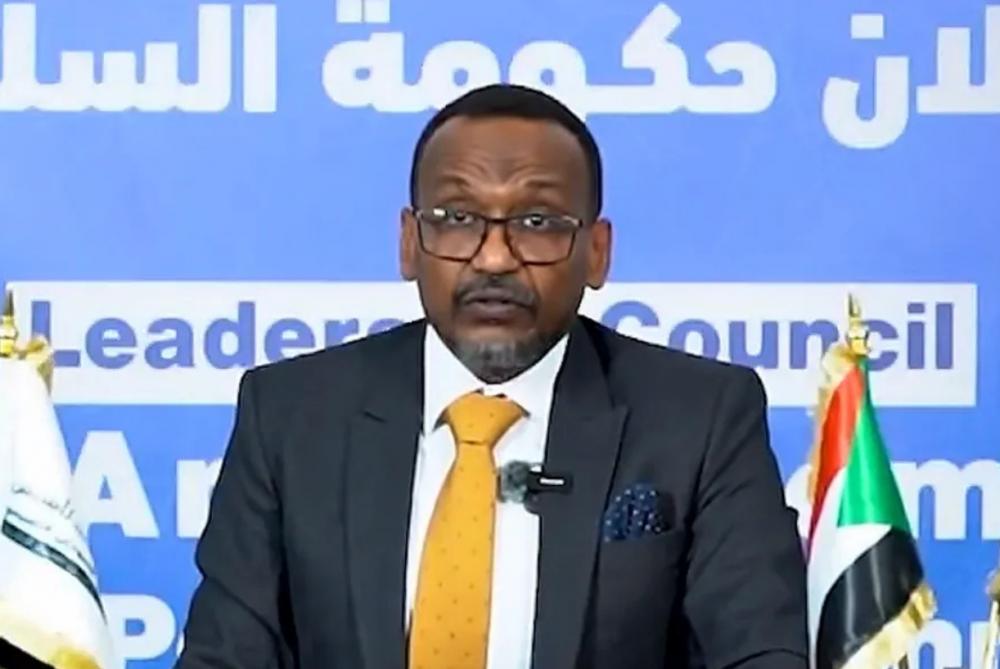
The health minister of Sudan’s TASIS-led transitional government, Alaa al-Din Naqd, has accused the Port Sudan authorities and allied Islamist groups of spreading disinformation to divert public attention from the country’s worsening humanitarian crisis and growing famine threat.
In an interview with Erem News, Naqd said coordinated misinformation campaigns, including false reports of his arrest, were being used to undermine opposition to army chief Abdel Fattah al-Burhan and obscure the deteriorating conditions facing millions of Sudanese civilians.
He alleged that networks operating alongside the Port Sudan authorities, which he described as “black rooms”, were systematically circulating rumours to distract from growing protests in Sudan and Europe against Burhan and the Muslim Brotherhood.
Naqd said the misinformation campaign was intended to conceal public opposition to the military leadership and its Islamist allies.
The minister also warned that drought, declining rainfall and continued fighting were pushing communities across Darfur and Kordofan towards catastrophic food insecurity.
He accused the Port Sudan authorities and allied Islamist brigades of targeting humanitarian convoys and obstructing relief deliveries through the Adré border crossing with Chad, a vital route for assistance to conflict-affected communities. The allegations could not be independently verified.
His warnings come as the Integrated Food Security Phase Classification (IPC) reported on October 12 that conflict, displacement, severe drought and humanitarian funding shortages were increasing the risk of famine across Greater Darfur and Greater Kordofan.
Earlier IPC assessments estimated that approximately 19.5 million people in Sudan were experiencing crisis-level food insecurity or worse, highlighting the scale of the country’s humanitarian emergency.
Naqd argued that the absence of meaningful international pressure on Islamist factions and their allied military formations would further aggravate the crisis, particularly in South Darfur, where malnutrition has reached alarming levels.
He called for stronger international intervention to secure a humanitarian ceasefire, protect relief operations and guarantee unrestricted access for aid organisations.
The minister warned that continued fighting, restrictions on humanitarian assistance and disinformation campaigns were prolonging civilian suffering and undermining efforts to prevent famine.
He urged the international community to move beyond statements of concern and take concrete steps to protect civilians and ensure humanitarian assistance reaches populations most at risk.