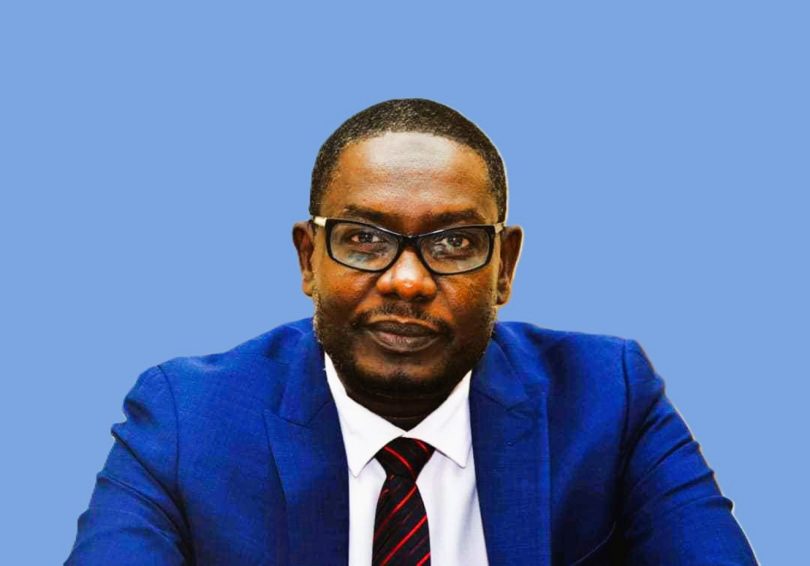
Sudan Founding Government Prime Minister Mohamed Hassan El Taishi used an Independence Day address on Wednesday to argue that Sudan’s war cannot be stopped through “partial” arrangements or elite bargains, calling instead for a political settlement that confronts the conflict’s historical roots.
In remarks circulated in a recorded speech, Taishi said narrow security approaches and closed-door understandings have repeatedly failed because they leave intact the underlying structure of the Sudanese state and the interests that benefit from its dysfunction.
He portrayed the current conflict as the outcome of long-running imbalances in identity, citizenship, and the distribution of power and wealth, arguing that Sudan’s post-1956 state model produced chronic crisis and exclusion.
A new social contract and structural reform
A core pillar of Taishi’s address was the articulation of a new political project anchored in:
- A true decentralised system of governance that fairly redistributes power and wealth across all Sudanese regions and communities.
- A fresh social contract and a civil, democratic constitution that reflects Sudan’s diverse social and cultural landscape rather than inherited exclusionary models.
- A unified national army and a professional security apparatus under civilian oversight.
- A national economy driven by equitable development, not fragmented patronage or unaccountable elites.
Taishi said his government should be seen as one of historical transition, not merely crisis management, and stressed that this approach demands courage to confront deep-seated structural imbalances.
Taishi also accused political forces he described as opportunistic and populist of fueling war to restore an old order, saying they profited from decades of distorted governance and now resist any transition based on justice and equal citizenship.
Laying out what he called the foundations of a new national project, Taishi pointed to full citizenship without discrimination, genuine decentralisation, and a new social contract anchored in a civil democratic constitution, alongside accountability and an end to impunity.
The address, published in Arabic media recaps and widely shared online, comes amid continued fighting and competing political claims over legitimacy and the shape of any future settlement.