The Islamist movement in Sudan is not a political current that was unjustly excluded, nor a force that “returned” to protect the state in a moment of danger. It is the source of Sudan’s collapse, its chief architect, and the hand that lit the fire, only to step back and scream that the blaze is a conspiracy.
Everything began with deception. Since the 30 June 1989 coup, lies became the foundation of power. The Islamists lied to the people, to the army, and to history. They claimed to reject politics, yet ruled for three decades through entrenchment rather than competence, loyalty rather than law. Under the slogan of the “public interest”, people were purged from their jobs, the public became private, the state became the property of an organisation, and institutions were hollowed out.
They built ghost houses and tortured Sudanese citizens in the heart of the capital. These are not the stories of opponents, but testimonies of survivors. They raised the banner of religion while electricity cables and whips became their language toward anyone who dared to say no. They ignited the war in the south under the banner of jihad, sacrificed young men, and ended with a secession that tore the country apart.
When it came to Darfur, they armed militias and opened the gates to killing, rape, and burning. These are documented crimes, with known figures and internationally wanted suspects. This is the record of a state, not “individual mistakes”.
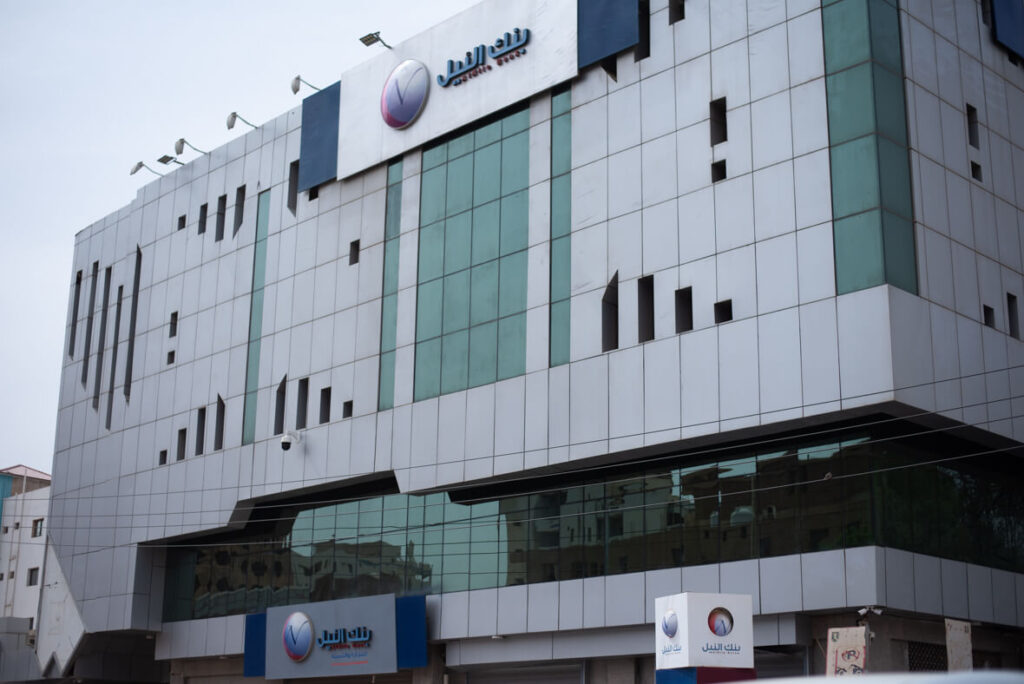
Economically, it was organised plunder. Oil without benefit, gold without accountability, land handed out, banks used for laundering. The Gezira Scheme was destroyed, the currency collapsed, and people grew poorer, while Islamist leaders accumulated vast wealth. No state was built, only a network of interests.
Then came December, and the fall. There was no apology, no admission, no withdrawal. Instead, they repositioned. Today, in the midst of war, their deception is more exposed than ever.
They falsify the narrative day and night, turning perpetrators into “protectors” and concealing their role in politicising the SAF and dismantling the state. They hide behind the army, as if they were not the first to weaken it through patronage, purges, and ideological control. Once again, they trade in religion, invoking ready-made labels such as “sedition”, “apostates”, and “enemies of the nation” to silence questions and grant themselves false immunity.
They manufacture imaginary enemies: revolutionaries, civilians, resistance committees, journalists. Anyone who asks how Sudan arrived at this catastrophe is branded a traitor. They deny their historical responsibility and speak as if they are an innocent opposition, as though thirty years never happened, and as though the coup never took place.
They exploit civilian suffering rhetorically, while they themselves built a state without institutions capable of protecting civilians in the first place. This is not a defence of the homeland, it is an escape from accountability.
What they are doing now is neither repentance nor self-criticism. It is the recycling of the same lie in a far bloodier context. They are betting on fear and short memory. But facts cannot be erased by propaganda.
The brutal conclusion is clear:
Those who stole the state have no right to claim they are protecting it.
Those who distorted religion cannot preach morality.
Those who ignited wars cannot be believed when they speak of peace.
The Islamist movement is not part of the solution, it is the root of the crisis. Any future for Sudan that avoids reckoning and real justice is merely the continuation of the lie, not its end.
Sudanese people did not rise up in vain.
History does not forget.
And this war, no matter how much they try to obscure it, has exposed them once again.