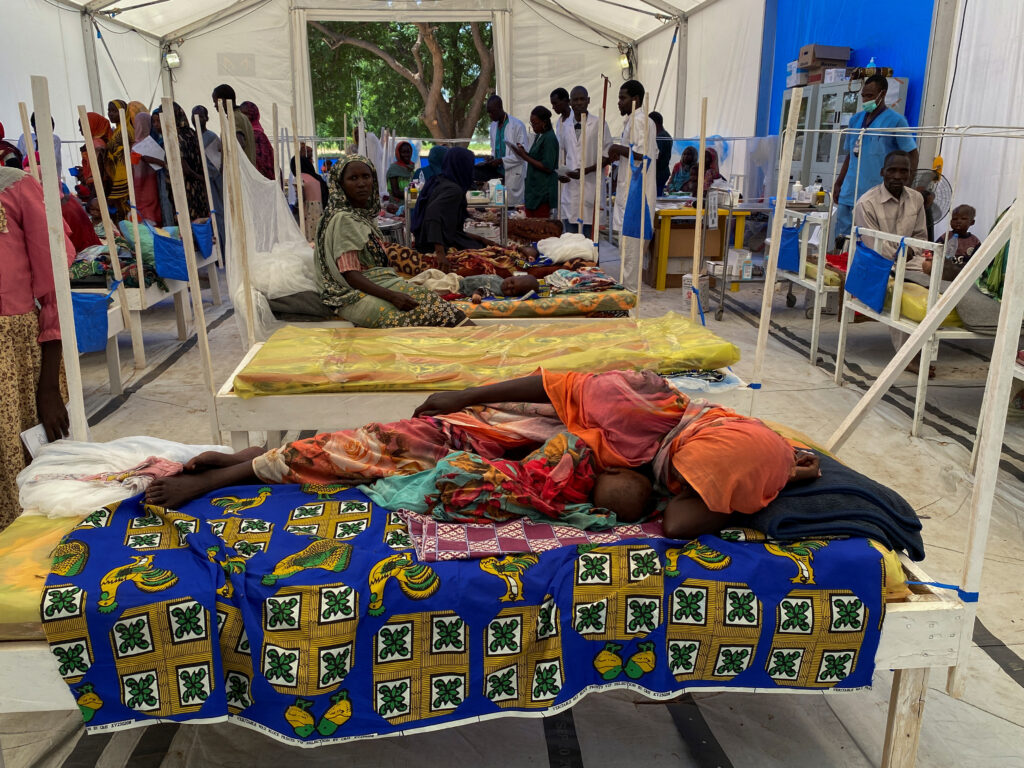
The United Nations Displacement Tracking Matrix reported that Blue Nile State now hosts 28,020 internally displaced persons, up 18% since March 25.
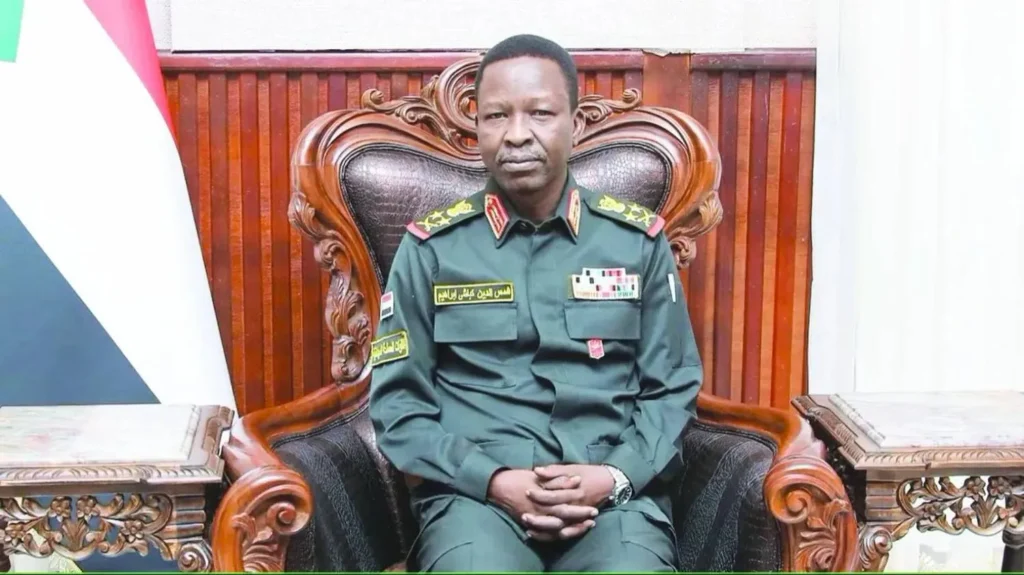
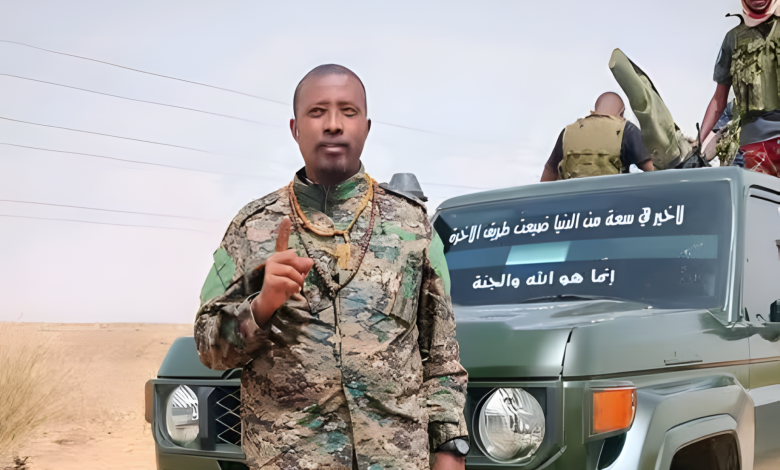
The surge follows clashes between the General Abdel Fattah al Burhan’s army, Rapid Support Forces and SPLM-North, which ended with alliance forces seizing control of Kurmuk.
Most displacement came from Baw, home to 13,130 uprooted residents, followed by Kurmuk with 10,310, and Qaysan with 4,580 people fleeing violence.
Displaced families have settled across six localities, with Damazin receiving 12,895 people, the largest concentration in the state to date.
Baw accommodated 9,940 displaced residents, Al-Rusayris 3,290, and Qaysan 1,405, while Al-Tadamun and Wad Al-Mahi hosted 200 and 290 individuals respectively.
The majority, 87%, sought refuge in informal gathering points, while 9% stayed in schools or public buildings, and 5% with local families.
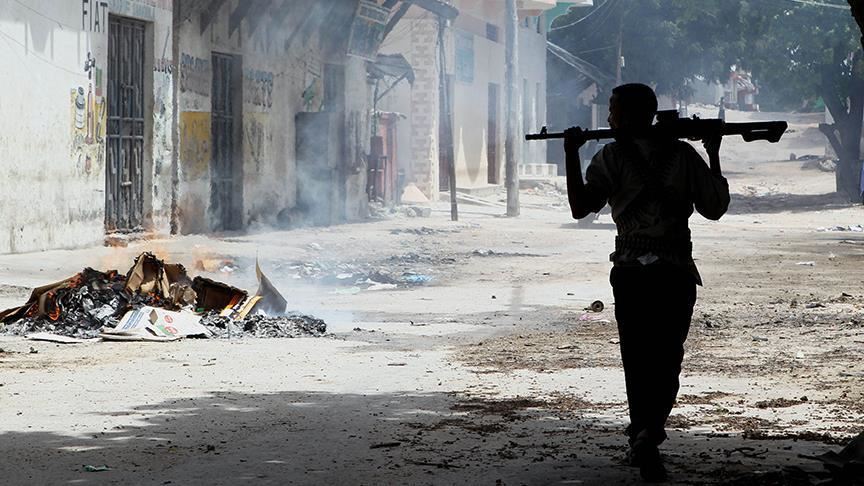
The matrix warned that rising displacement reflects a deteriorating security situation, with tensions likely to trigger further population movements in coming weeks.
Officials emphasized ongoing monitoring of the ground situation, issuing early warnings amid the widening clashes between armed parties across Sudan.
The situation underscores the fragile stability of Blue Nile State, where fear and uncertainty continue to drive families from their homes.
Humanitarian agencies are urged to respond swiftly, as growing displacement adds pressure to already strained resources and local hosting capacities.