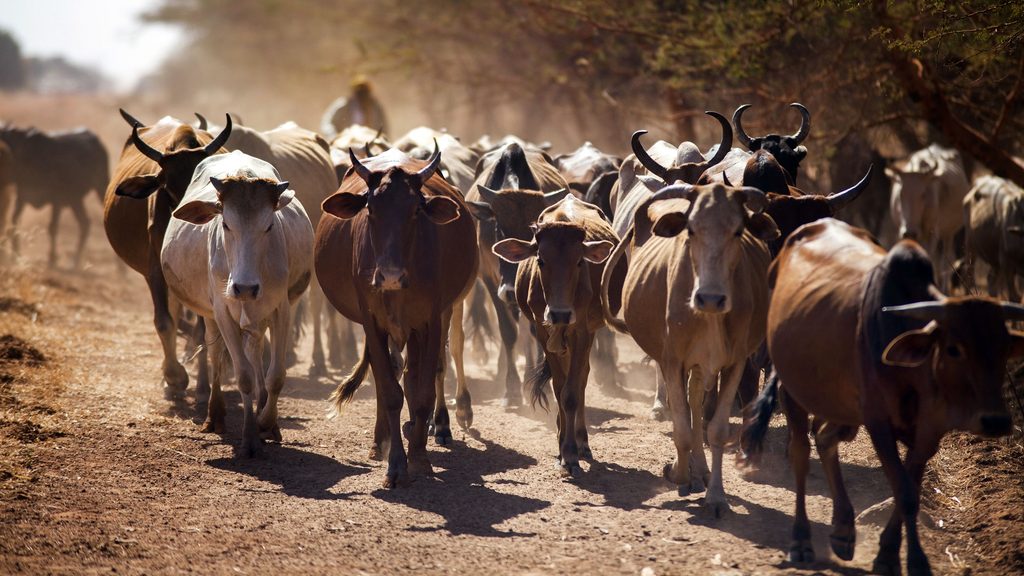
Thousands of cattle have been stranded along Sudan’s border with the Central African Republic (CAR) after armed local groups reportedly blocked traditional grazing routes, raising concerns over livestock losses and renewed tensions between communities on both sides of the frontier.
The animals have gathered in the Goz Saslago area, north of Um Dafuq in South Darfur, where Sudanese pastoralists have been unable to complete their annual migration into neighbouring CAR in search of water and grazing land.
Herders told local Sudanese media on Friday that large numbers of Baggara pastoralists had assembled near the border at the beginning of the seasonal movement but were prevented from entering Central African territory.
Community sources said the restrictions were imposed by armed residents of Am Dafock on the Central African side, rather than through an official government decision to close the international border.
The reported blockade follows accusations by some Central African residents that Sudanese nationals had assisted Seleka-linked rebel groups involved in recent attacks against Am Dafock.
Those allegations have not been independently verified, and there is no evidence establishing that the stranded herders participated in the attacks.
Rebel violence fuels border tensions
The latest restrictions come amid months of instability along the Sudan-CAR frontier, where armed movements and disputes between pastoral and farming communities have repeatedly disrupted trade and seasonal migration.
On June 30, armed groups affiliated with Central African rebel factions attacked Am Dafock, prompting condemnation from the United Nations peacekeeping mission, MINUSCA.
The mission identified fighters affiliated with the Popular Front for the Renaissance of the Central African Republic (FPRC), the Democratic Movement for the Rally of the Central African People (MDRPC) and other unidentified armed elements as participants in the attack.
Gunfire also targeted a UN peacekeeping base, injuring three Zambian peacekeepers.
The violence intensified hostility among border communities, with local residents accusing armed groups of using Sudanese territory to stage attacks.
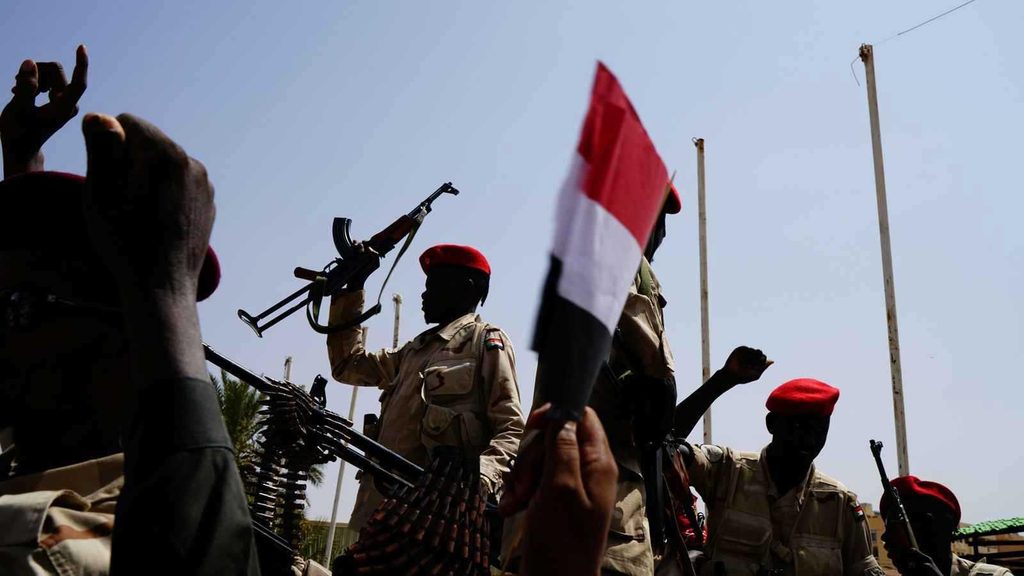
In September, the Rapid Support Forces (RSF), which control much of Sudan’s western border region, reportedly prevented Central African opposition fighters from entering Sudanese territory to launch another attack.
Security sources cited by local Sudanese media said RSF units reinforced their positions after rebel fighters moved towards the frontier and entered the Sudanese settlement of Al-Qubba.
The fighters were reportedly ordered to withdraw, preventing the planned cross-border operation.
Despite that intervention, tensions have continued to affect civilian movement and access to grazing routes.
Livestock sector faces growing pressure
The restrictions threaten a livestock sector already struggling with the consequences of Sudan’s war, disrupted veterinary services and shortages of essential supplies.
Veterinary sources reported in September that animal health services in Um Dafuq had nearly collapsed since the outbreak of fighting in April 2023.
According to those accounts, between 40 and 50 cattle were dying each week in the locality amid disease outbreaks and the suspension of regular vaccination campaigns.
Livestock owners also reported difficulty obtaining veterinary treatment, while traders expressed concerns over the possible spread of animal diseases through cross-border movements.
The latest concentration of cattle around Goz Saslago could add to those pressures, particularly if limited water supplies and grazing land are exhausted.
Traditional livestock migration between Sudan and CAR has continued for decades, making access to cross-border pastures essential to many pastoral households.
Previous reconciliation initiatives involving Sudanese and Central African tribal leaders have sought to regulate livestock movements, settle compensation disputes and prevent further violence.
However, repeated attacks and the presence of armed groups have undermined those arrangements, leaving seasonal grazing routes vulnerable to renewed restrictions.
Herders stranded near Um Dafuq have called on traditional community leaders and authorities controlling the frontier to intervene and reopen established livestock corridors.
They warned that continued restrictions could result in animal deaths and severe economic losses for families dependent on cattle breeding and cross-border trade.