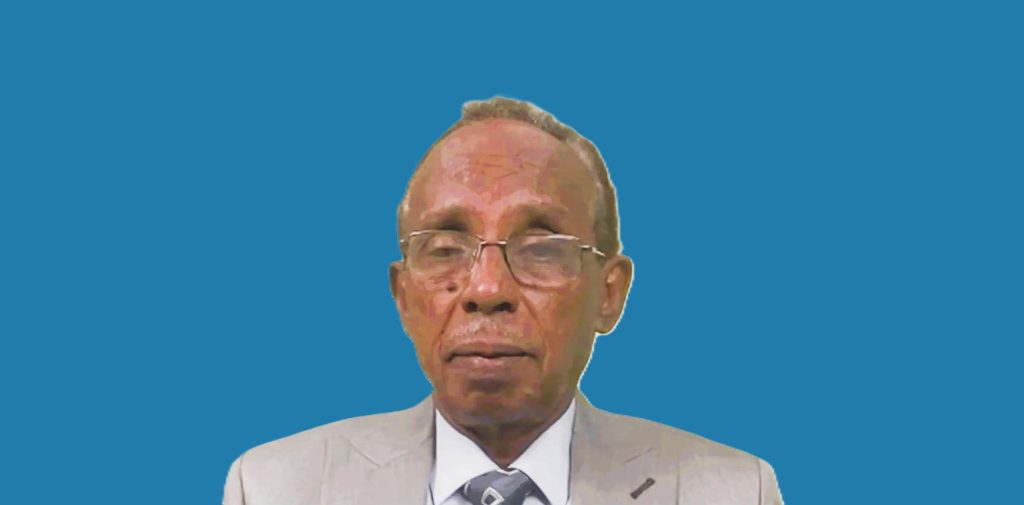
Sudanese journalist Osman Mirghani said in a televised interview monitored by Sudan News that IGAD and the African Union’s decision to pause the Djibouti consultations between the SAF and the Rapid Support Forces (RSF) indefinitely reflects a recurring pattern in Sudan’s crisis. He argued that much of the political paralysis stems from the unwillingness of the Sudanese Armed Forces to accept political coexistence, at a time when the urgent priority should be stopping the war. Mirghani stressed that this is not the first time negotiations collapse, noting that similar talks called for last October failed due to the refusal of some parties, primarily SAF-aligned actors, to engage openly.
Mirghani said the current political landscape is shaped by three main blocs: political forces inside Sudan that back the SAF, political groups abroad such as the “Silence” and “Foundation” platforms that support the RSF, and the parallel administration established in Nyala. He argued that these three forces form the backbone of Sudan’s political reality, and that the real challenge is building a framework that brings them onto a single platform to end the war, a task made difficult by the SAF’s persistent reluctance to embrace a shared political vision.
He explained that Sudan’s crisis continues on three parallel tracks: the military and security track, the humanitarian track, and the political track. The political actors, particularly those sympathetic to the RSF, operate mainly on the third track, which remains detached from the battlefield yet directly influences political outcomes. Mirghani noted that the Quartet’s initiative originally called for a ceasefire between the military factions, but this step has not been achieved due to continued SAF resistance, leaving political initiatives without tangible results.
Mirghani also addressed Russia’s role, arguing that Moscow has no meaningful capacity to influence the end of the conflict. He said Russia is not part of any serious regional or international initiative, and that its involvement is limited to previous contacts with both sides, whether through Wagner’s earlier cooperation with the RSF or via older military links with SAF through third-party arms. He emphasised that Russia sits outside the core political process and lacks the leverage needed to shape outcomes.
He stressed that the Quartet, led by the US, is the only actor with real leverage over the warring sides. Washington has shown flexibility in engaging with all parties, including RSF-aligned groups, yet has not succeeded in ending the war now in its third year. Mirghani said the main obstacle remains the absence of genuine political will among Sudanese parties, especially within SAF, despite the fact that the recent tripartite agreement between Sudan’s government, South Sudan, and the RSF to secure oil facilities in Heglig was reached quickly and without dispute.
Mirghani concluded that the spirit of cooperation shown in the Heglig agreement did not extend to other areas, where SAF’s political rigidity continues to stall broader peace efforts. He said that if true political will existed, Sudanese actors themselves could end the war without international intervention, yet this remains out of reach due to the SAF’s insistence on maintaining unilateral control.