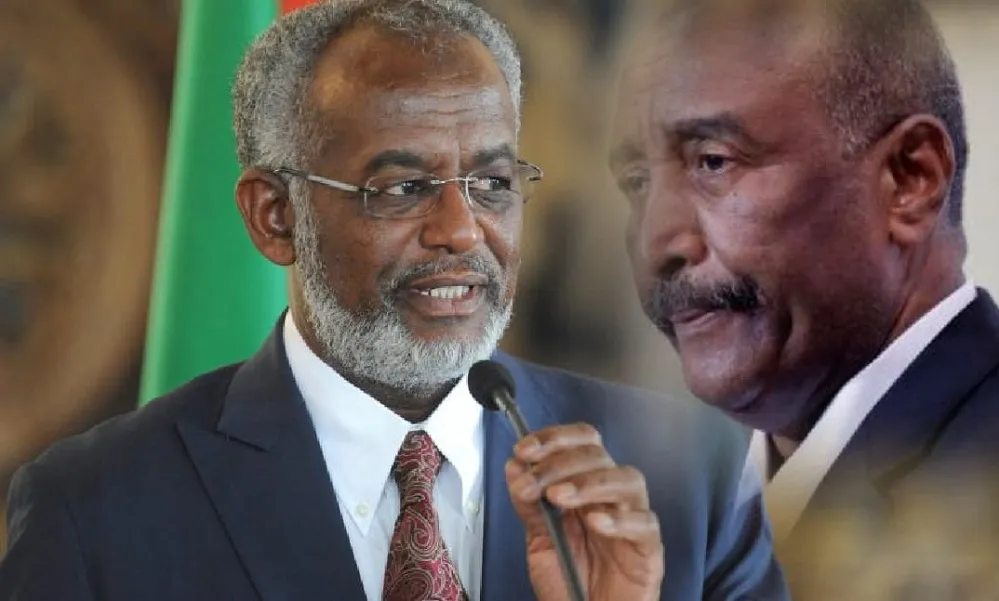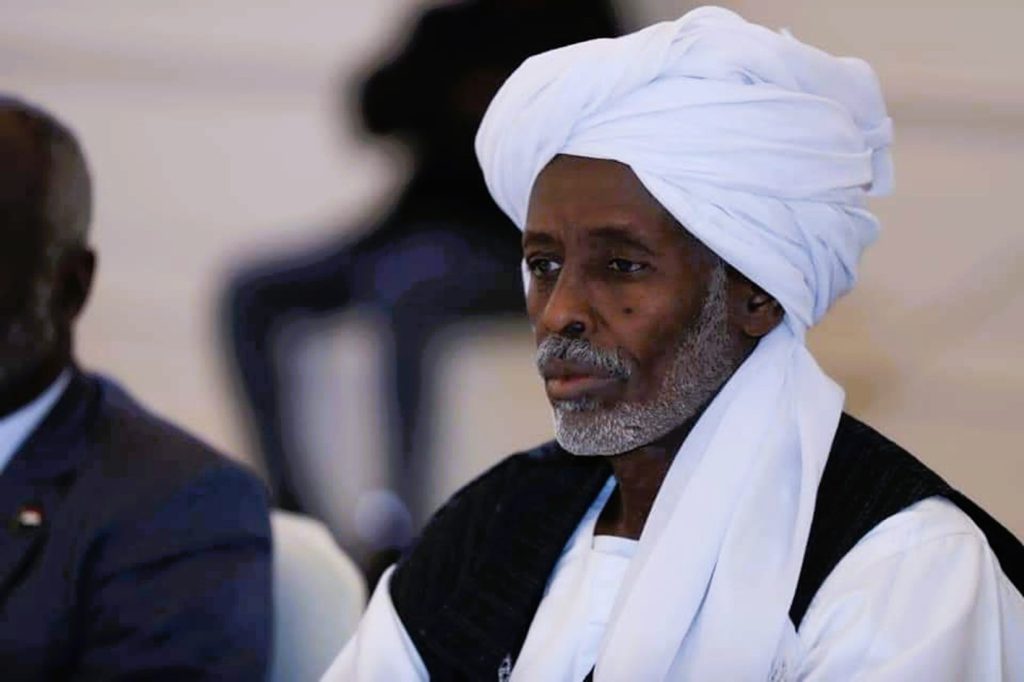
Mohamed Amin Turk, the Beja tribal leader, said he and his followers would “die for local causes and for Islam”, adding that he is, in his words, “a believer in God, His angels and all pillars of faith”. He stressed he would never abandon Islam, even if accused of being “a Brotherhood supporter”. He described himself as “a soldier of Islam”, calling on what he termed “the cheerleaders” to convey his message to US president Donald Trump.
Turk said Trump was elected by the people and understands public demands, adding that any US intervention in support of a side that does not reflect the will of Sudanese communities would be met with popular mobilisation. He also argued that Sudanese people had given their mandate to General Abdel Fattah al Burhan, claiming this mandate is no less legitimate than Trump’s election because both men, he said, were chosen by their people.
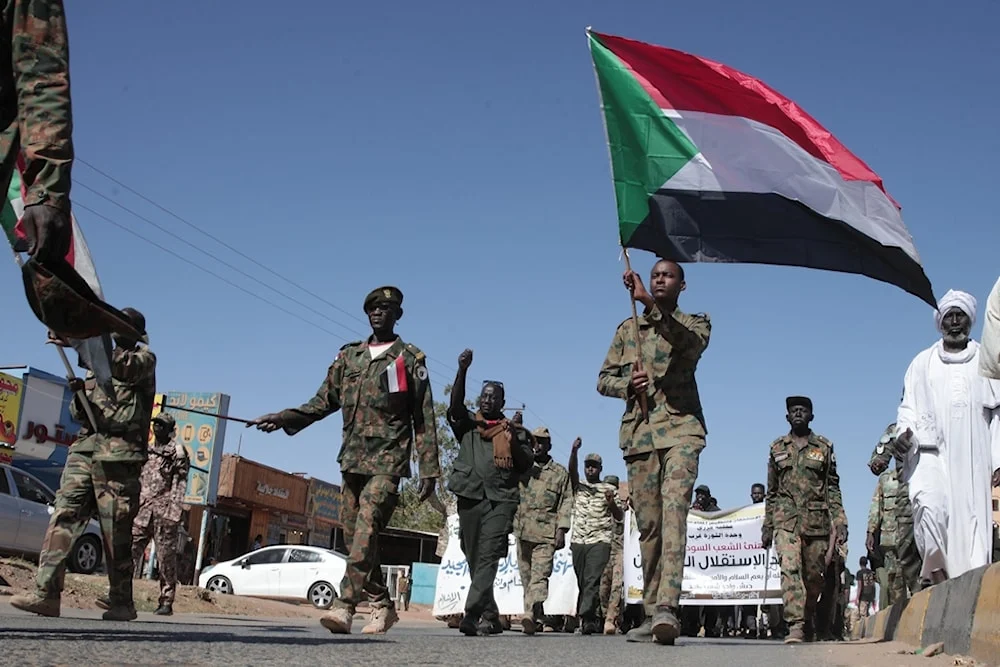
He called for respecting General al-Burhan’s army (SAF), saying it must be regarded as a national institution. “Sometimes you accuse the SAF of Islamists and kizan and so on, but the SAF must be respected,” he said. Turk urged the US president to take steps to recognise the SAF as the force responsible for protecting the country and its constitution, to define the rebellion as a rebellion, and to halt Emirati support and block the flow of foreign fighters he claims are aiding the Rapid Support Forces.
Turk also stressed that Sudanese people do not accept foreign dictates. He said Sudan has a long, well known history of resisting colonialism, dating back to the Funj era. He explained that he travelled to Russia for medical treatment as he had also done in Jordan and other places, funded by his supporters, and he thanked the SAF for previously sending him to Jordan for treatment at Alia Hospital in Omdurman before the war began.
He denied accusations that he travelled to Russia to advocate for a Russian naval base on the Red Sea, insisting his visit was strictly for medical reasons. He said the claims were baseless and that his trip had nothing to do with military or political arrangements.
Days earlier, Turk had issued explicit threats to the United States, saying he would pressure Sudan’s authorities to allow Russia to establish a naval base in Sudan aimed at countering the US. He warned that any continued US pressure would be met with wide popular mobilisation, including demonstrations pushing the government to allow Russian access to the Red Sea coast. His statements came after his return from Moscow, amid growing debate over Port Sudan’s talks with Russia about a possible naval base, a move opposed by Washington and regional states.
In 2021, Turk played a key role in weakening the civilian government led by Prime Minister Abdalla Hamdok, paving the way for a later coup. He oversaw popular groups that blocked Port Sudan and the main road linking the city to the rest of the country, disrupting the flow of goods, medicine and essential supplies. These actions boosted his influence in eastern Sudan and cemented his standing as a central figure in the region’s political crises.
The United States has presented a plan to halt the war in coordination with its Quad partners, the UAE, Saudi Arabia and Egypt. The proposal calls for a three month truce, followed by a permanent ceasefire and a political process aimed at ending the crisis that has gripped Sudan since April 2023 and triggered an unprecedented humanitarian disaster.
Despite the significant losses of SAF and the Rapid Support Forces’ control over Darfur and advances in Kordofan after taking the strategic towns of Babnousa and Heglig, the SAF’s Islamist allies continue insisting on prolonging the war. The conflict has killed more than 150,000 people and displaced around 15 million from their homes, alongside economic losses worth hundreds of billions of dollars.
Observers say the prolonging of the war is closely tied to the ambitions of the SAF leadership and its Brotherhood aligned allies to remain in power. They fear that any serious peace process would lead to security sector reforms and new obligations that could weaken their political, economic and military grip. These concerns make the continuation of the war, for them, a way to maintain influence within Sudan’s shifting landscape.