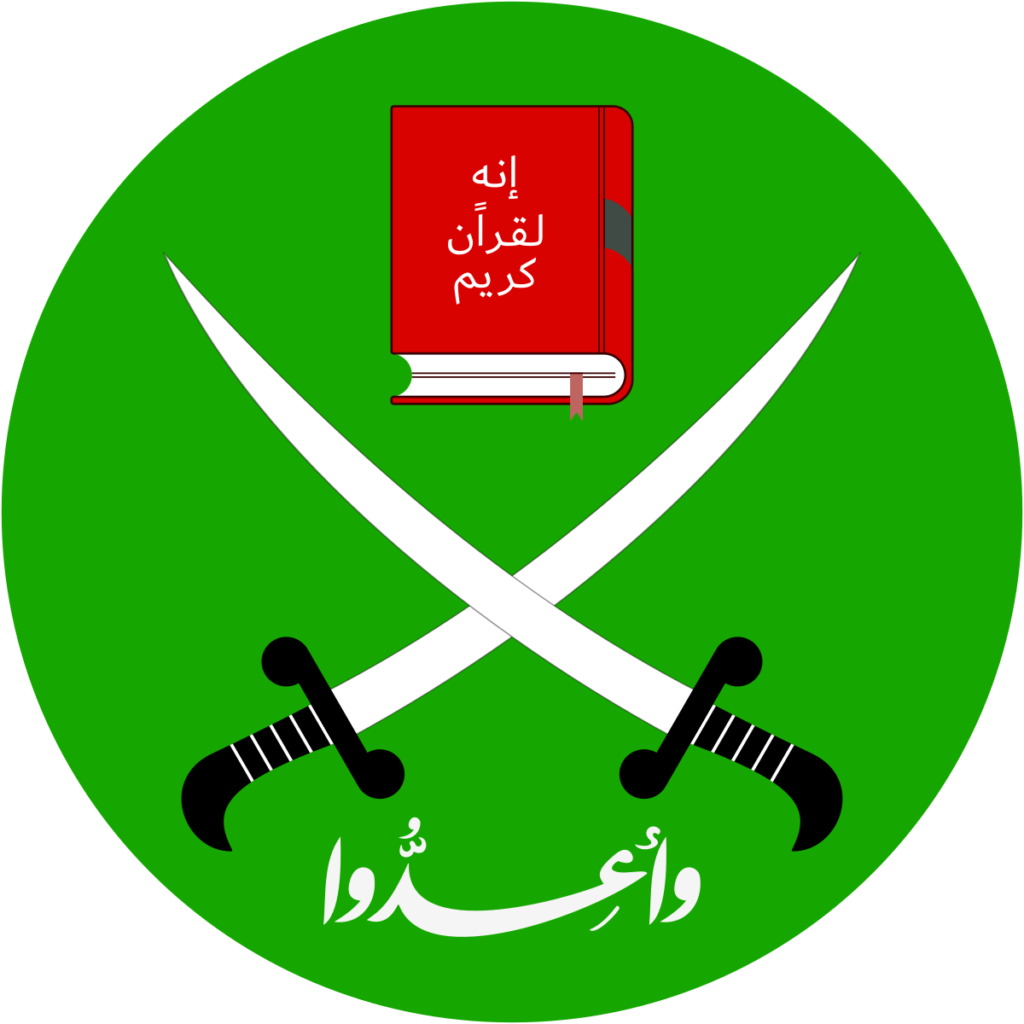
A decision by US President Donald Trump to designate the Muslim Brotherhood, including Sudan’s Islamic Movement, as a terrorist organisation has triggered intense debate inside Sudan and across the region. Analysts warn the move could reshape both the political landscape and the fragile social fabric of the country.
The order, issued through an executive directive, instructs Secretary of State Marco Rubio and Treasury Secretary Scott Bessent to begin classifying several Brotherhood branches as foreign terrorist organisations, with a focus on its networks in Lebanon, Egypt, Tunisia and Jordan. The administration has asked for a full report within 45 days, and for the designations to proceed afterwards.
Domestic and international reactions
Before the move became official, Texas Governor Greg Abbott pre-emptively labelled the Muslim Brotherhood and the Council on American Islamic Relations as terrorist and transnational criminal groups. The step blocks the organisations from owning property in Texas, and grants the attorney general powers to shut their operations.
Across Europe, major cities such as Vienna, Prague, London, Paris, Berlin, Brussels, as well as cities in Switzerland, the Netherlands and Ireland, witnessed demonstrations calling for similar designations and sanctions targeting the Brotherhood’s financial networks.
Sudan’s position
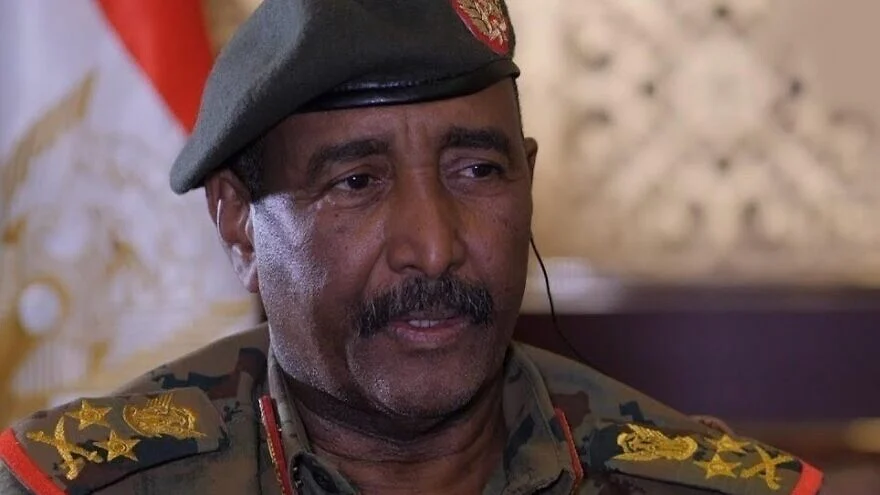
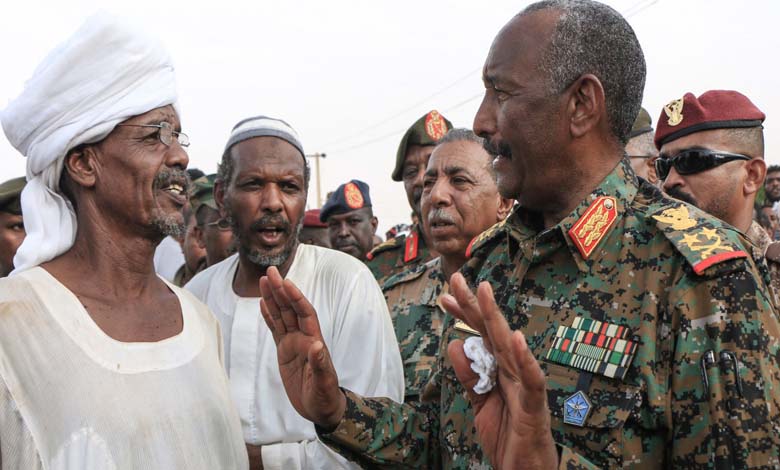
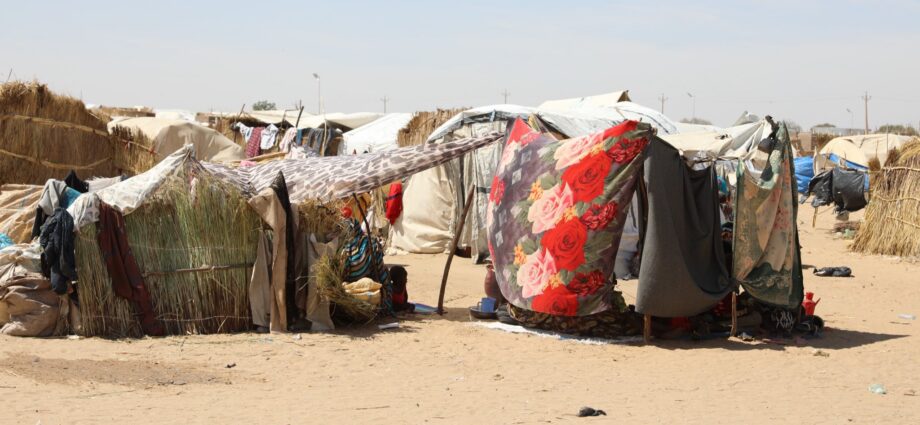
In Sudan, political blocs including the Samud alliance led by Abdalla Hamdok and the Ta’sis alliance led by Mohamed Hamdan Dagalo “Hemedti”, have urged the designation of Sudan’s Islamic Movement as a terrorist entity, arguing that it helped ignite the war that erupted in April 2023. Critics say the classification could complicate the conflict further, as the movement fights alongside the General al-Burhan’s army (SAF) against the Rapid Support Forces in a war entering its fourth year, and described by the UN as the world’s largest humanitarian catastrophe.
Views from Sudanese thinkers
Sudanese scholar and political figure Dr Al-Nur Hamad argued that the US decision was long overdue, noting that Saudi Arabia, the UAE and Jordan designated the group years ago. He described the Brotherhood as a multi-headed organisation that destabilises governments across the Arab and Muslim world, and said its history is intertwined with political violence.
Hamad also noted that the Brotherhood had been used by US and Saudi intelligence during the Cold War and the Soviet invasion of Afghanistan, but this support later backfired, contributing to attacks on US and Saudi interests, including the Khobar bombings and the September attacks in New York. He described the movement as “octopus-like”, masking itself in charities while pursuing political power through force.
Political consequences
Journalist and analyst Maher Abu al-Joukh said the decision has already passed the first hurdle in the US Congress, and is expected to move through easily with Republican backing. He argued that the impact on Sudan will be significant, pointing to the Quartet, Egypt, the UAE, Saudi Arabia and the US, which already treat the Brotherhood as a terrorist group, and last September called for removing the dissolved Islamist party and other extremist groups from Sudan’s future.
He added that the US move effectively blocks any attempt by the former ruling party to re-enter politics.
Risk of escalation
However, Islamic-movements specialist Mohamed Mirghani warned that the designation could escalate the conflict, as the Sudanese Islamic Movement may see itself under existential threat and intensify its resistance. He said the group’s leadership will not compromise without guarantees that their interests and senior figures will not face prosecution, stressing that the only sustainable solution lies in an inclusive political dialogue.
Regional and international dimension
Reports circulated that Turkey had begun restricting Sudanese Islamists following the US decision, but Hamad said there was no confirmed evidence. Meanwhile, the US has tasked the CIA with monitoring flows of weapons, money and gold exports into Sudan in an attempt to cut funding to the warring parties.
Abu al-Joukh noted that the US designation remains a national measure that does not automatically apply internationally without agreements or UN Security Council action. He said Turkey’s response will ultimately depend on its relationships with countries affected by the Brotherhood, adding that Ankara may scale back the group’s activities under pressure but has yet to show signs of shifting its position.