The United Nations has condemned a wave of deadly drone attacks across Sudan, warning that escalating aerial warfare is killing civilians, including children, damaging essential infrastructure and placing humanitarian workers at increasing risk.
Speaking in New York on Monday, UN spokesperson Stéphane Dujarric expressed alarm over attacks reported in Khartoum, Darfur and Kordofan, where dozens of civilians have been killed or injured in recent days.
Drone strikes hit several locations in the capital Khartoum on October 19, including areas surrounding the international airport. At least one civilian was initially reported killed, while the attacks disrupted aviation operations and forced the cancellation of several flights.
The latest violence followed a deadly weekend during which at least 19 people, including 10 children, were reportedly killed in drone attacks across West Darfur, South Darfur and North Kordofan.
Dujarric condemned the strikes and reiterated that all parties involved in Sudan’s conflict must comply with international humanitarian law, particularly provisions protecting civilians, medical facilities and humanitarian personnel.
Humanitarian workers increasingly at risk
The UN also expressed concern over mounting casualties among humanitarian workers, following the death of a Sudanese Red Crescent volunteer in Blue Nile state last week.
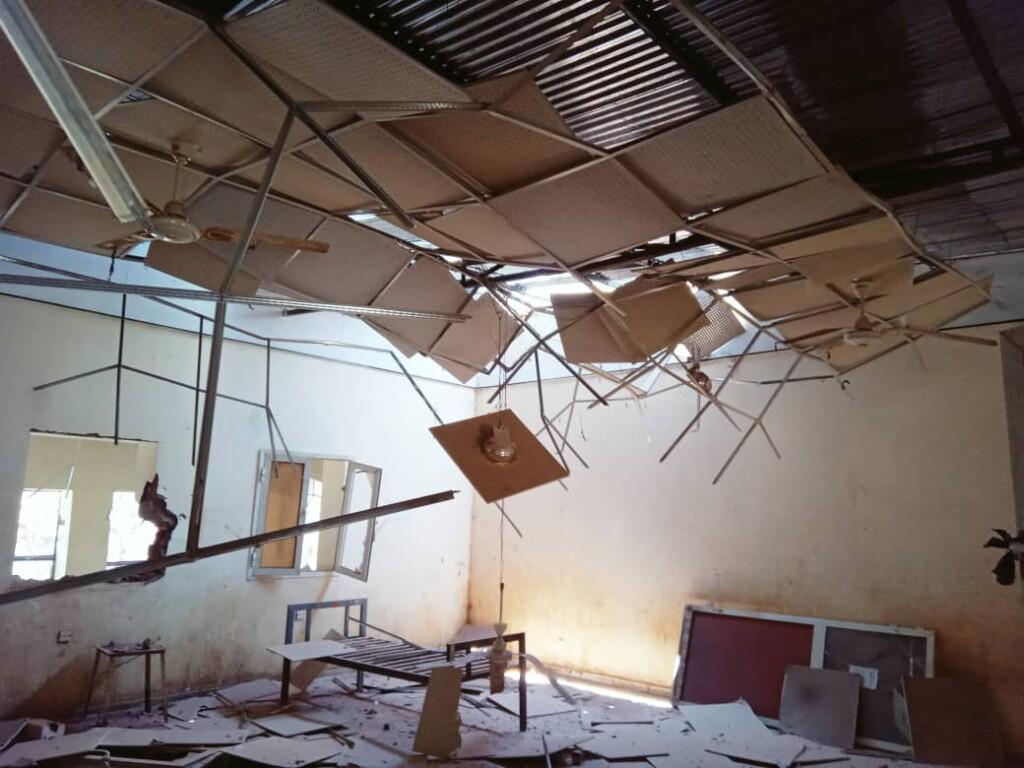
The volunteer was reportedly providing emergency medical assistance at a health facility in Um Darfa when a drone attack struck the location.
According to the United Nations, at least 25 Sudanese Red Crescent volunteers have been killed while performing humanitarian duties since the war erupted in April 2023.
Dujarric described attacks against people risking their lives to assist vulnerable communities as particularly appalling.
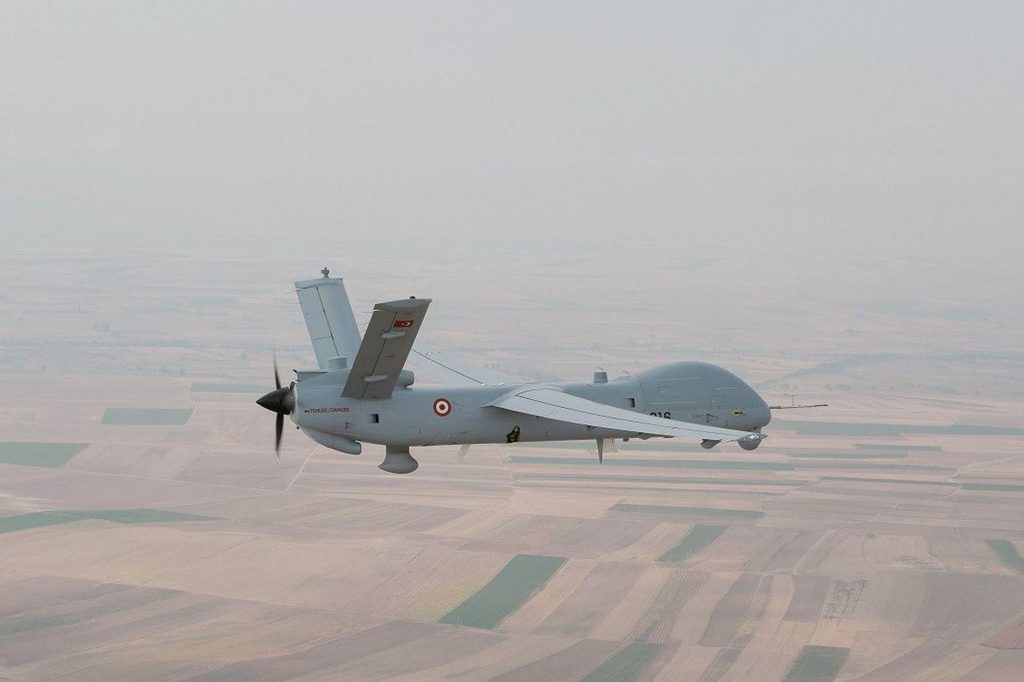
The growing use of armed drones by Sudan’s warring forces has intensified concerns over civilian protection, with residential neighbourhoods, markets, healthcare facilities and other essential infrastructure increasingly exposed to aerial attacks.
Aid operations continue despite violence
Despite worsening security conditions, UN agencies and humanitarian organisations continue working to deliver assistance to communities affected by the conflict.
In Central Darfur, humanitarian partners recently restored a water facility in Zalingei, providing approximately 2,500 residents with access to safe drinking water.
More than 2,000 families across several communities have also received water, sanitation and hygiene assistance.
However, the UN warned that severe funding shortages threaten its ability to sustain critical relief operations.
Sudan’s humanitarian response plan remains only slightly more than 43 percent funded, with approximately $1.25 billion received against the $2.9 billion required for 2026.
The funding gap comes as millions of Sudanese face acute food insecurity, displacement and deteriorating access to healthcare following more than three years of war.
The United Nations renewed its appeal for greater international assistance and stressed that civilians and humanitarian personnel must be protected as drone warfare continues to spread across the country.