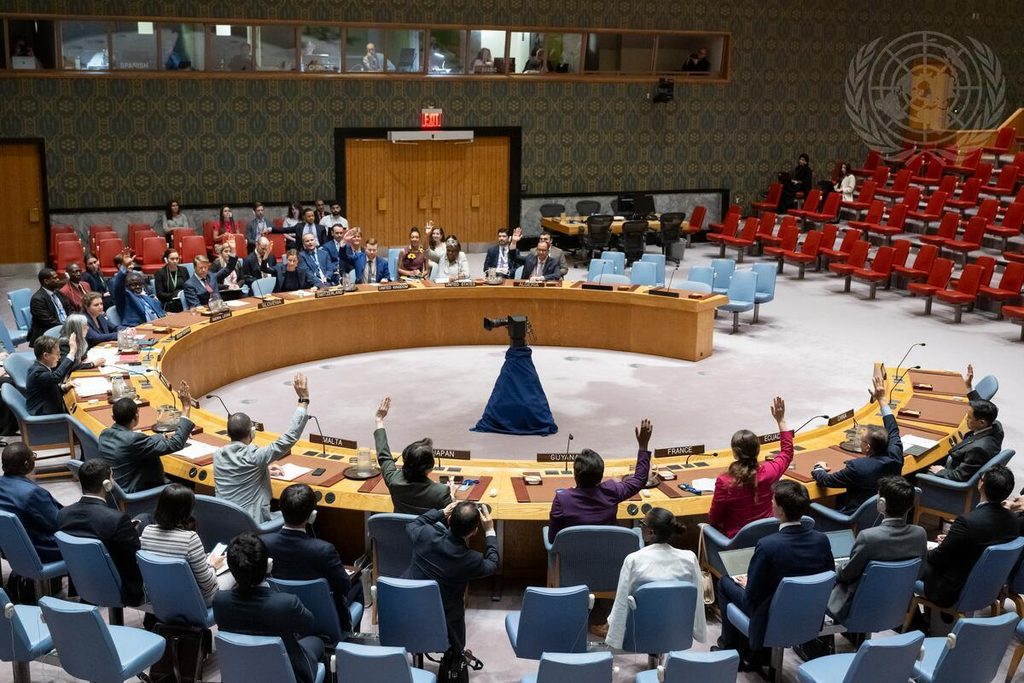
The United Nations Security Council unanimously extended sanctions on Sudan for another two months on Thursday after divisions among major powers prevented Washington from securing a nationwide arms embargo.
The decision keeps existing restrictions in place until December 11, leaving the measures largely confined to Darfur despite the war spreading across multiple regions of Sudan.
The United States had sought to expand the embargo to cover the entire country, targeting weapons shipments to the warring parties and restricting the supply of drones and dual-use technologies.
However, opposition from Russia, China and several other council members prevented agreement on the proposed expansion, forcing Washington to pursue another temporary extension.
The 15-member council instead adopted a technical rollover, maintaining the existing sanctions framework while allowing further negotiations over possible changes.
The latest decision follows a similar one-month extension approved on September 11, underscoring the continuing divisions over how the international community should respond to the conflict.
Under Resolution 1591, introduced in 2005, the Security Council imposed restrictions on arms transfers to parties fighting in Darfur, alongside targeted travel bans and asset freezes.
Those measures have remained geographically limited even as Sudan’s conflict has expanded into Kordofan, Blue Nile and other parts of the country.
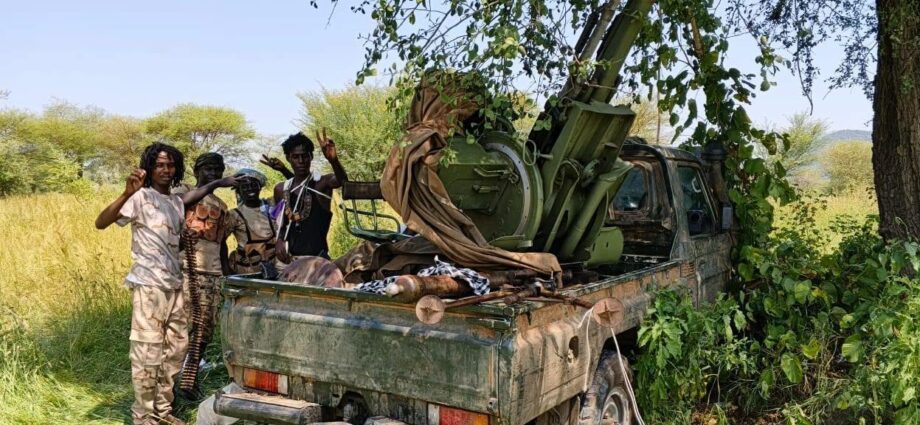
Washington and several European council members argue that the existing framework no longer reflects the scale of the war or the growing use of advanced weapons systems.
Russia and China, however, have resisted expanding the embargo, with Moscow opposing broader restrictions and Beijing warning that additional sanctions could complicate diplomatic efforts and aggravate Sudan’s humanitarian crisis.
The council also extended the mandate of the UN Panel of Experts overseeing implementation of the sanctions until January 11, 2027.
The panel is responsible for investigating sanctions violations, tracing financial support to armed groups and examining attacks against civilians.
The resolution reaffirmed that Sudan’s conflict continues to threaten international peace and regional security.
Thursday’s agreement prevents the existing sanctions from expiring but leaves unresolved the central dispute over extending international weapons restrictions beyond Darfur.
With negotiations set to continue, the Security Council faces another deadline in December to decide whether to strengthen the existing framework or maintain the restrictions in their current form.