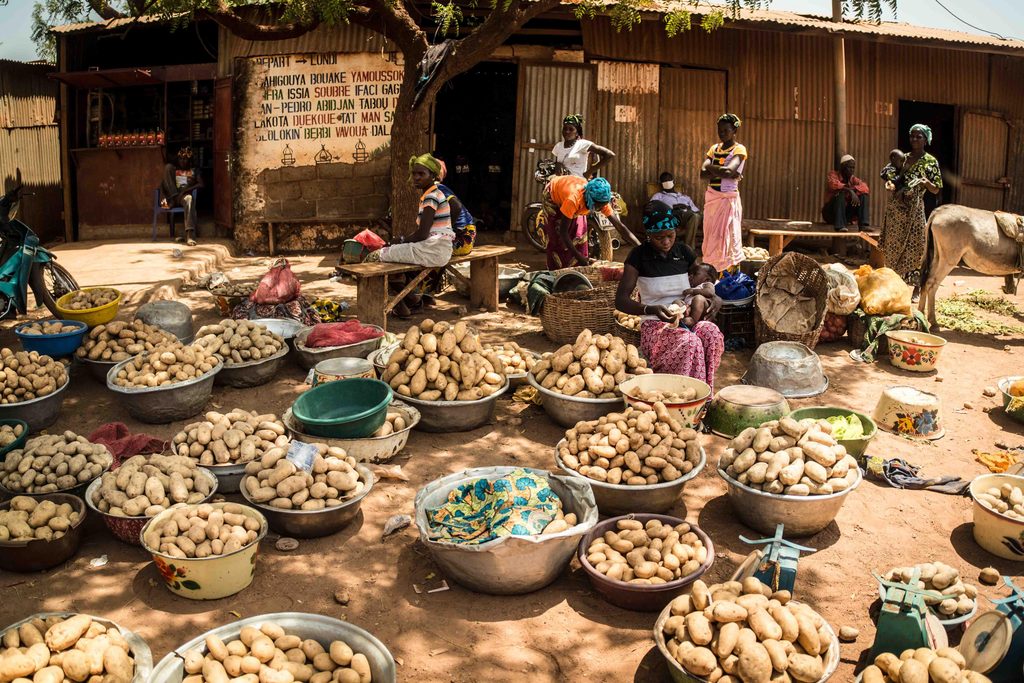
The Misseriya and Ngok Dinka communities have agreed to reopen the Al Naam border market under United Nations protection, ending a closure of more than two weeks following deadly violence that disrupted a vital trade route between Sudan and South Sudan.
The agreement was reached on Monday during a meeting of the two communities’ peace committees at a UN military base in Todaj village, according to local Sudanese media.
The deal provides for the immediate reopening of the market to traders and civilians, with security entrusted to the United Nations Interim Security Force for Abyei (UNISFA), community police and young people from both communities.
Under the agreement, unauthorised armed groups will be barred from entering the market, while military vehicles and weapons are to be withdrawn from the area from October 10.
UN peacekeepers will also monitor the market’s entrances and exits to prevent weapons from being brought inside.
The agreement, obtained by local Sudanese media, commits both communities to maintaining peaceful coexistence and preventing further violence that could threaten commercial activity.
It was signed by Hamdeen Abdel Hamid Jalhat, head of the Misseriya community peace committee, and Melit Ajak Ajeng, who heads the Ngok Dinka committee.
The deal follows deadly clashes at the market on September 15 that left 40 people reportedly dead and more than 100 injured, according to an updated UN account published on September 26.
UNISFA subsequently reinforced its troop presence and increased patrols around the market while holding talks with traditional leaders from both communities to prevent further bloodshed.
The closure of Al Naam, also known as Amiet Common Market, disrupted one of the most important commercial corridors linking South Sudan with Darfur and Kordofan.
Since the outbreak of Sudan’s war in April 2023, the market has become a vital route for food, fuel, medicines and other essential supplies entering western Sudan from South Sudan.
Its closure also affected residents who depend on the market for basic commodities and traders transporting goods across the border.
Local sources previously reported sharp increases in fuel prices in East Darfur following the violence and disruption of trade.
The reopening agreement is intended to restore commercial activity and reduce tensions between the two communities, although the resumption of trading under the new arrangements has not yet been independently confirmed.