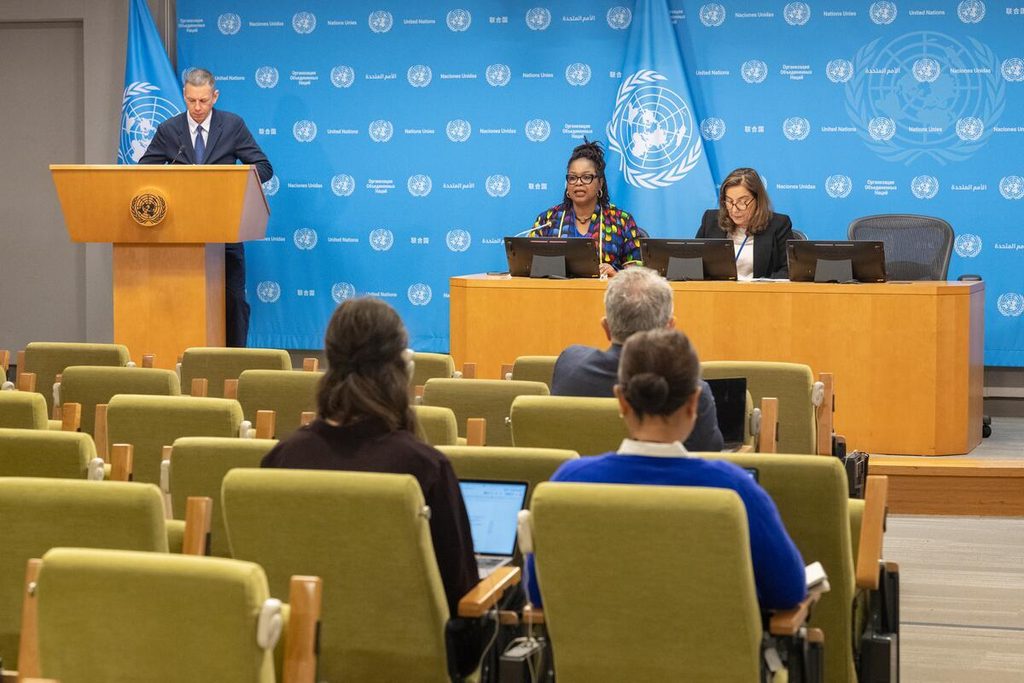
The UN Human Rights Council has renewed the mandate of its independent fact-finding mission on Sudan for another year, strengthening international investigations into alleged abuses committed during the country’s war.
The Geneva-based council adopted resolution A/HRC/RES/63/2 on Monday by 28 votes to 10, with nine members abstaining, according to official UN records. The measure is titled “Responding to the human rights and humanitarian crisis caused by the ongoing armed conflict in the Sudan.”
Support for the mission increased compared with last year’s vote, when 24 countries backed extending its mandate, 11 opposed and 12 abstained.
The vote ensures that independent international investigators will continue gathering and preserving evidence of alleged violations committed since fighting erupted between the Sudanese Armed Forces (SAF) and the Rapid Support Forces (RSF) in April 2023.
Under the renewed mandate, the fact-finding mission is expected to provide an oral update to the Human Rights Council at its 66th session, followed by an enhanced interactive dialogue involving civil society.
It will then submit a comprehensive report at the council’s 67th session and present the findings to the 82nd session of the UN General Assembly. The UN high commissioner for human rights, assisted by the designated expert on Sudan, has also been asked to submit a comprehensive report to the council’s 67th session.
The decision keeps an international accountability mechanism operating independently of investigations conducted by authorities aligned with the SAF-controlled administration in Port Sudan.
The fact-finding mission was established in October 2023 to investigate alleged violations of international human rights and humanitarian law committed during the conflict and to identify possible avenues for accountability.
UN investigators and human rights officials have since documented allegations of killings, arbitrary detention, torture, sexual violence, attacks on civilian infrastructure and obstruction of humanitarian assistance involving parties to the conflict.
The mission has also investigated atrocities surrounding El Fasher. UN investigators said earlier this year that evidence collected following the RSF takeover of the North Darfur capital included ethnically targeted killings, widespread sexual violence and enforced disappearances, with investigators saying some acts showed indications associated with genocide against Fur and Zaghawa communities.
The council has repeatedly called for an immediate ceasefire, unhindered humanitarian access and accountability for abuses committed by all sides.
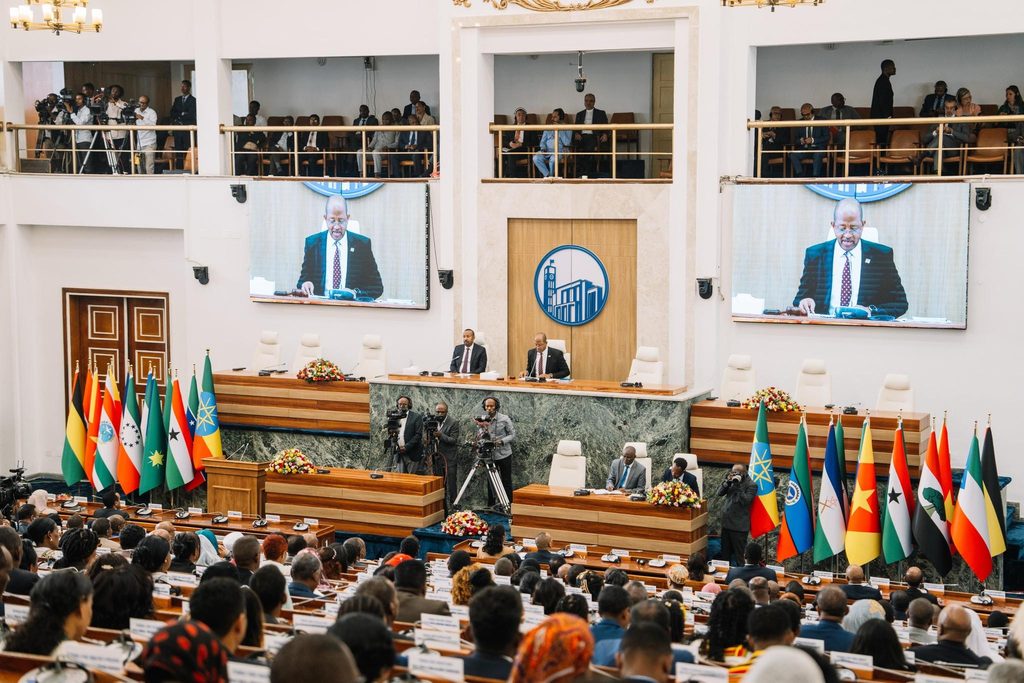
Monday’s resolution was opposed by Egypt, Burundi, China, Cuba, Indonesia, Iraq, Kuwait, Pakistan, Qatar and Vietnam, according to the recorded vote.
Angola, Benin, Ivory Coast, the Democratic Republic of Congo, Ethiopia, Ghana, India, Kenya and Thailand abstained.
Among African members supporting the resolution were South Africa, The Gambia, Malawi and Mauritius.
The renewed mandate gives investigators another year to collect evidence, identify those potentially responsible for violations and preserve material that could later be used in accountability proceedings.
It also represents another setback for efforts to end the international investigation and shift scrutiny of abuses exclusively toward domestic mechanisms.