The treason trial of South Sudan’s suspended vice president is deepening cracks in a fragile peace deal, United Nations experts warn.
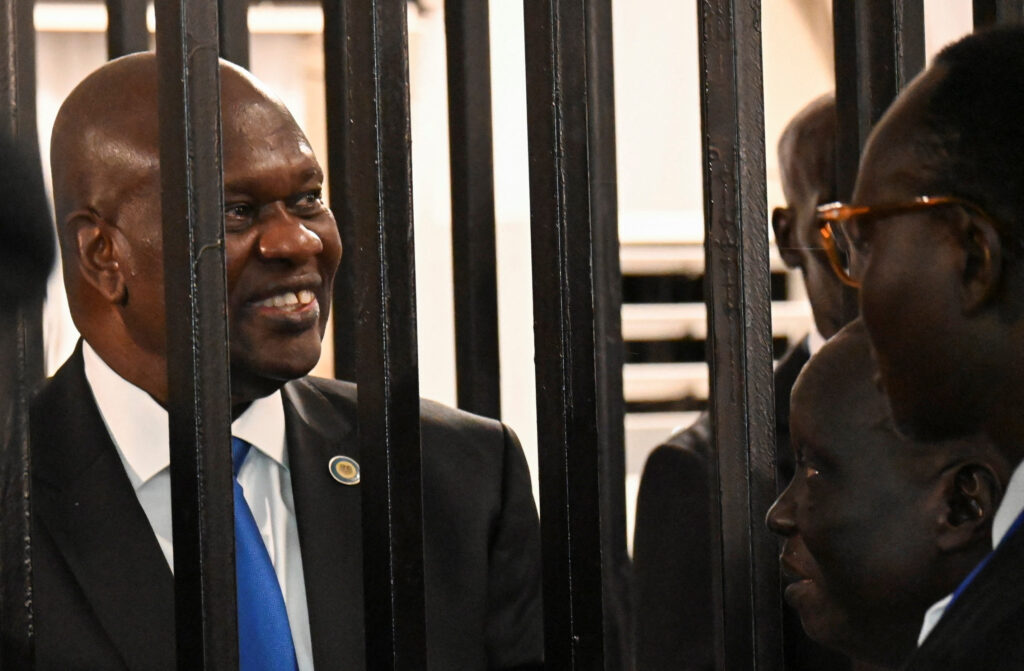
Riek Machar’s prosecution in the capital, Juba, is undermining the 2018 agreement he signed with President Salva Kiir.
UN experts say rival forces aligned with both leaders remain mobilised across the country, increasing the risk of renewed large-scale conflict.
UN peacekeeping chief Jean-Pierre Lacroix told the Security Council the crisis is approaching a breaking point.
He warned that time is rapidly running out to rescue a peace process weakened by years of delays.
South Sudan, which gained independence in 2011, descended into civil war two years later along ethnic lines.
Forces loyal to Kiir, from the Dinka community, fought those backing Machar, an ethnic Nuer leader.
The conflict killed more than 400,000 people before a peace deal was signed in 2018.
The agreement created a unity government, but implementation has been slow and uneven.
A long-delayed presidential election is now scheduled for December 2026.
UN experts say the political and security landscape has shifted sharply since the deal was signed.
Years of neglect have fragmented both government and opposition forces, weakening central command structures.
The country now faces a patchwork of soldiers, defectors and armed community defence groups.
With low morale and limited supplies, the army has increasingly relied on indiscriminate aerial bombardment.
Tensions escalated in March when a Nuer militia seized an army garrison.
The government responded by charging Machar and other opposition figures with treason and terrorism.
Regional bodies, including the African Union and IGAD, have called for Machar’s release.
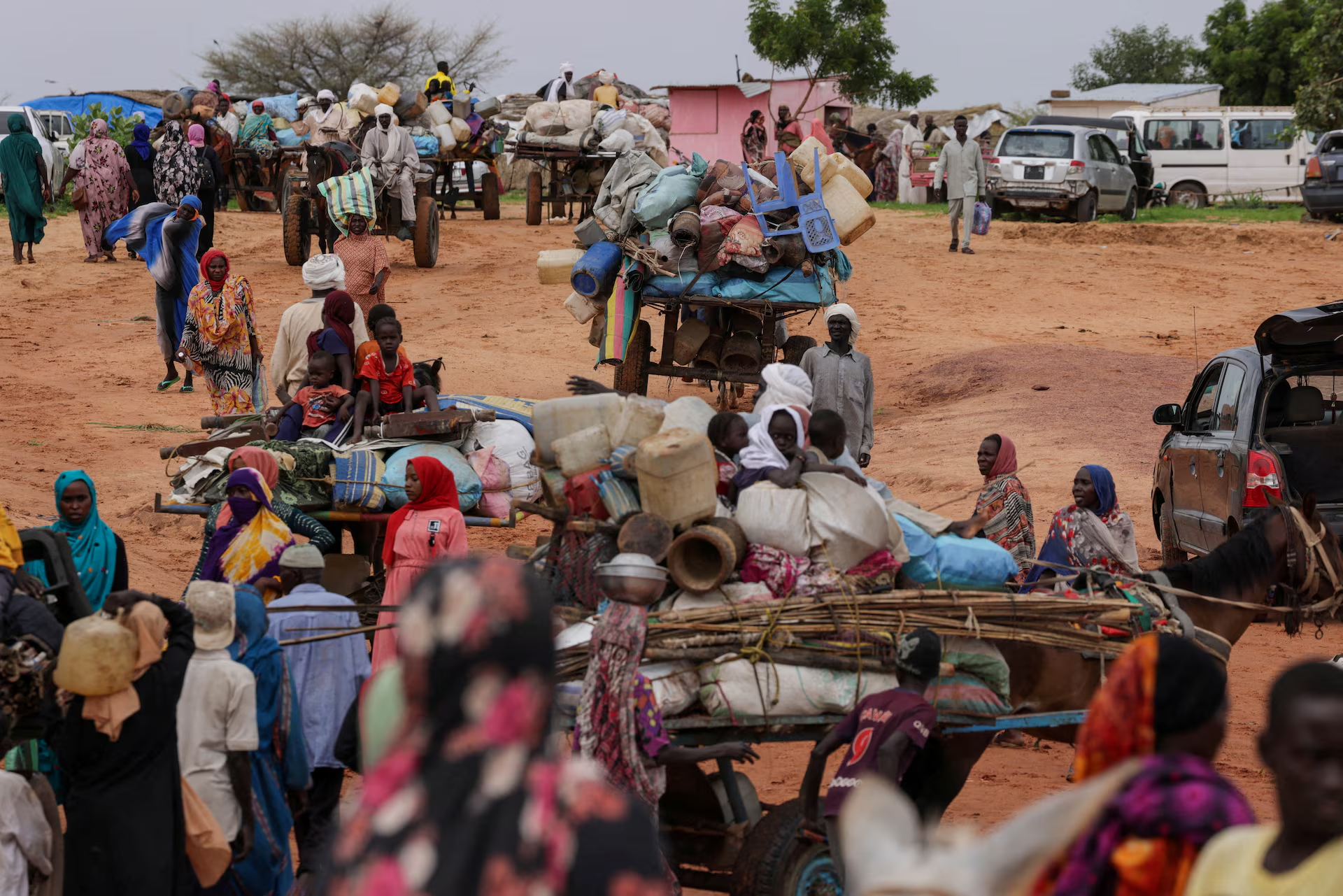
UN experts warn the political crisis is worsening an already dire humanitarian situation.
About 7.7 million people face crisis-level food insecurity, with famine emerging in conflict-affected areas.