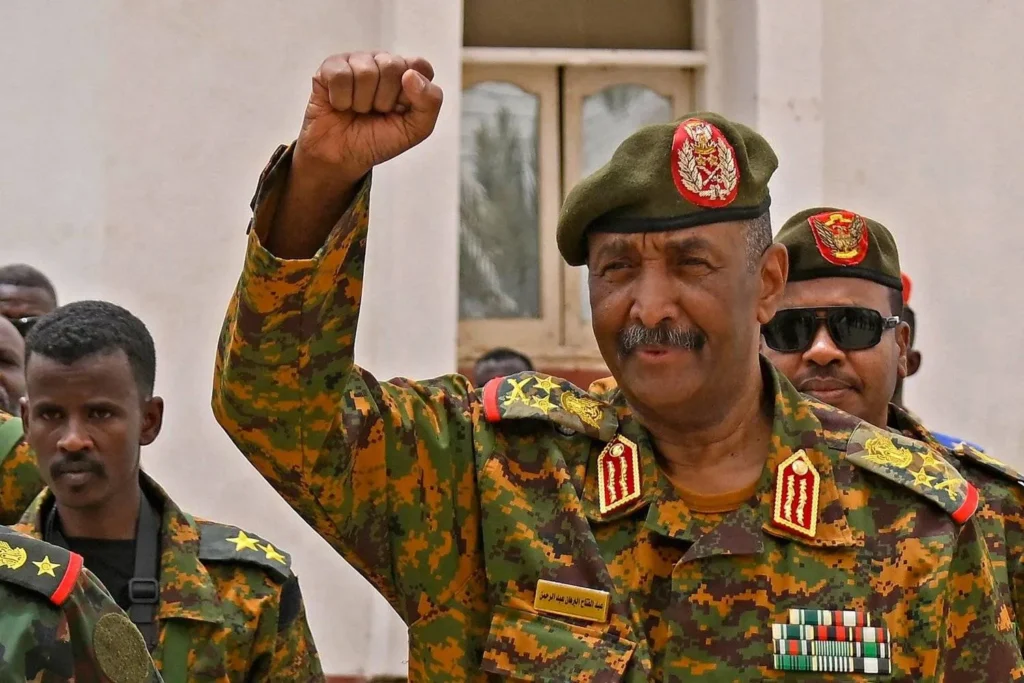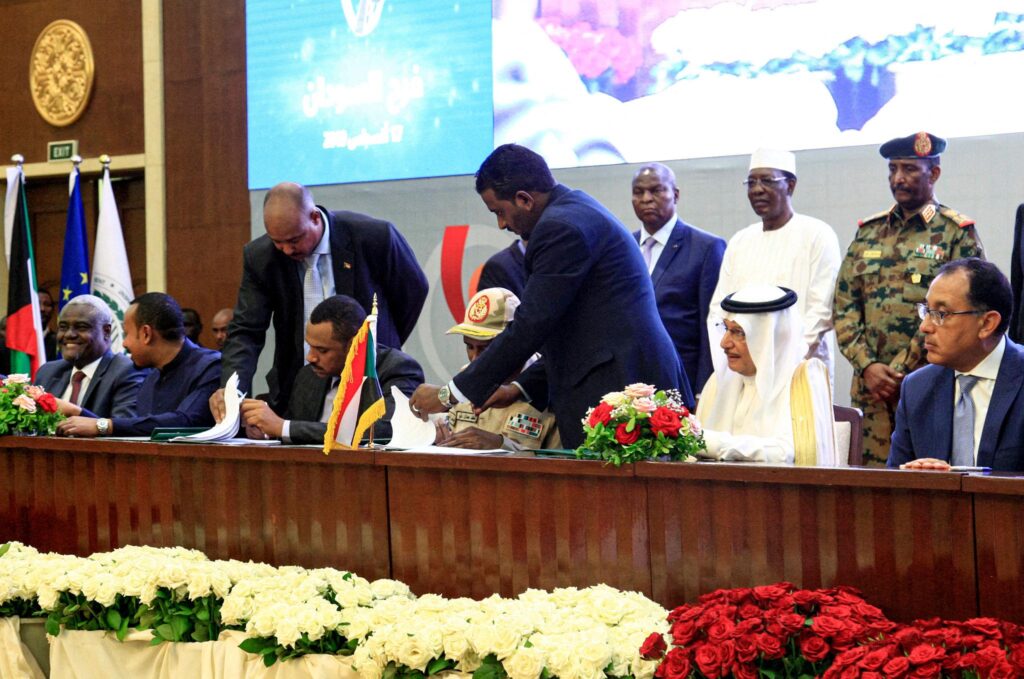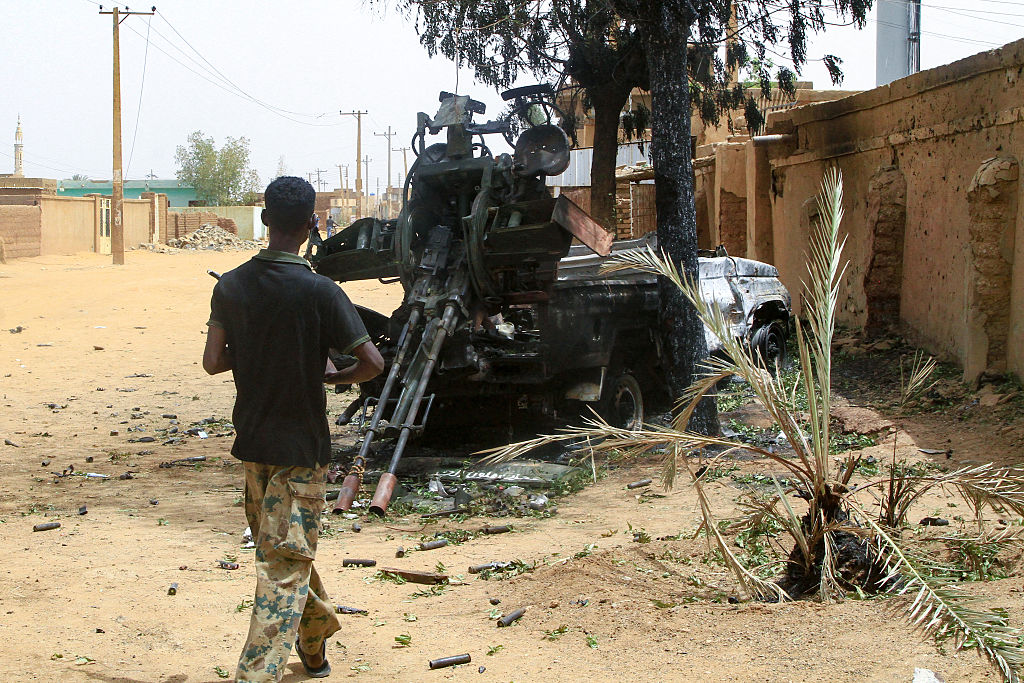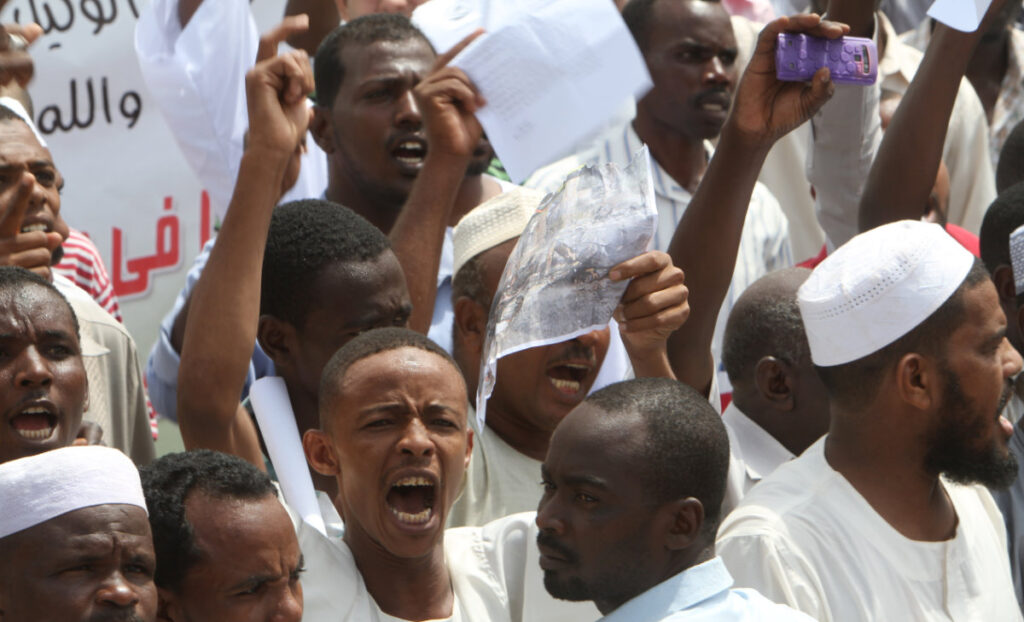
Leaders of Sudan’s Islamist movement, widely known as the “Kizan,” have intensified threatening rhetoric against Sudanese civilians and several countries in the region, amid growing public anger and mounting accusations that the group is deepening Sudan’s crisis and attempting to reopen the country to the militant networks that once plunged it into decades of isolation.
The escalation comes days after a former security officer loyal to the Muslim Brotherhood threatened to attack six countries in the region. In a separate statement, Islamist leader Yasser Obeidallah warned civilians who led the popular uprising that toppled the regime in April 2019 that they would face “death” if they returned to the streets, implying the group’s full reliance on the army for protection.
These threats coincided with discussions in the US Congress in which speakers argued that Sudan’s crisis is fundamentally linked to the continued influence of Islamist networks within the state.
Referencing what he described as the movement’s “long terrorist arm” during the 1990s, former security general Abdelhadi Abdelbasit openly acknowledged the group’s experience in conducting external attacks and inflicting harm on other countries, issuing fresh threats against states in the region. He said the group’s battle was not a domestic one, but rather a confrontation with countries “living in comfort.”
Since the outbreak of war in Sudan in April 2023, observers have repeatedly warned of links between Islamist factions aligned with the army and extremist organizations operating beyond Sudan’s borders.
During the 1990s, Sudan hosted al-Qaeda leader Osama bin Laden and other extremists, some of whom were later granted Sudanese passports. Islamist networks were subsequently implicated in cross-border attacks, including the attempted assassination of Egyptian President Hosni Mubarak in Addis Ababa in 1995, the bombings of the US embassies in Kenya and Tanzania in 1998, and the attack on the USS Cole off the coast of Yemen in 2000.
In an audio recording circulated online, Yasser Obeidallah lashed out at civilian forces and the international “Quartet,” accusing them of foreign interference in Sudan’s affairs. He branded anti-war civilians as foreign agents and challenged them to take to the streets, declaring: “Our choice is red death… neither a quartet nor a quintet will bring you back… the army’s supporters have spoken.”
Obeidallah’s remarks, along with those of the former security officer, followed hours after a tribal leader in eastern Sudan threatened to open Red Sea ports to Russia to strike the United States.
Journalist Sabah Mohammed Al-Hassan accused the authorities in Port Sudan of resorting to outdated and crude tactics, arguing that the return to threats reflects a backward mindset rooted in a closed security mentality. She said such rhetoric exposes the political bankruptcy of the Islamist movement.
Political researcher Abdullah Mahmoud described Abdelbasit’s statements as “extremely dangerous” and warned that they must be treated with the utmost seriousness.
“The international community takes such threats very seriously because they are cross-border in nature and not confined to one country, especially at a time when communication tools have become highly advanced,” Mahmoud told Sky News Arabia. “The world has already lived through past experiences with terrorism, where extremist groups seize on such rhetoric and translate it into attacks against civilians.”
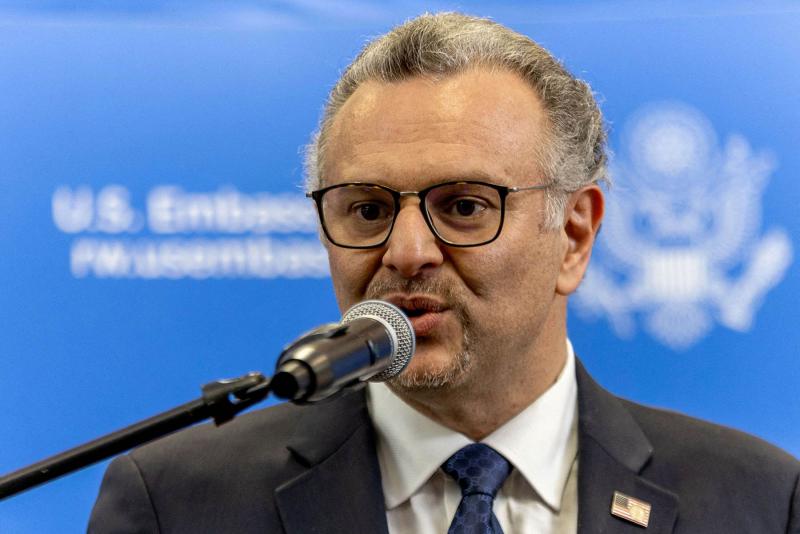
A US Congressional hearing held on Friday also examined the threat posed by Islamist groups to Sudan’s future. Ken Isaacs, a former US presidential candidate and former head of the International Organization for Migration, told lawmakers that Sudan’s core problem over decades stemmed from Islamist extremism that captured the state.
“Since 1989, the ideological dominance of the Muslim Brotherhood has shaped Sudanese politics,” Isaacs said, blaming the movement and its political arm, the National Congress Party, for wars and acts of terrorism during the 1990s. “This same extremism lies behind the war in the south and the current conflict—it is the same ideology we see in Hezbollah and al-Qaeda.”
Isaacs added that the administration of President Donald Trump and Secretary of State Marco Rubio were fully aware of the dangers posed by the Muslim Brotherhood, urging stronger efforts to designate the group as a foreign terrorist organization.