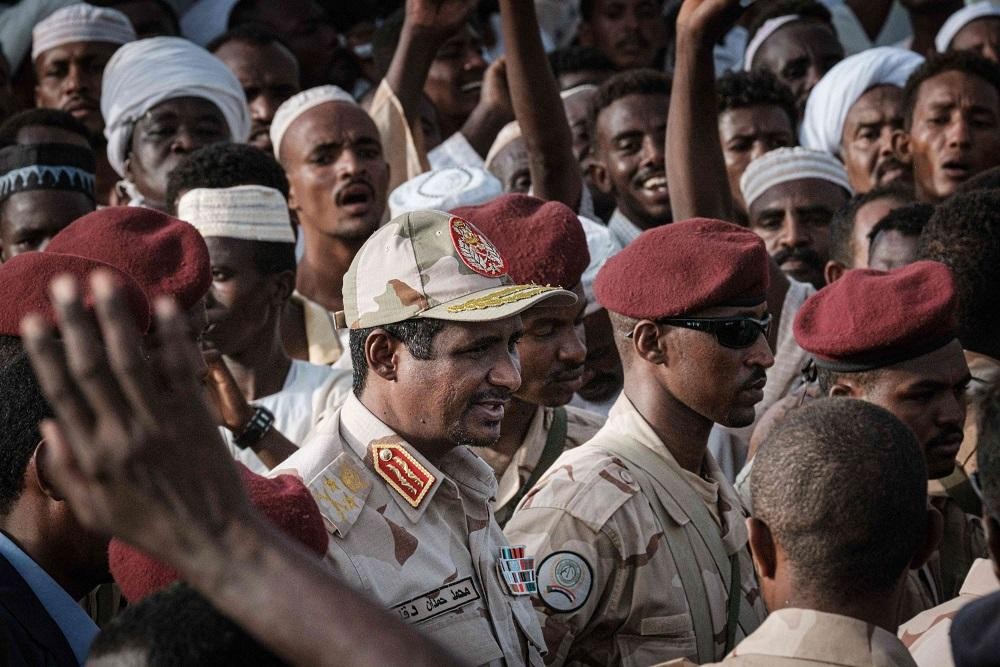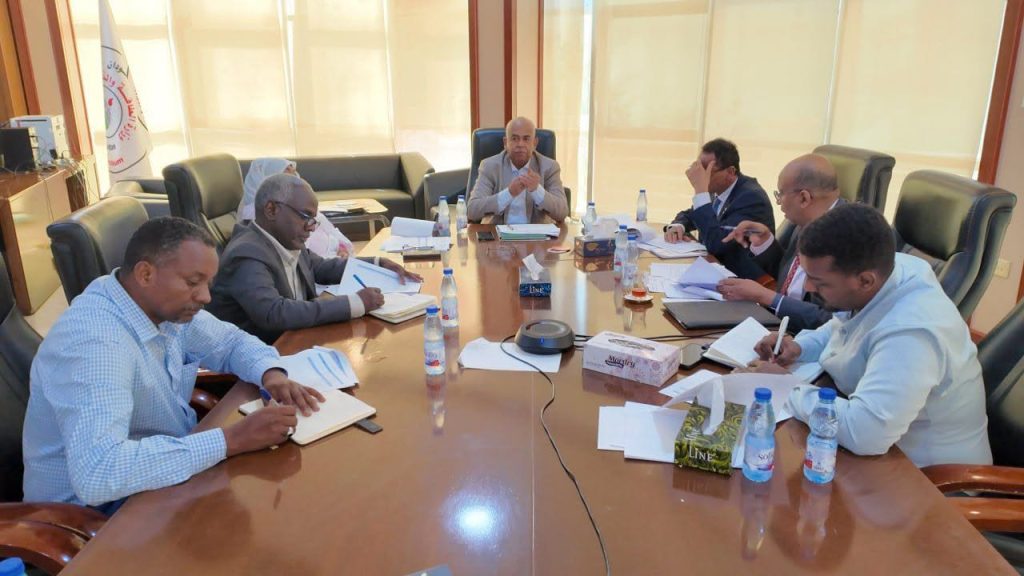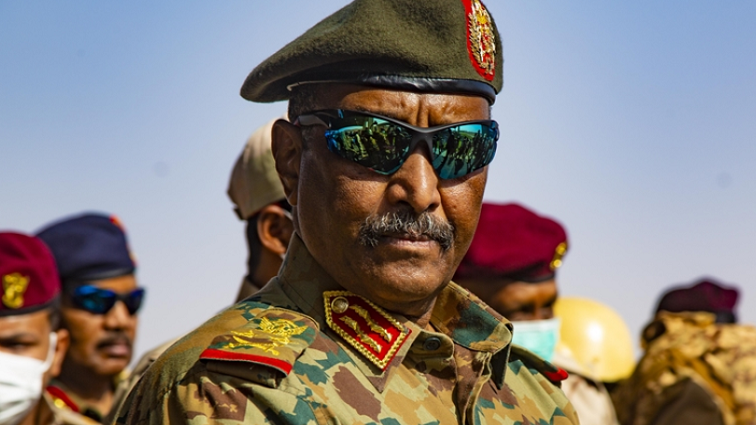
Washington has delivered a sharp rebuke to Sudanese general Abdel Fattah al-Burhan’s political initiative by demanding a civilian-led dialogue.
The U.S. State Department declared that any meaningful peace talks must involve all segments of society, including displaced persons and refugees abroad.
This stance directly challenges Burhan’s efforts to host discussions within military-controlled territory and retain oversight over the country’s political agenda.
American officials insist the venue for negotiations must be mutually agreed upon by all parties to guarantee independence and total transparency.
Washington prioritizes an immediate humanitarian truce, contrasting sharply with Burhan’s strategy of pursuing political talks while actively escalating military operations.
Civilian opposition groups suspect the military junta is attempting to legitimise its rule and forge an alliance with ousted Islamist factions.
Opponents warn that holding a dialogue amidst ongoing hostilities risks providing political cover for war while further fracturing the battered nation.
By shifting political weight toward external refugees and internal evacuees, international partners aim to strip power from the warring factions.
The American framework mirrors broad global consensus, demanding an uncoerced transition toward fully independent civilian governance across the suffering nation.
Burhan now faces an unprecedented political test as his vision of controlled reform collides with uncompromising international demands for democracy.