The United States has formally designated the Sudanese Muslim Brotherhood as a terrorist organization, marking a major escalation in Washington’s response to Islamist networks linked to Sudan’s ongoing conflict.
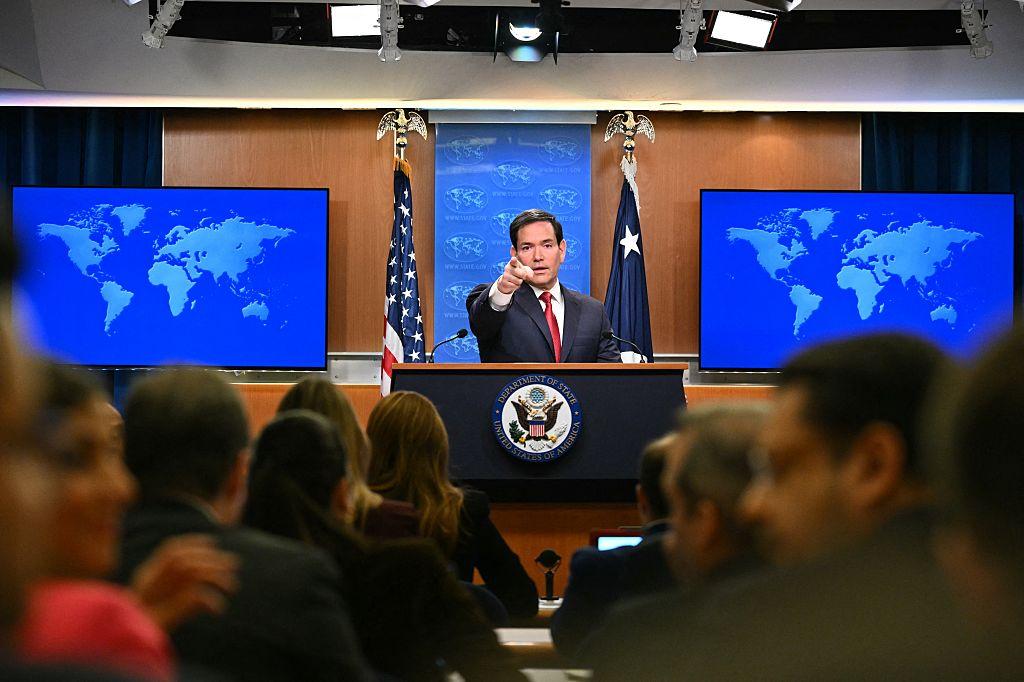
The US State Department announced that the Sudanese branch of the Muslim Brotherhood has been listed as a Specially Designated Global Terrorist (SDGT) entity and will also be designated as a Foreign Terrorist Organization (FTO), with the measure expected to take effect on March 16.
The designation places the Sudanese Islamist movement under sweeping sanctions, including asset freezes, financial restrictions and criminal penalties for individuals or organizations that provide material support to the group.
According to US officials, the decision reflects mounting concerns about the group’s role in Sudan’s conflict and its alleged links to extremist networks and foreign military actors.
In its statement, the State Department accused the Sudanese Muslim Brotherhood of using violence against civilians and attempting to undermine efforts to resolve Sudan’s civil war. Officials also cited intelligence assessments suggesting that elements of the movement have received training or support from Iran’s Islamic Revolutionary Guard Corps (IRGC).
The Sudanese Muslim Brotherhood, often referred to locally as the Sudanese Islamic Movement, played a dominant role in Sudan’s political system during the three-decade rule of former president Omar al-Bashir. After Bashir’s removal in 2019, many of its members retained influence within state institutions and armed networks.
Since the outbreak of Sudan’s war in April 2023, critics and regional analysts have increasingly accused Islamist factions tied to the movement of mobilizing militias and embedding within the command structure of the Sudanese Armed Forces (SAF).
The US designation is expected to intensify international pressure on Islamist networks operating in Sudan and could complicate the financial and diplomatic environment for political actors linked to the movement.
The move also follows a broader US policy shift targeting Muslim Brotherhood branches across the Middle East. Earlier this year, Washington designated Brotherhood-linked organizations in Egypt, Lebanon and Jordan as terrorist entities, citing alleged support for militant groups and destabilizing regional activities.
Sudanese political groups opposing the Islamist movement welcomed the decision, describing it as long overdue accountability for decades of violence and repression attributed to the Brotherhood and its affiliated militias.
The designation could have significant implications for Sudan’s already complex conflict landscape, particularly if it leads to further sanctions against individuals, charities, financial networks or armed groups connected to the Islamist movement.