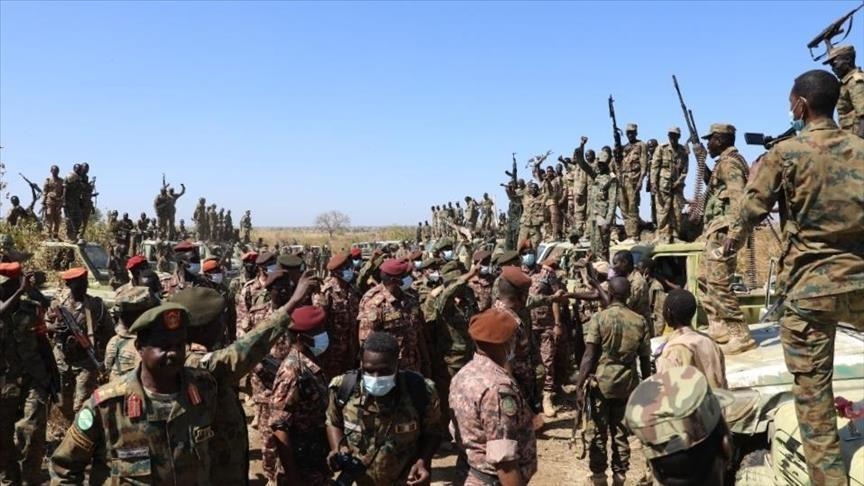
Washington has presented a comprehensive proposal to end Sudan’s ongoing war, focusing on three parallel tracks, military, political, and humanitarian, in an effort to rein in the violence perpetuated by SAF and the RSF. The plan provides a detailed roadmap for a nationwide ceasefire, humanitarian access, and a civilian-led political process that excludes the remnants of the former regime.
Military track
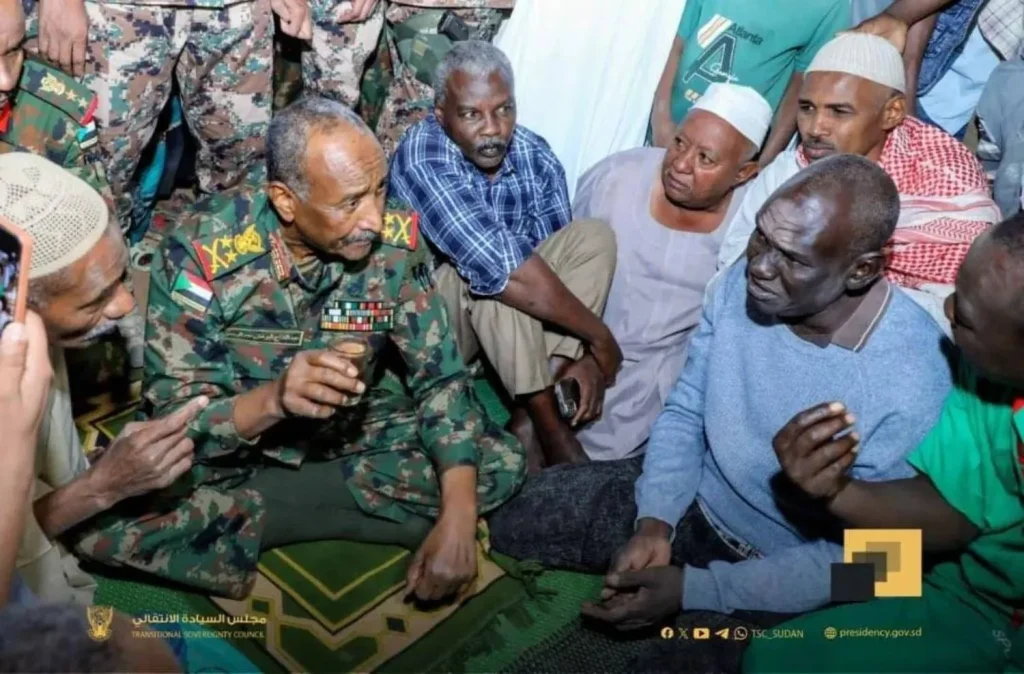
The proposal calls for a full ceasefire between SAF and the RSF, monitored by an international committee. Sources say the plan includes major military reforms, with a particular focus on purging SAF of elements linked to the Brotherhood, disbanding militias, and integrating armed groups under civilian authority. Critics argue that SAF has consistently undermined peace efforts, perpetuating chaos while failing to protect civilians and blocking humanitarian aid.
Political track
The political component prioritises a broad dialogue among Sudan’s civilian forces, excluding SAF-aligned figures. The goal is to establish a new civilian authority capable of leading the transition and rebuilding state institutions. Washington sees this track as essential, warning that any ceasefire without a parallel political process risks allowing SAF to maintain its dominant and destabilising role.
Humanitarian track
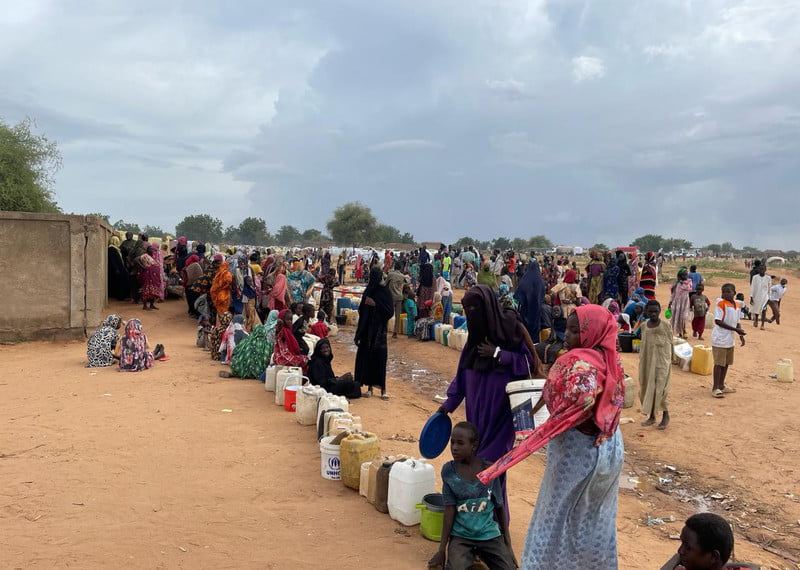
The humanitarian pathway begins with SAF and the RSF agreeing to a humanitarian truce, opening safe corridors for aid and restoring essential services. Sources stress that SAF has repeatedly obstructed aid delivery, exacerbating civilian suffering, and the US plan aims to hold them accountable while ensuring relief reaches the most affected areas.
Integrated roadmap
According to sources, the US proposal integrates the three tracks, ensuring military reforms, political transition, and humanitarian access work together. Analysts say SAF’s continued dominance has been a key driver of Sudan’s instability, and the plan aims to dismantle their unchecked power, placing the country on a path toward genuine civilian-led governance and lasting stability.