The United States has rejected an internal investigation conducted by Sudan’s SAF-backed authorities into allegations that the General al-Burhan’s forces (SAF) used chemical weapons, saying the inquiry cannot replace independent international verification.
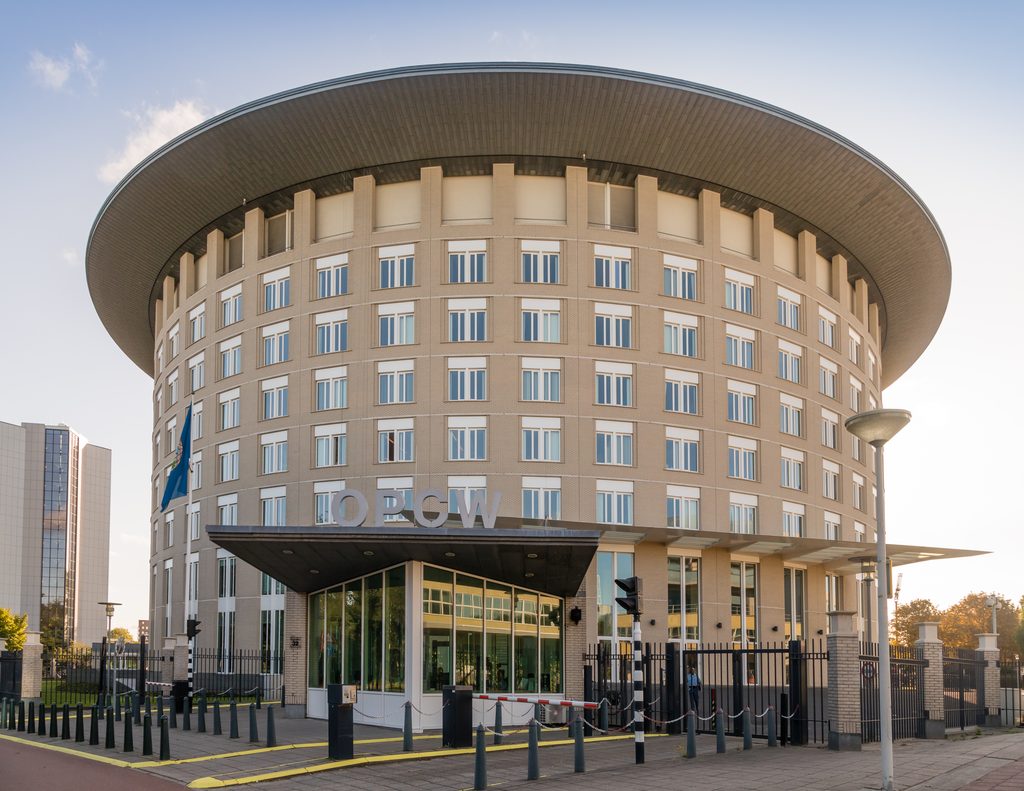
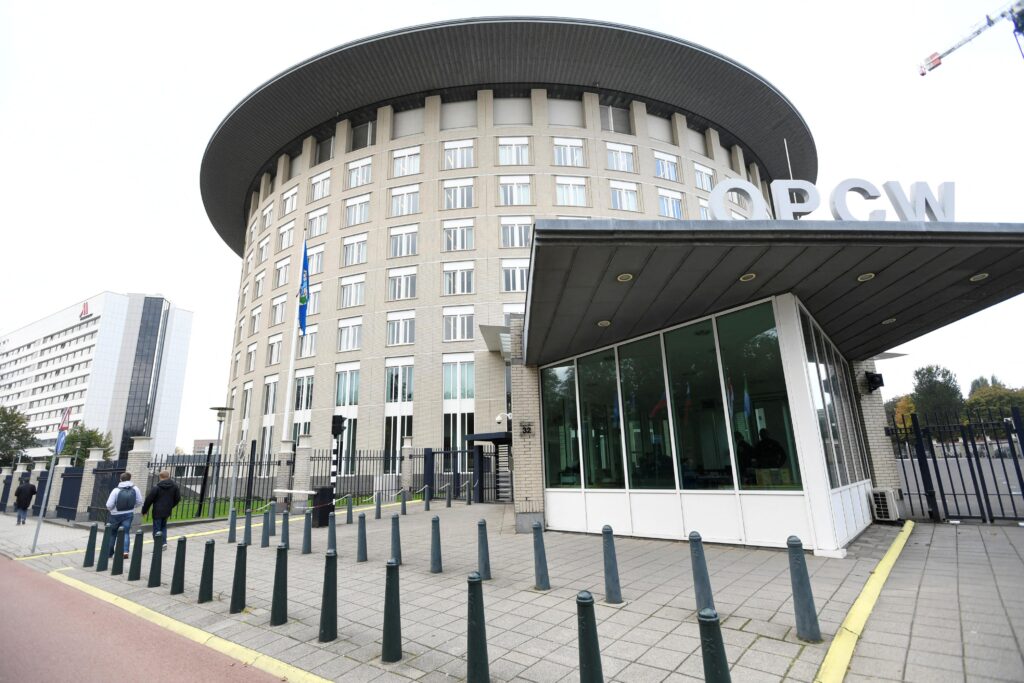
The dispute emerged during the 112th session of the Organisation for the Prohibition of Chemical Weapons Executive Council in The Hague, after Sudan circulated an interim report prepared by a national committee appointed by SAF chief Abdel Fattah al-Burhan’s administration.
Sudan’s committee claimed that field inspections, interviews and reviews of available medical and official records had produced no evidence supporting allegations that chemical weapons were used.
According to the report, investigators visited locations connected to the allegations, examined the surrounding environment, interviewed local officials, healthcare workers, community representatives and residents, and took what it described as precautionary samples.
However, the interim findings did not name the locations inspected, publish test results, identify laboratories involved or provide detailed information about the incidents examined.
The committee also acknowledged that insecurity had restricted access to some locations, while logistical problems and delays in obtaining records had slowed its work.
Despite those limitations, it said no physical evidence, verified testimony, medical information or documentary material had so far substantiated the allegations.
Washington sharply questioned the credibility and independence of the process.
In a statement delivered on July 9, the US delegation said Sudan’s internal technical committee was not a substitute for compliance with the Chemical Weapons Convention or for independent international verification.
The United States said it had not deployed personnel to Sudan, supervised the inquiry or guided the committee’s investigation.
Washington maintained that its own independent technical assessment concluded that the Sudanese government used chemical weapons during 2024 and remained in breach of the convention during 2025.
It said the Port Sudan authorities must submit a comprehensive declaration to the OPCW Technical Secretariat detailing all relevant facilities, materials and chemical-weapons activities.
The authorities must then grant OPCW inspectors unrestricted access to conduct transparent on-site verification, the US statement said.
The public exchange appears to reveal a widening dispute over whether an investigation controlled by the SAF-aligned authorities can credibly examine allegations involving the SAF itself.
Previous independent reporting has pointed to the possible use of chlorine gas in two September 2024 attacks near the Garri military base and the al-Jaili oil refinery north of Khartoum.
Investigators reviewed images showing chlorine containers near impact craters and footage of a yellow-green cloud consistent with chlorine exposure. Human Rights Watch independently verified the geolocation of some of the material and called for an OPCW-led investigation.
Washington has imposed a second round of sanctions after determining that Sudan failed to meet conditions required under US chemical and biological weapons legislation.
It has also urged OPCW member states to prevent Sudan from retaining leadership influence inside the organisation while it remains accused of using banned weapons and refusing independent verification.