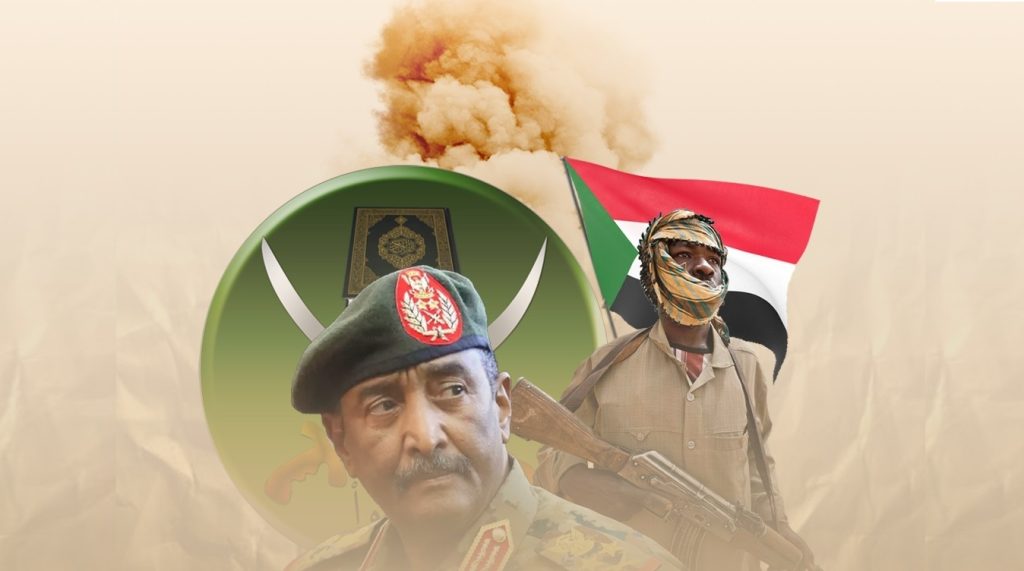
An analysis published by a US magazine has suggested that the continued presence of the Muslim Brotherhood within Sudan’s ruling structure is obstructing prospects for political progress and long term stability in the country.
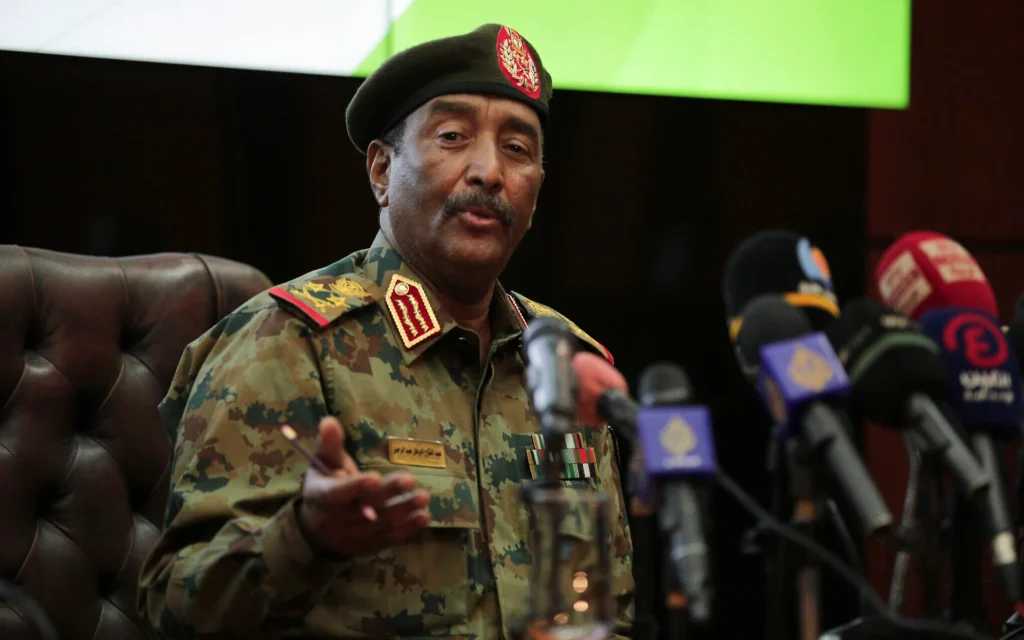
According to the report, the ongoing influence of Brotherhood affiliated figures in key positions within the system led by General Abdel Fattah al Burhan has significantly reduced the chances of reaching a comprehensive political settlement. The analysis argues that their continued role in decision making has added further complications to reconciliation efforts since the events of 2021.
Media covering Middle East affairs cited the magazine as saying that the Brotherhood’s influence inside state institutions represents a central factor in undermining peace initiatives. The report noted that this presence reflects a consistent political orientation rather than a temporary or tactical arrangement. It added that any peace process which fails to address the roots of disputes linked to the Brotherhood’s role risks lacking sustainability.
At the international level, the report comes amid rising tensions between the United States and the Muslim Brotherhood. The US administration recently announced the designation of Brotherhood affiliated groups in Egypt, Jordan, and Lebanon as terrorist organisations, a move Washington said was intended to limit the group’s operational capacity and external networks.
The US decision prompted mixed reactions. The Brotherhood rejected the designation, describing it as politically motivated and lacking legal foundation, while several Arab capitals expressed support for the move.
According to the report, these developments underline that the Muslim Brotherhood file remains central to regional and international political debates. The controversy surrounding the group’s role in Sudan reflects broader disagreements over how political Islam movements should be addressed and the impact they have on stability in countries where they remain active.
The analysis concludes that without confronting the influence of Islamist networks embedded within Sudan’s governing structures, efforts to end the conflict and build a durable peace are likely to face persistent obstacles.