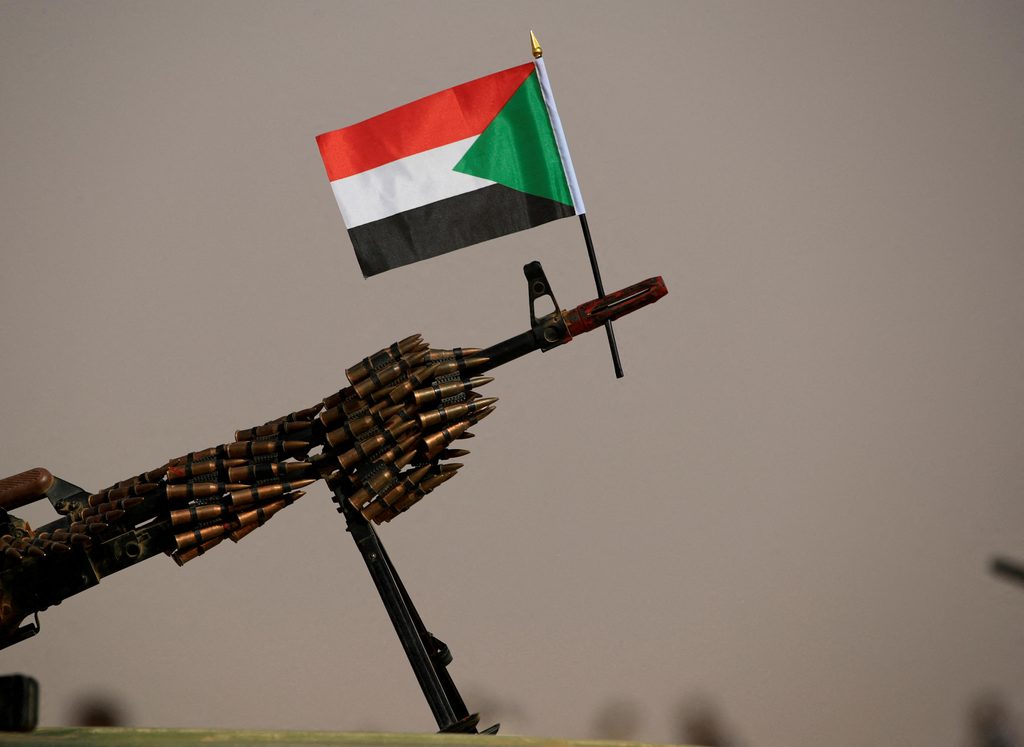
The Trump administration is shifting its approach to Sudan after months of failed diplomacy and repeated setbacks in efforts to end the more than three-year war, according to an analysis published by The Hill.
Washington is now pushing at the United Nations Security Council to expand the existing arms embargo from Darfur to the whole of Sudan, a move that would significantly broaden international scrutiny of weapons flows to the warring parties.
The Security Council is expected to consider the proposal after agreeing in September to extend the Darfur arms embargo under Resolution 1591 for only one month, until October 9 — the shortest renewal since the sanctions regime was introduced more than two decades ago.
US Ambassador to the United Nations Mike Waltz said Sudan was “awash with weapons,” adding that Washington’s position was that neither side needed additional arms.
The Hill said US officials believe a nationwide embargo would give the United Nations greater ability to monitor violations, track weapons-transfer networks and identify governments, individuals and companies involved in breaching the restrictions.
The proposal has exposed divisions inside the Security Council, with the United States, Britain and their allies broadly supporting stronger restrictions while Russia, China and their partners remain more resistant. Opposition from any permanent member could block the measure.
Although the existing Darfur embargo has failed to stop weapons from reaching Sudan, the UN panel of experts established under Resolution 1591 remains an important mechanism for investigating violations and recommending sanctions.
Pressure grows on Sudan’s military
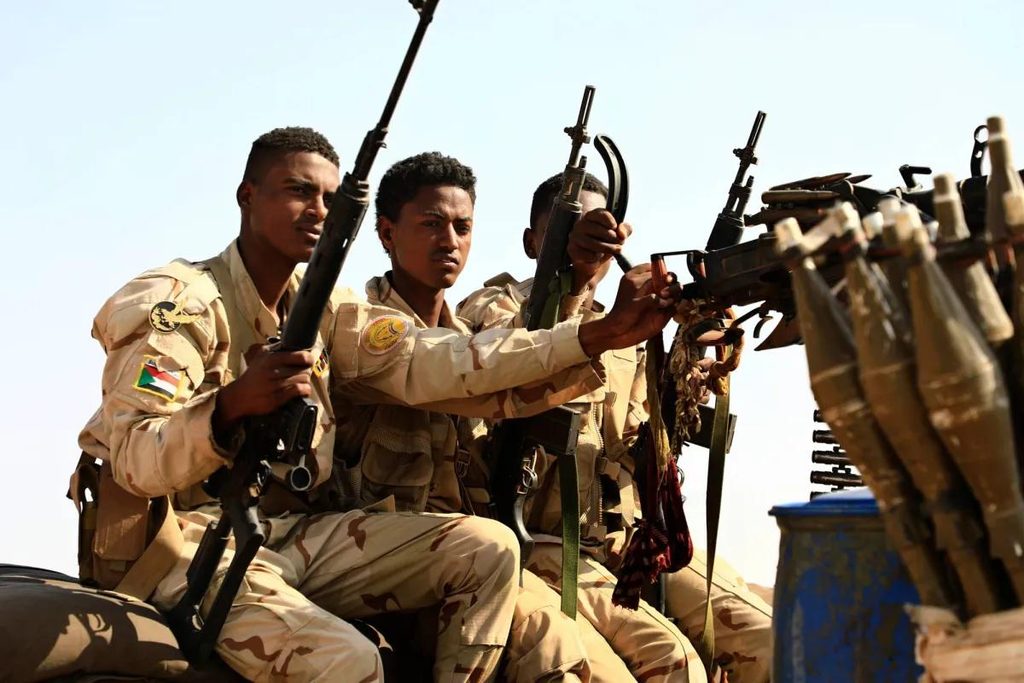
According to The Hill, expanding the embargo would increase pressure on the Sudanese Armed Forces by widening reporting and monitoring requirements across the country.
A recent UN report examined allegations surrounding weapons transfers to the Rapid Support Forces through networks linked to the United Arab Emirates, allegations Abu Dhabi has repeatedly denied. Investigations into the Sudanese military’s own arms procurement networks, particularly its acquisition of drones and other advanced weapons systems, are also continuing.
Several Democratic US senators have backed stronger enforcement, calling on the Trump administration to document all violations of the arms embargo and identify those responsible.
Regional support for the warring sides has long complicated international mediation. Egypt and Saudi Arabia have maintained close ties with army chief Abdel Fattah al-Burhan, while the UAE has repeatedly faced allegations of supporting RSF commander Mohamed Hamdan Dagalo, known as Hemedti.
Saudi Arabia, Egypt and the UAE, together with the United States, form the Quad, which has repeatedly attempted to broker a ceasefire.
Those initiatives have so far failed to stop the war. A renewed push for a 90-day humanitarian truce also stalled amid disagreements over military withdrawals and control of territory.
US Secretary of State Marco Rubio said during meetings around the UN General Assembly in September that ceasefire efforts repeatedly collapse whenever one side believes it is gaining ground or can still achieve a military victory.
Washington reassesses political legitimacy
The Hill said recent US moves also suggest Washington is reassessing its approach to the political legitimacy of Sudan’s military-controlled authorities.
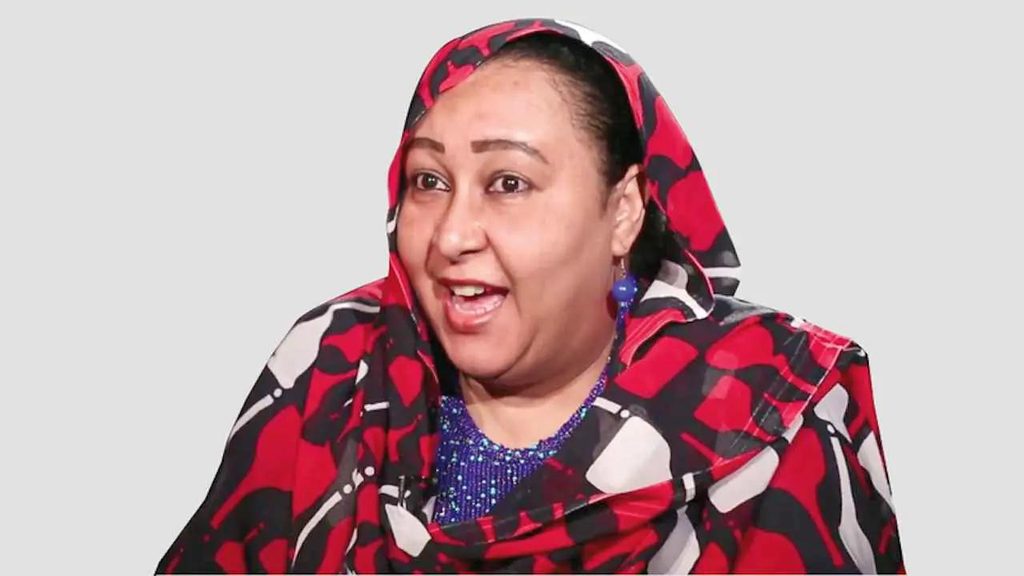
Areej El-Hajj, an Arabic-language editor at the Washington Institute for Near East Policy, said the overall direction of US policy appeared to show increasing pressure on the Sudanese Armed Forces and greater attention to the question of who could legitimately govern Sudan after the war.
While the RSF has limited political legitimacy inside Sudan, the army and the Port Sudan-based authorities have continued to represent Sudan in many international and regional institutions.
Against that background, increased US pressure on the military could signal that Washington is becoming less willing to automatically treat the army-led authorities as Sudan’s uncontested political representative.
Former prime minister Abdalla Hamdok has also argued that the Trump administration appears to be adopting a tougher approach toward both the army and the RSF.
In a recent interview with Al-Monitor during a visit to Washington, Hamdok said military leaders did not respond to diplomatic niceties and needed to be told directly that their actions would have consequences.
Humanitarian crisis deepens
Sudan’s war has created what international organisations describe as one of the world’s worst humanitarian emergencies.
Estimates cited by The Hill put the death toll at at least 150,000, while tens of millions of people require humanitarian assistance.
Around 9 million people have been displaced inside Sudan and more than 4 million have fled to neighbouring countries.
The UN humanitarian appeal for Sudan, worth nearly $3 billion, remains severely underfunded.
The Sudanese military has made battlefield gains over the past year, including regaining control of Khartoum and advancing in other areas.
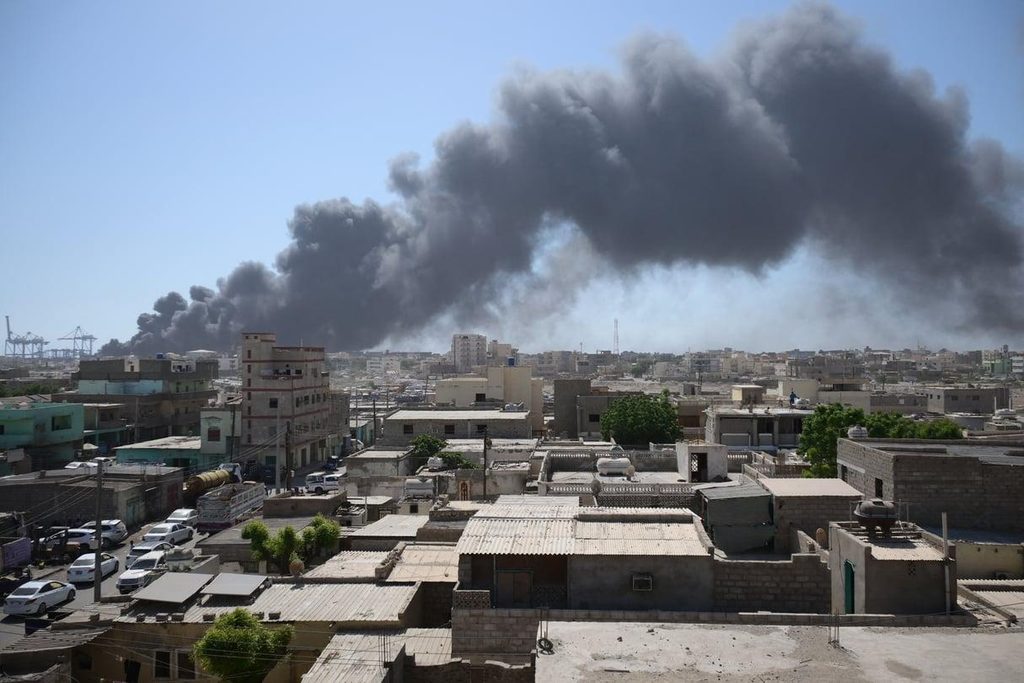
But increased use of drones and air strikes has also contributed to mounting civilian casualties. The Hill cited conflict-monitoring data indicating that roughly 1,000 people were killed in drone attacks during the first half of 2026.
Dispute over treating both sides equally
Sudan’s military and its regional allies have strongly opposed proposals they believe place the army and the RSF on equal footing.
Pakistan’s ambassador to the United Nations, Asim Iftikhar Ahmad, has argued that the Security Council should distinguish between the national armed forces of a sovereign state and an armed group accused of mass atrocities.
Both sides have been accused of war crimes and serious abuses during the conflict.
The previous Biden administration determined that atrocities committed by the RSF and allied forces in Darfur amounted to genocide.
The army and its allies have also objected to reports that Washington sought to link Burhan’s ability to attend UN General Assembly meetings in New York to his acceptance of a ceasefire initiative.
Saudi Arabia was also reported to have threatened to reconsider its participation in the Quad amid concerns over the treatment of Burhan, although Washington later appeared to move to ease tensions.
US Africa adviser Massad Boulos was present at the same event as Burhan in Egypt on Sunday, but a Sudanese official said the two men did not hold a meeting or speak directly.
US avoids naming foreign backers
Despite the tougher diplomatic approach, The Hill noted that the Trump administration continues to avoid publicly naming regional governments accused of fuelling the war.
Rubio said in September that outside actors were sustaining the conflict but declined to identify them publicly, arguing that doing so could create additional diplomatic friction.
“There are external parties. I’m not going to name them. You know who they are,” he said.
Rubio nevertheless acknowledged that Sudan’s war and humanitarian catastrophe could not have reached their current scale without active foreign involvement supporting one side or the other.
Michelle Gavin, a senior fellow for Africa policy studies at the Council on Foreign Relations, described Washington’s reluctance to publicly confront the war’s external backers as one of the contradictions in US policy toward Sudan and the Horn of Africa.
She noted that Quad statements regularly call on outside powers to stop supporting the conflict even though countries accused of backing the rival sides are themselves members of the diplomatic grouping.
The developments suggest Washington is increasingly looking beyond failed ceasefire appeals toward stronger international pressure, tighter scrutiny of arms supplies and a broader reassessment of Sudan’s post-war political order.