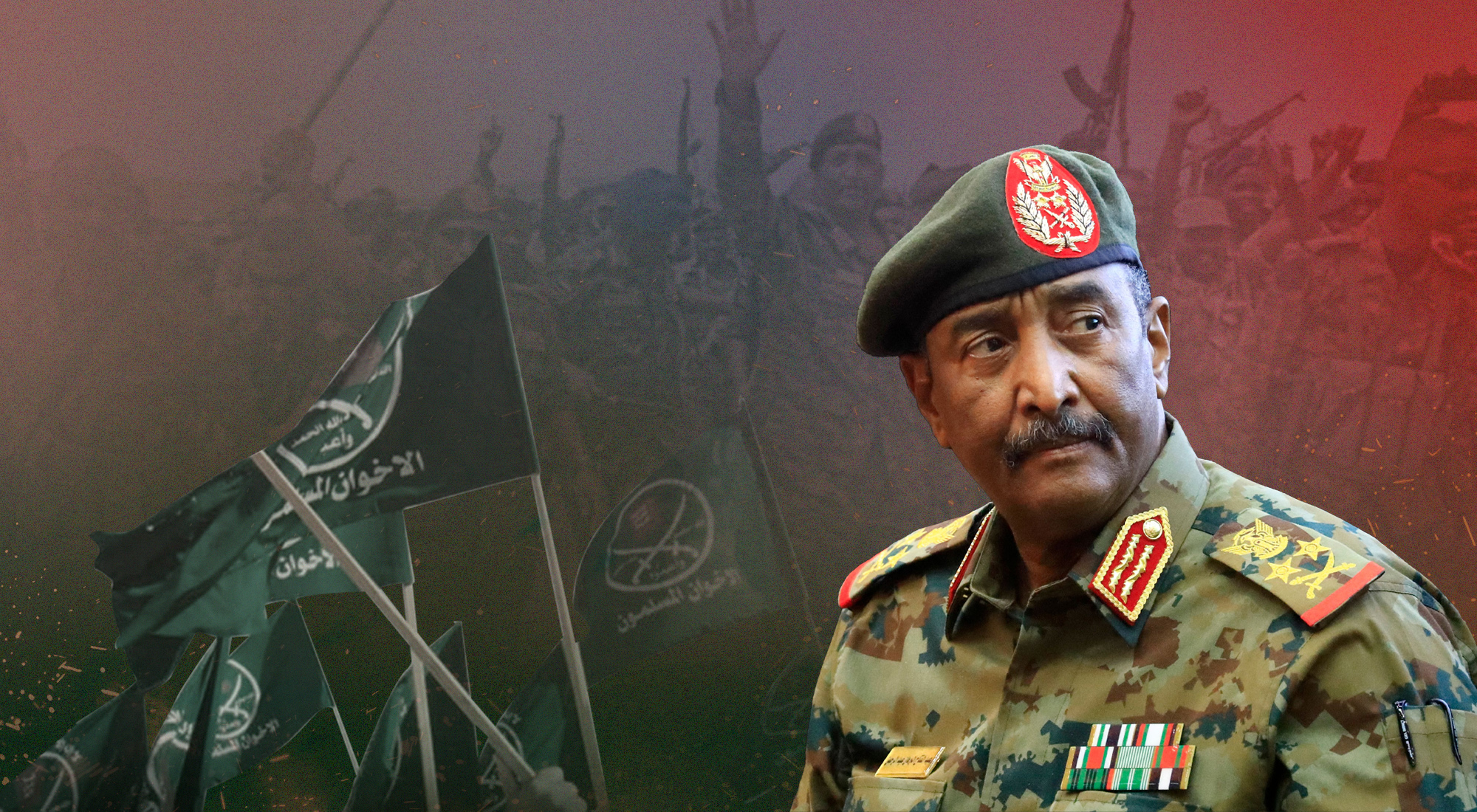
A US-based study has warned that achieving peace in Sudan will remain impossible unless the influence of the Muslim Brotherhood over the army and the authorities based in Port Sudan is dismantled.
The study, published by a New York strategic studies institute, said the group’s control over SAF and state institutions represents a structural obstacle to any political settlement. It cautioned the US and the international community against repeating the mistakes of the 1990s, when Sudan became a hub for transnational extremist networks linked to attacks on US embassies in Nairobi and Dar es Salaam in 1998, the USS Cole in Yemen in 2000, and ultimately the 11 September 2001 attacks.
According to the study, the war that erupted in mid April 2023 has enabled the organisation to reassert dominance over key state institutions under the banner of national defence. It said media aligned with the group have played a central role in undermining ceasefire efforts, rejecting negotiations, and delegitimising civilian alternatives by portraying the conflict as an existential war against foreign agents and enemies of Islam.
The study’s author, Robert Williams, said supporters of the organisation have gone beyond backing SAF, embedding themselves within its operational, intelligence, and political structures, making the Muslim Brotherhood the true centre of gravity in managing the conflict.
It urged the US administration to adopt a firm stance against the group’s entrenched role in Sudan, warning that its continued influence within state institutions would keep peace out of reach and entrench instability as a standing policy.
The study also pointed to the organisation’s historical ties with Iran and extremist groups, including its hosting of al Qaeda leader Osama bin Laden in the early 1990s. It argued that describing the war purely as a confrontation between SAF and RSF overlooks the deeper roots of the crisis, which it described as part of a long term project by the Muslim Brotherhood to dominate the Sudanese state.
The study concluded by warning that the current approach risks reproducing the same model that turned Sudan into a hub for transnational extremist groups in the 1990s, making any political or economic settlement conditional on breaking the organisation’s influence.