A US-based policy institute has called on the Trump administration to designate the Muslim Brotherhood in Sudan as a terrorist organization, warning that the group’s expanding influence poses a growing threat to regional stability and could turn Sudan into a hub for transnational extremism.
In a recent study, the Gatestone Institute for Strategic Studies, a New York–based think tank focused on foreign policy and security issues, argued that Washington should extend its existing policy of designating Muslim Brotherhood branches abroad to include Sudan, which it described as a local extension of the organization.
The study said the designation is necessary to contain escalating security risks inside Sudan, noting that the US has already classified Muslim Brotherhood affiliates in other countries as terrorist organizations.
Sanctions and concerns over armed networks
The report cited US Treasury sanctions imposed in September 2025 on the Al-Baraa Ibn Malik Brigade, which Washington accused of destabilizing activities and links to Muslim Brotherhood-aligned groups outside Sudan. According to the study, the sanctions reflect growing US concern that the brigade forms part of a broader armed structure involved in Sudan’s ongoing conflict and connected to external actors.
Human rights allegations and chemical weapons claims
The study also highlighted allegations by human rights organizations and civil society groups accusing forces allied with General al-Burhan’s army (SAF) of targeting Christian communities and church property in conflict areas, including reports of damaged churches and civilian casualties. The SAF has previously denied such accusations.
In addition, the report referenced a US State Department announcement in May 2025 concluding that the Sudanese government used internationally prohibited chemical weapons during 2024. It also pointed to subsequent reports alleging the use of chlorine gas in several areas of the capital, Khartoum.
Post-transition influence
According to the study, the Muslim Brotherhood’s influence inside Sudanese state institutions, including the military establishment, expanded after the derailment of the country’s post-Bashir transition. The report traced this shift to the collapse of the transitional process following the October 25, 2021 coup led by SAF chief Abdel Fattah al-Burhan, which it said enabled figures linked to the former regime to regain positions of power.
The institute warned that allowing this influence to persist could threaten stability across northeast Africa and the Red Sea corridor, a key global trade route. It cautioned that failure to address these dynamics could fuel the regional expansion of extremist activity.
War and humanitarian crisis
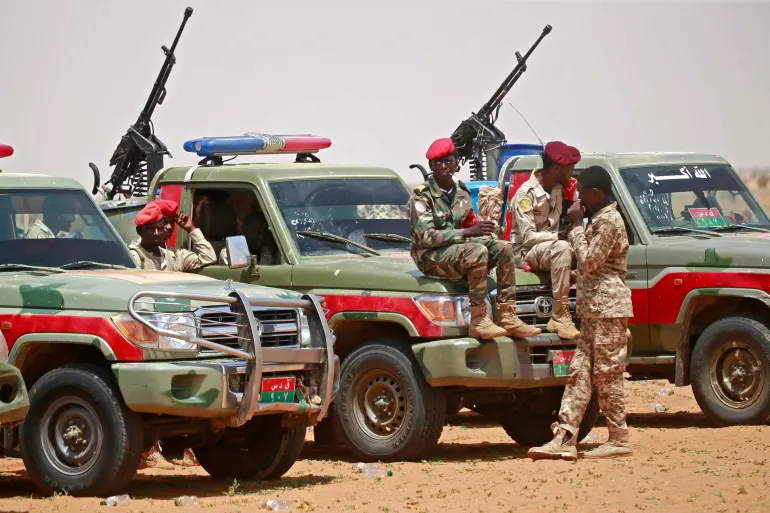
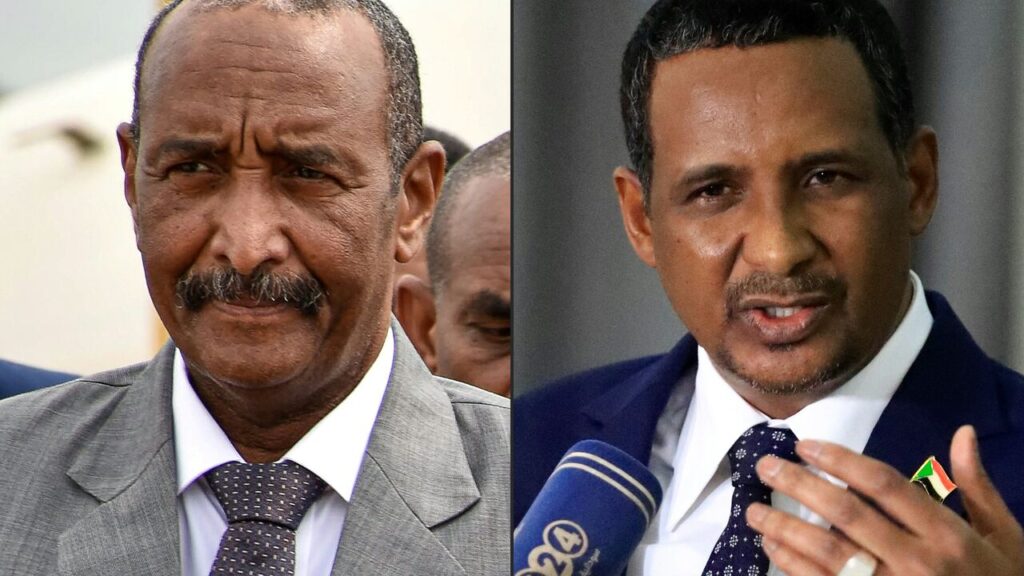
Sudan has been engulfed in war since fighting erupted between General al-Burhan’s army (SAF) and the Rapid Support Forces, triggering one of the world’s worst humanitarian crises. Millions of civilians have been displaced amid collapsing services and worsening living conditions across multiple states.
The study concluded that designating the Muslim Brotherhood in Sudan as a terrorist organization would be a necessary step to protect US interests and regional security, warning that inaction could have long-term consequences for regional and international stability.