The United States has warned Sudan of “serious consequences” if it agrees to host a Russian naval base in Port Sudan on the Red Sea, raising the prospect of sanctions and further international isolation for the country’s military leadership.
The warning comes after a Wall Street Journal report, citing unnamed Sudanese officials, said Khartoum had offered Moscow its first naval base in Africa — a 25-year agreement that would give Russia a strategic foothold on one of the world’s most critical maritime corridors. According to the report, Sudan’s rulers have so far held off from signing the deal.
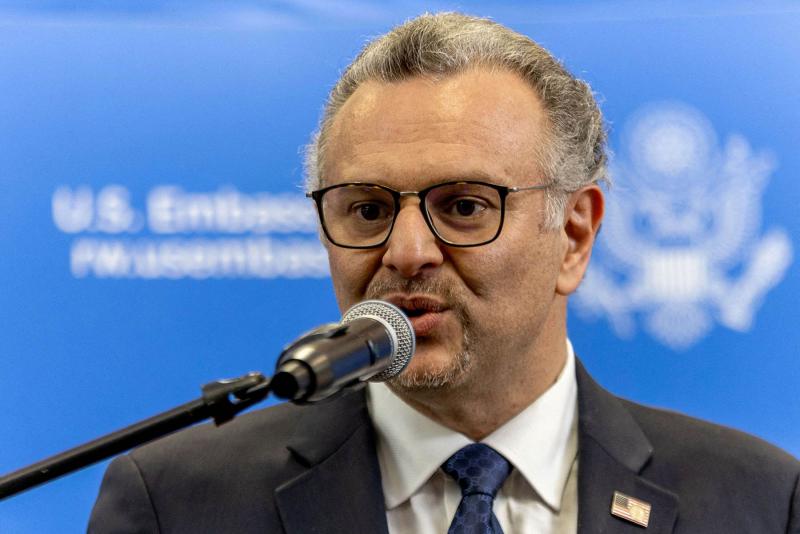
A US administration official said Washington is “aware of reports” of an understanding between Russia and General al-Burhan’s army (SAF) on establishing a Russian naval facility along Sudan’s coast.
“We encourage all countries, including Sudan, to avoid any engagements with the Russian defence sector, given the serious consequences that could follow, including possible sanctions on entities or individuals involved,” the official said.
He warned Sudanese leaders that moving forward with such a base, or any broader security partnership with Moscow, “would further isolate Sudan, deepen the current conflict, and expose the region to greater instability.”
What Russia stands to gain
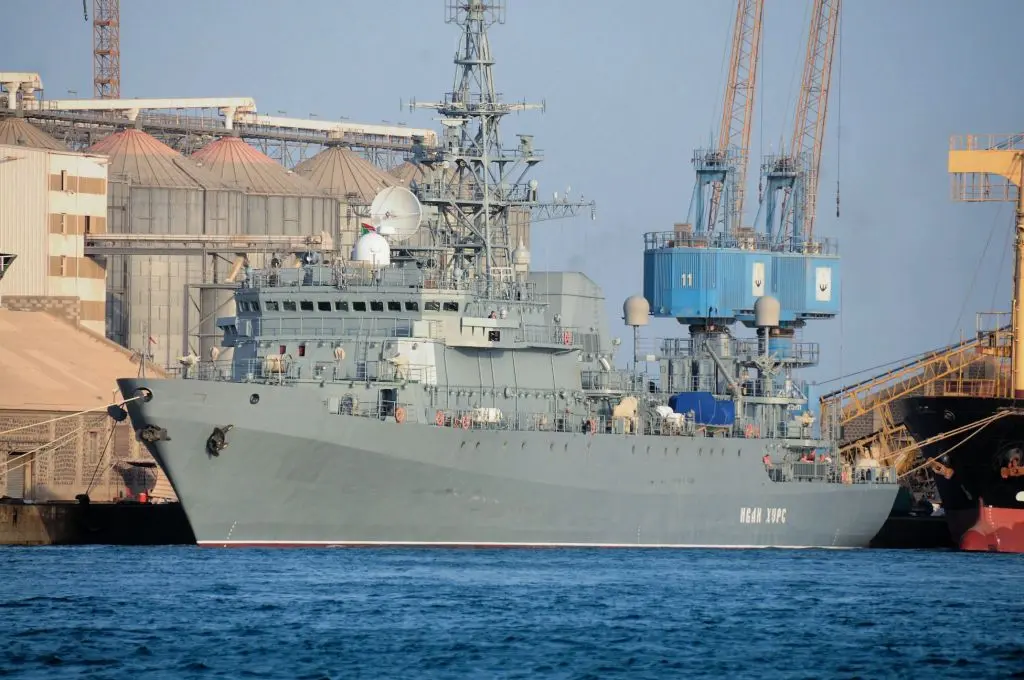
The Wall Street Journal reported that Sudan’s military council proposed the deal to Russian officials in October. The draft agreement would allow Moscow to deploy up to 300 troops and station up to four warships — including nuclear-powered vessels — at Port Sudan or another undisclosed Red Sea location.
In return, Russia would receive priority access to lucrative mining concessions in Sudan, already the third-largest gold producer in Africa.
The paper noted that a Russian base in Port Sudan would give Moscow the ability to monitor shipping to and from the Suez Canal, the vital route linking Europe and Asia that carries roughly 12% of global trade. For Washington, the arrangement would mark a significant setback in its efforts to prevent Russia and China from consolidating control over African ports that could be used to resupply warships or threaten international sea lanes.
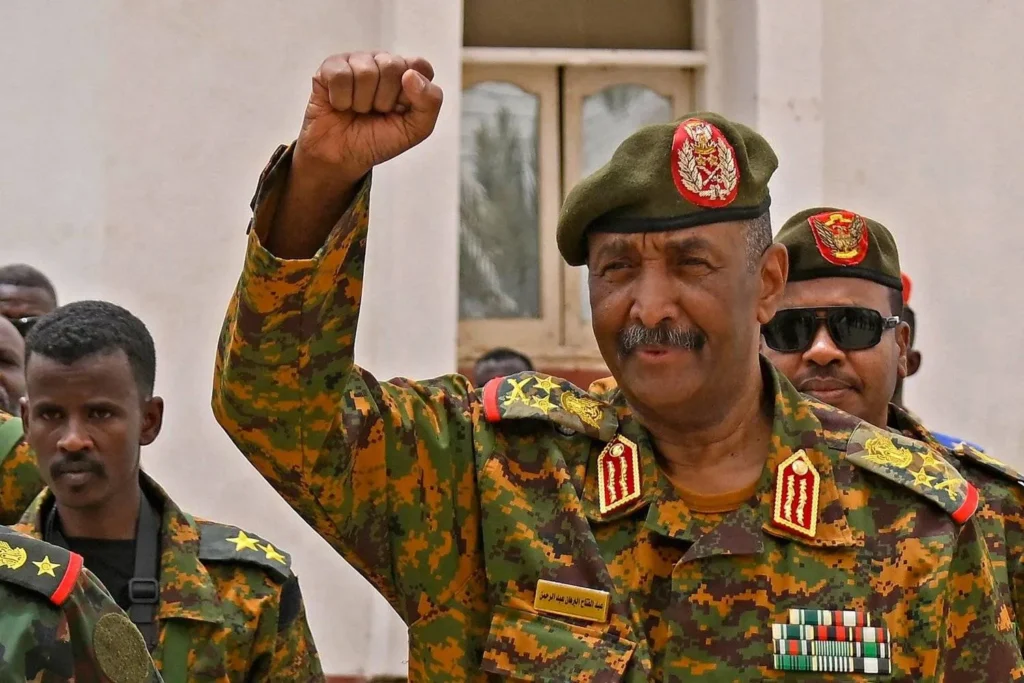
For General Abdel Fattah al-Burhan and the military leadership in Khartoum, such a deal would be another attempt to shore up their hold on power by courting external patrons, even at the risk of further alienating Western partners.
Arms for Khartoum amid war
In exchange for access to Sudanese territory, the SAF would reportedly receive advanced Russian air defence systems and other weaponry at preferential prices, as it wages war against the Rapid Support Forces (RSF).
The prospect of new arms supplies from Moscow has heightened US concerns that foreign military deals could entrench Sudan’s war rather than move the parties toward a ceasefire or political settlement.
Trump says he will step in on Sudan
Adding another layer to the diplomatic picture, US President Donald Trump said on 19 November that he would work to end the war in Sudan after Saudi Crown Prince Mohammed bin Salman personally asked him to intervene.
Speaking at a US-Saudi investment forum held on the sidelines of the Saudi-US summit, and in the presence of the crown prince, Trump said:
“[The Crown Prince] mentioned Sudan yesterday and said: ‘Mr President, you’re talking about a lot of wars, but there is a place on earth called Sudan, and what is happening there is horrific.’”
Trump added that his administration began examining the Sudan file “within half an hour” of the discussion, and that Washington welcomed Saudi and American efforts to push for peace.
For now, however, Sudan finds itself at the centre of an intensifying geopolitical tug-of-war — with its generals weighing a Russian security offer that could bring short-term military gains, but at the cost of deeper isolation and renewed US pressure.