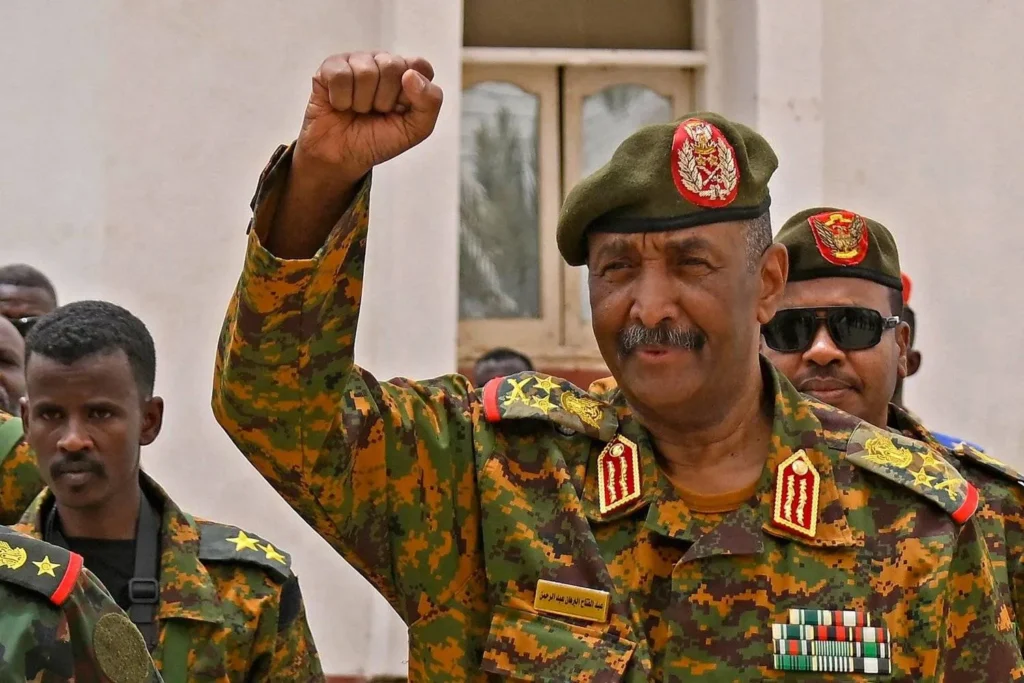
The United States is considering a sweeping new package of sanctions against the leaders of General Abdel Fattah al-Burhan’s army (SAF) and the Rapid Support Forces (RSF), after Washington’s latest push to secure a ceasefire in Sudan failed to gain traction, according to a report originally published by the Guardian.
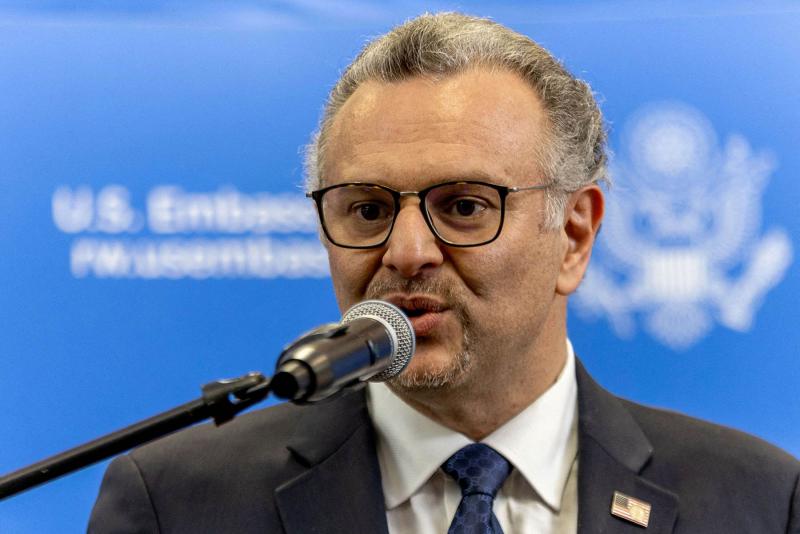
The possible measures under review follow the unsuccessful efforts of US envoy Masad Boulos, who has struggled to persuade either side to accept a lasting halt to hostilities — a move diplomats see as a tacit admission that the current mediation track has stalled.
Trump weighs tougher penalties after MBS appeal
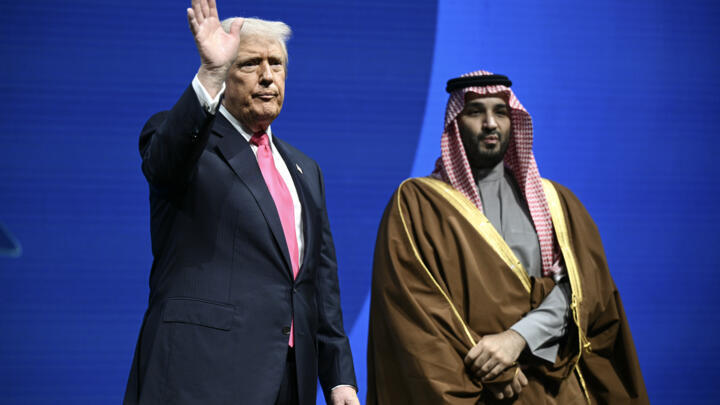
US officials say the renewed push comes after a direct appeal from Saudi Crown Prince Mohammed bin Salman for former US President Donald Trump to personally intervene to end the war.
People familiar with the discussions say Trump is now weighing a tougher sanctions response that would target those seen as obstructing a ceasefire, signalling a readiness to expand punitive measures well beyond the current list.
Previous US sanctions have focused on senior figures in the SAF and RSF, a small circle of Islamist allies of the military leadership, and a handful of companies registered in the United Arab Emirates. The new package under consideration would likely widen that net to include a broader range of armed and political actors seen as fuelling or financing the conflict.
Oslo talks aim to prepare for a return to civilian rule
In a parallel diplomatic track, Norway is preparing to host discussions in the coming weeks that would bring together a broad spectrum of Sudanese civil society groups.
Norwegian Deputy Foreign Minister Andreas Motzfeldt Kravik said the aim of the Oslo process is to agree on principles and a roadmap for restoring civilian rule once the fighting stops, so that political groundwork is not left until after a ceasefire.
“The idea is to help Sudanese actors outline what a transition back to civilian government should look like the moment there is space for politics again,” he said, stressing that the talks would not replace ceasefire negotiations but run alongside them.
A war driving the world’s worst humanitarian crisis
The war between SAF and the RSF has killed tens of thousands of people and triggered what aid agencies describe as the world’s worst humanitarian crisis. More than 14 million people have been forced from their homes inside and outside Sudan, with large parts of the country pushed to the brink of famine.
UN High Commissioner for Human Rights Volker Türk warned of escalating violence in the Kordofan region, saying he fears “a new wave of atrocities”. His office has received reports that at least 269 civilians have been killed in North Kordofan since 25 October, largely due to shelling and summary executions.
International criticism and calls for civilian government
From the Gulf, the United Arab Emirates has publicly criticised both sides. Emirati Minister of State Lana Nusseibeh accused SAF and the RSF of committing “grave violations and tarnishing their own reputations”, arguing that the only way out of the crisis is a return to a broad-based civilian government.
Her comments highlight a growing international consensus that any sustainable settlement must sideline purely military rule and bring civilians back to the centre of Sudanese politics — a principle many Western and regional governments say should underpin future sanctions and diplomatic incentives.
The rejected Quad plan
The latest sanctions debate also comes against the backdrop of a broader political proposal that has already been rejected by the SAF.
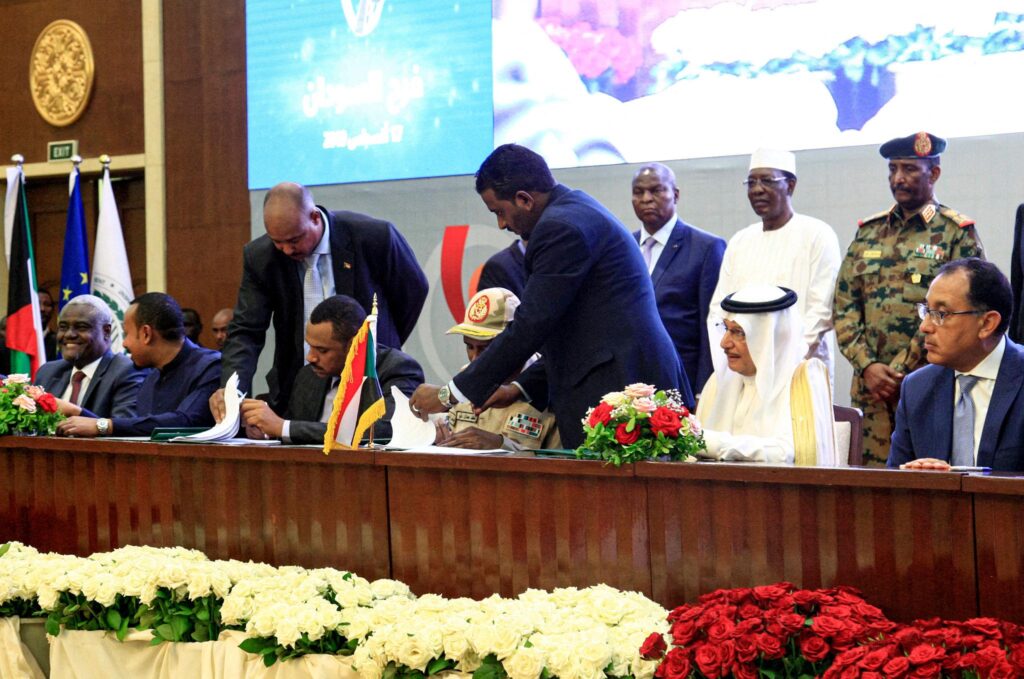
On 21 September, the so-called Quad — the United States, Saudi Arabia, the United Arab Emirates and Egypt — tabled a plan that called for a three-month humanitarian truce, followed by a nine-month political process leading to civilian rule.
Sudan’s SAF leadership reacted angrily, accusing the Quad of bias and claiming the proposal amounted to dismantling the national army.
By contrast, the RSF publicly signalled acceptance of the outline, and welcomed Trump’s offer.
As Washington weighs broader sanctions and Oslo prepares for talks with civilians, diplomats say the gap between the war’s devastating human cost and the willingness of the generals to compromise is only widening — and that any new pressure campaign will be judged by whether it can finally move the parties closer to silence the guns.