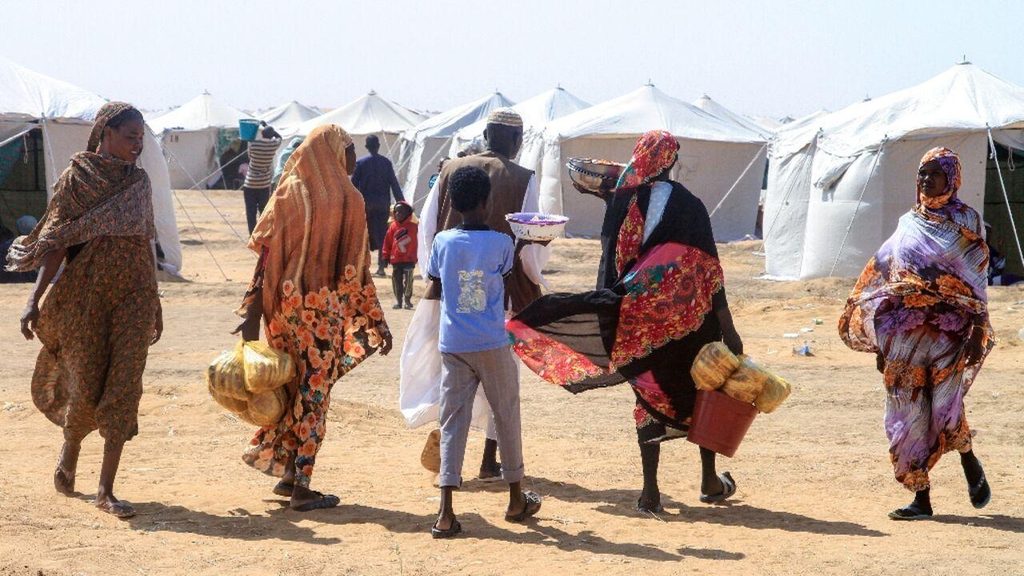
The United Nations World Food Programme (WFP) has pledged emergency food assistance for 30,000 displaced Sudanese in Northern State after interruptions to humanitarian supplies left families facing growing food shortages.
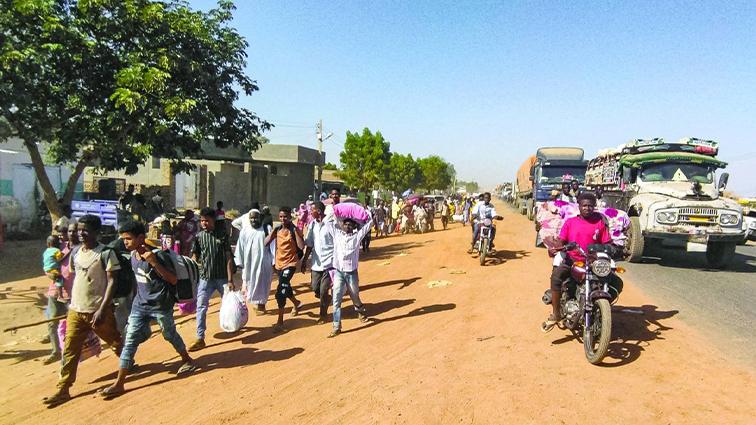
The exceptional allocation will provide one month of assistance to people sheltering in El Dabba, where families fleeing fighting in Darfur and Kordofan continue to arrive daily.
Northern State humanitarian aid commissioner Wail Mohammed Sharif said the allocation was secured following discussions with a visiting WFP delegation about the suspension of food deliveries.
Local authorities estimate that between 25 and 30 displaced families are arriving in El Dabba each day, placing additional pressure on already overstretched humanitarian services.
Many of those arriving depend on food distributions, having fled their homes without sufficient resources to support themselves.
Kawthar Jaafar, the locality’s humanitarian aid commissioner, said the volume of recent arrivals had created a substantial gap between available food supplies and the needs of displaced households.
She called for newly displaced families to receive priority in upcoming food distributions.
Al Hassan Ibrahim Hamed, who heads El Dabba’s emergency and crisis committee, also stressed the importance of maintaining regular food deliveries rather than relying on temporary emergency allocations.
Local officials have raised concerns about the closure of the WFP’s office in El Dabba. However, the programme’s Khartoum area manager said humanitarian operations would continue despite the office’s closure.
The programme is also considering projects intended to help communities develop sustainable sources of income and food production.
Funding crisis threatens further cuts
The emergency allocation comes as the WFP prepares to reduce food assistance across Sudan because of inadequate international funding.
Ross Smith, the programme’s director of emergency preparedness and response, warned that from January, assistance for communities experiencing famine would be reduced by 70 percent, while communities at risk of famine would face cuts of 50 percent.
The WFP has separately warned that funding shortages have forced it to remove 900,000 vulnerable Sudanese from emergency food assistance through the end of 2026.
Most families still receiving assistance are being provided with rations covering approximately half of their minimum food requirements.
Darfur and Kordofan remain among the country’s most vulnerable regions, with ongoing fighting disrupting agricultural production, commercial activity and humanitarian supply routes.
The WFP has also warned that changing climatic conditions associated with El Niño could push an additional 1.2 million Sudanese into acute hunger by August 2027.
Northern State officials are appealing to international donors for additional assistance, warning that funding shortages could affect essential services beyond food distribution.
Although the latest allocation offers temporary relief for thousands of families, no longer-term funding commitment for El Dabba was announced. Continued displacement and nationwide ration cuts threaten to deepen the crisis once the emergency allocation expires.