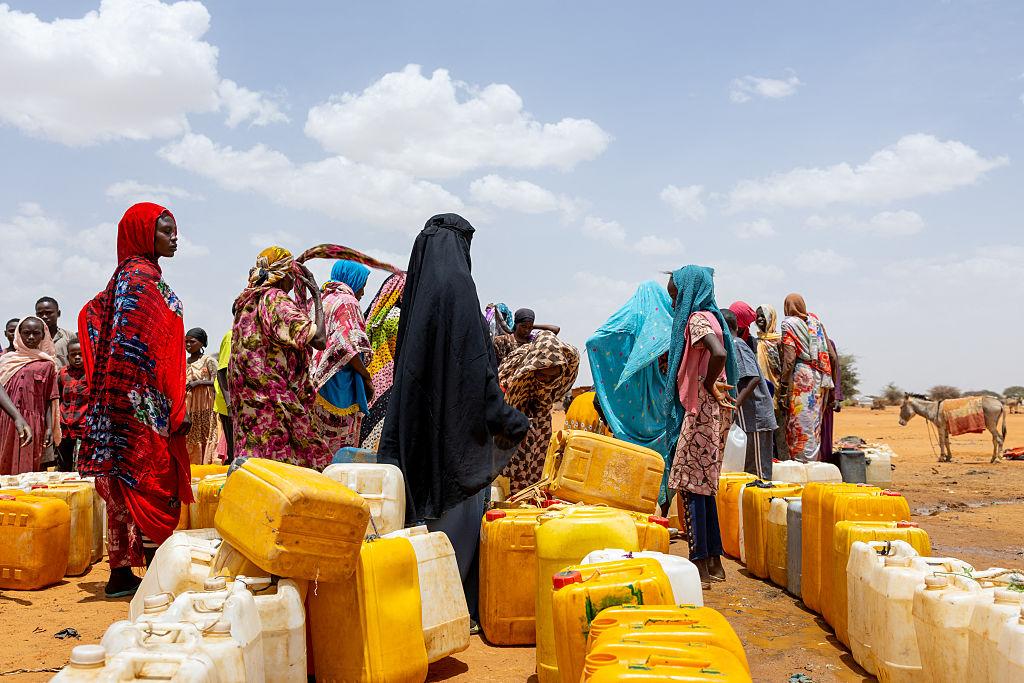
Médecins Sans Frontières is facing a major accountability scandal after an internal investigation found dozens of allegations of sexual exploitation and abuse involving staff and contractors working in eastern Chad, where hundreds of thousands of Sudanese refugees have fled the war.
The organization, also known as Doctors Without Borders, said the allegations were first reported in late 2024 by Sudanese refugee women against MSF staff in eastern Chad. MSF said it sent investigation teams to the area, dismissed 18 staff members and barred them from future work with the organization.
But reporting on the internal findings shows the scandal goes beyond a small number of individual cases. The Associated Press, citing a confidential MSF report, said investigators reviewed 59 allegations of misconduct, including sexual harassment, sexual exploitation and abuse.
Some allegations involved underage girls. Others involved claims that food, jobs or access to aid were exchanged for sex. The report also said some repeated patterns of exploitation suggested possible organized sexual trafficking.
The allegations were not limited to Sudanese refugees. AP reported that the abuse and exploitation also affected Chadian locals, MSF workers and contractors, pointing to a wider failure inside one of the world’s largest humanitarian organizations.
The internal findings also raised questions about how abuse was allowed to continue. According to AP, the report identified ineffective complaint systems, victims who feared reprisals, and people who did not know how to report abuse. It also pointed to rapid staff turnover, weak reference checks and cases in which problematic staff were rehired.
Those details have made the scandal especially damaging for MSF, which works in some of the world’s most vulnerable crisis zones and often presents itself as a frontline protector of civilians.
In eastern Chad, the power imbalance between aid workers and refugees is extreme. Sudanese women and girls who escaped war, hunger and mass violence often depend on humanitarian agencies for food, medical care, shelter and protection. When aid workers control access to basic assistance, even informal pressure or implied threats can become coercive.
MSF said it deeply regretted the harm caused and had strengthened complaint, recruitment and protection systems. It also said identified survivors were offered medical, psychological and legal support.
Still, the case has raised a wider question: how did alleged abuse involving refugees, local residents, workers and contractors happen inside an organization with years of safeguarding policies?
Arabic and Sudanese media have focused heavily on the dismissal of the 18 staff members and the finding that 59 allegations were reviewed. Several Arabic outlets described the case as sexual exploitation and abuse targeting Sudanese refugee women in eastern Chad, while Sudanese coverage highlighted anger that women who fled the war were allegedly exploited inside the aid system.
The scandal also prompted a political response from Sudan’s TASIS-backed Government of Peace and Unity, which suspended MSF operations in areas under its control and formed a 30-day fact-finding committee. The decision was framed by TASIS as an accountability step following allegations involving Sudanese refugee women.
Supporters of the move said foreign humanitarian organizations must not operate above scrutiny when Sudanese civilians are harmed. They argued that aid work cannot become a shield against investigation, especially in cases involving refugees, women and children.
The scandal now places pressure on MSF and the wider humanitarian system to explain not only what happened in eastern Chad, but why internal safeguards failed to stop it sooner.