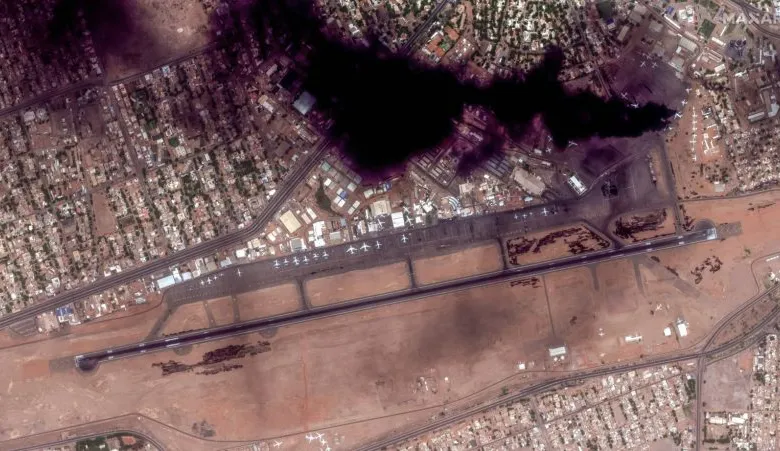
An analysis of the Khartoum International Airport file shows that the problem is not a lack of political will, but the absence of the basic conditions required to operate a civilian airport in an active conflict zone. Civil aviation is not a local activity that can be restored by a unilateral decision. It is part of an interconnected international system governed by strict rules on safety, insurance, and institutional recognition.
The first requirement is comprehensive security, not just military control. Even if control over the immediate surroundings of the airport were assumed, civilian operations require broader stability, including secure airspace, reliable communications networks, and functioning supporting infrastructure. In Khartoum, all of these elements remain vulnerable to sudden disruption, making risks unpredictable and impossible to contain.
The second major obstacle is the absence of insurance coverage. Without insurance, no airline can operate even a single flight, as any incident, however minor, could lead to bankruptcy and legal action. Insurance companies do not rely on official statements or media messaging, but on international security assessments, which continue to classify Khartoum as an active conflict zone.
Reopening Khartoum airport would also mean diverting air traffic away from Port Sudan airport, currently the only airport operating at a minimally acceptable standard. Such a shift would risk jeopardising the country’s sole relatively safe air gateway, making the idea impractical even from an administrative perspective.
An examination of the media discourse surrounding the issue suggests that it is not aimed at airlines or international organisations, but at domestic public opinion. Promoting the idea of resumed flights sends a message that the capital has returned to normal life, even if that normality exists only at a media level.
In conclusion, reopening Khartoum International Airport for civilian use under current conditions contradicts aviation regulations, risk management principles, and basic crisis governance logic. As such, discussion of the issue remains part of a battle of narratives, not a realistic operational plan.