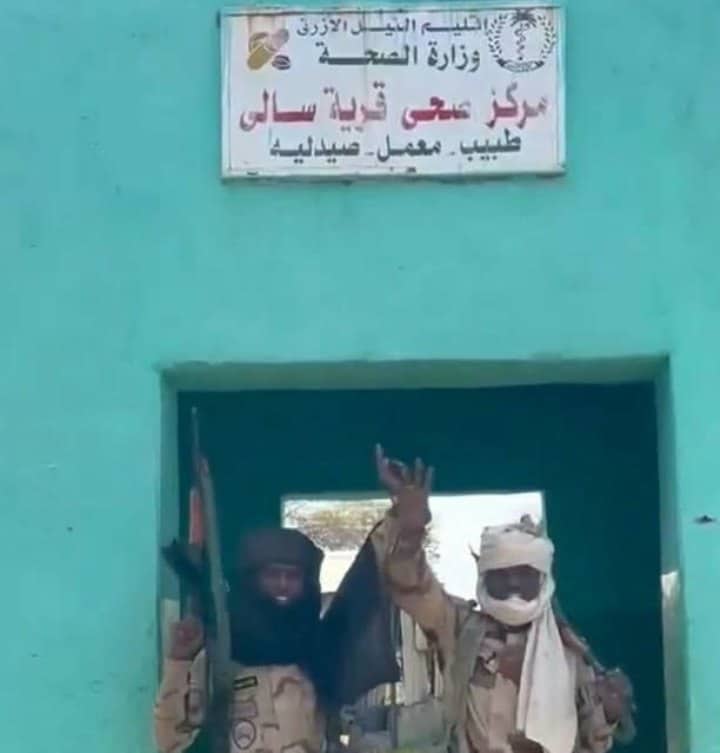
Satellite imagery analysed by Yale University’s Humanitarian Research Lab has corroborated the capture of the strategic Sali military position in Sudan’s Blue Nile region by forces aligned with the Sudan Founding Alliance (TASIS).
The findings provide independent evidence supporting the alliance’s earlier announcement that its forces had seized the location following clashes with Sudan’s military.
In a report published on November 5, Yale researchers examined satellite imagery collected between October 29 and November 4, documenting extensive destruction at the military position previously occupied by Sudan’s army.
The analysis identified the razing of the military encampment at Sali, an important location along the road connecting the regional capital, Damazin, with the border town of Kurmuk.
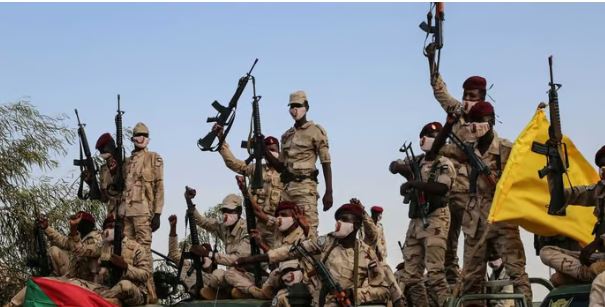
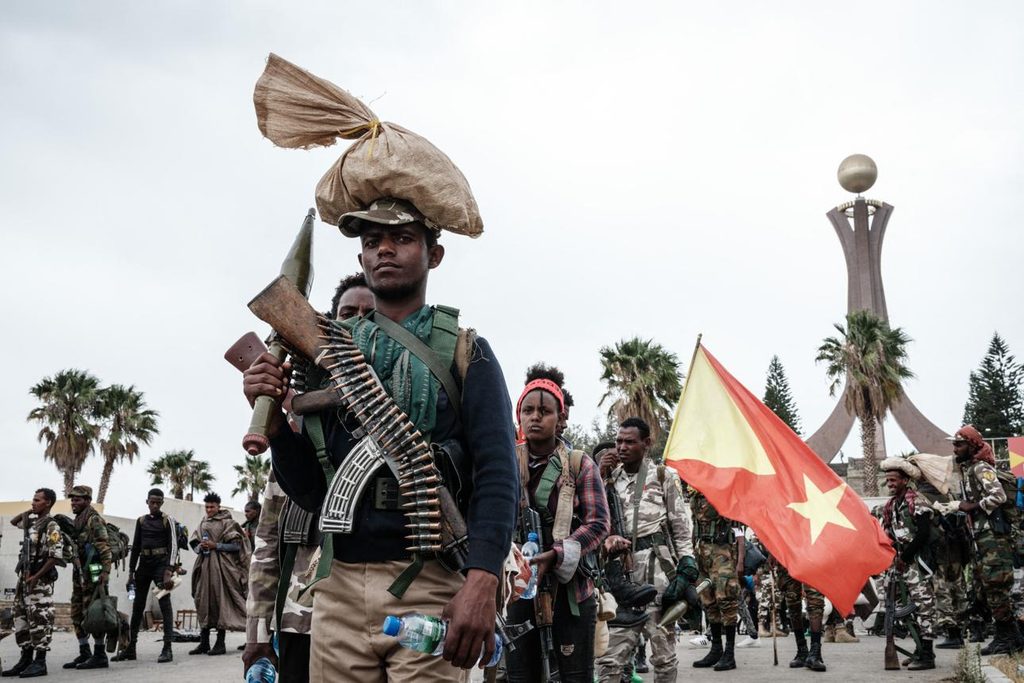
TASIS forces, including the Rapid Support Forces and the Sudan People’s Liberation Movement-North, announced control of Sali earlier this month as part of a broader offensive across southeastern Sudan.
The satellite findings strengthen evidence that control of the position had shifted following the recent fighting.
The Yale report also documented damage at several civilian and military locations in Damazin, where drone strikes have intensified.
Researchers identified evidence of munition impacts or fire damage at at least six locations in civilian areas, including sites near markets and a mosque.
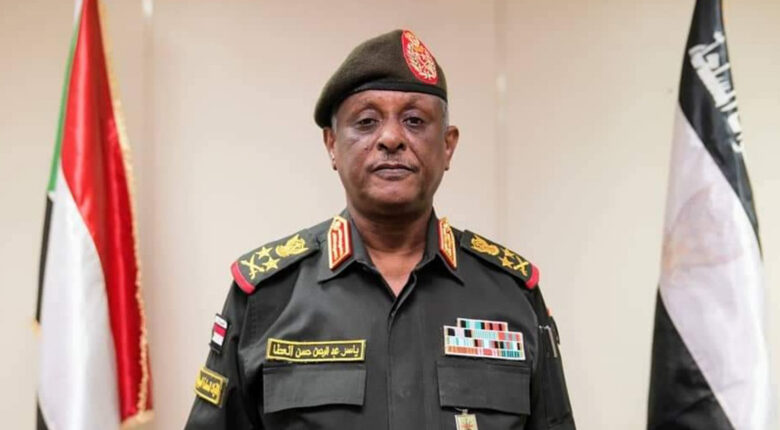
Military installations, including positions associated with the Fourth Infantry Division and the 44th Artillery Division, also showed signs of damage.
The report attributed the pattern of destruction in Damazin to the recent aerial campaign, while highlighting the growing risks faced by civilians as fighting approaches the regional capital.
Beyond the battlefield, satellite imagery revealed a worsening humanitarian situation.
More than 800 additional temporary shelters were identified at a displacement camp in Damazin over approximately one month, indicating significant new displacement pressures.
Long queues were also observed at several fuel stations, reflecting worsening shortages of essential supplies.
Yale researchers additionally recorded increased logistical activity at an Ethiopian military facility in Asosa, across the border from Blue Nile.
The laboratory assessed the activity as consistent with support for RSF operations, although satellite observations alone cannot establish the full nature or origin of individual shipments.
The latest findings come as TASIS continues to report advances in Blue Nile, including the capture or recapture of several strategic positions around Sali, Al-Kayli and Bakori.
The fighting has intensified pressure on Sudan’s military presence in the region, while raising concerns about further civilian displacement and disruption to essential services.