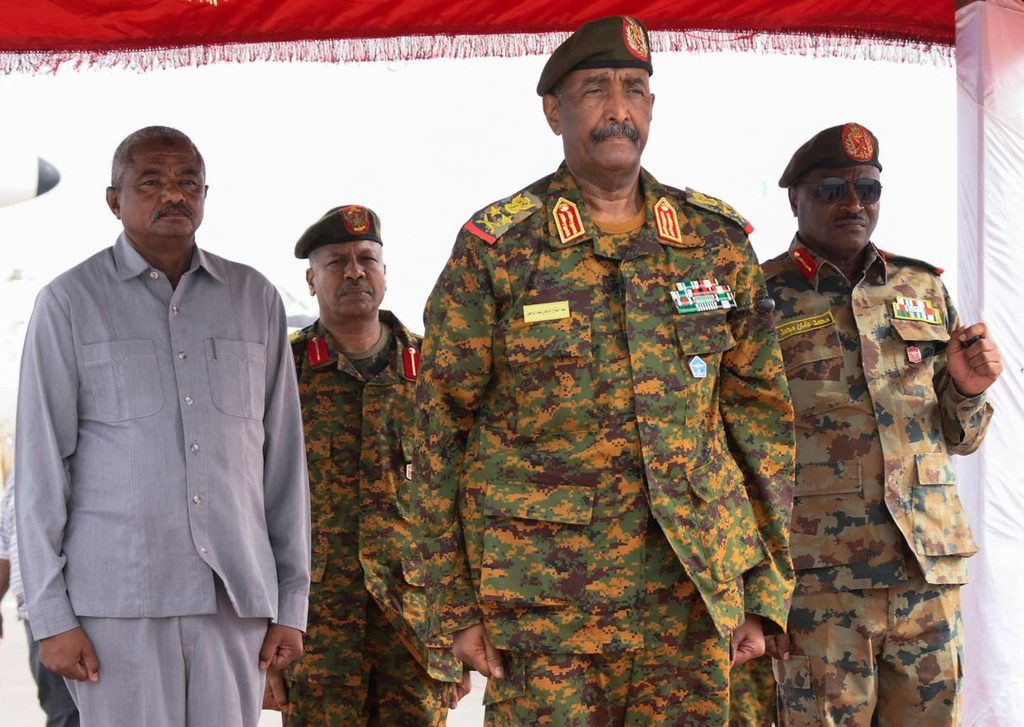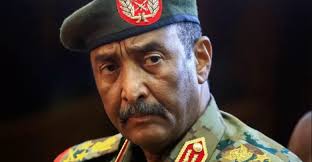
International and domestic warnings are intensifying toward Sudan’s army leadership, particularly General Abdel Fattah al Burhan, over the consequences of rejecting the “Quad Mechanism” initiative aimed at ending the war.
Politicians and analysts caution that the army’s continued insistence on a military solution could open the door to “unconventional” international pressure, potentially extending beyond political measures to directly target Burhan and groups aligned with the army, in a veiled reference to Islamist or Brotherhood linked militias.
Bakri Al Jak, spokesperson for the Samood coalition, told local media that the international community remains committed to the Quad initiative and that any attempt to sidestep it will escalate both political and legal pressure.
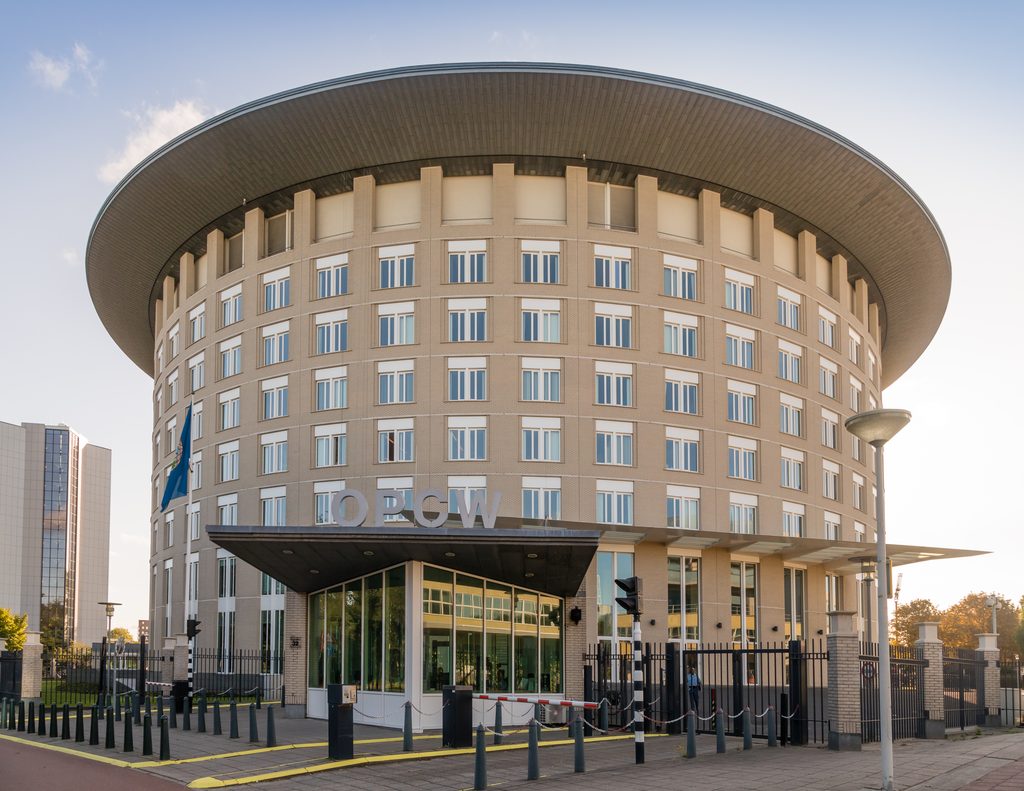
Speaking to Doroob newspaper, Al Jak outlined possible international responses that could target the current leadership and its allies. These include reopening investigations into the use of chemical weapons, especially after the US publicly accused the army in 2024 of violating international law and using banned weapons, as well as the potential designation of army allied groups, particularly Brotherhood linked militias, as terrorist organisations. Such steps would place direct pressure on pro war factions within both civilian and military institutions and increase scrutiny on political figures backing Burhan.
Al Jak stressed that the warring parties are left with only two paths. Either they commit to the Quad’s roadmap or they slide into a full scale war scenario that risks the fragmentation of Sudan into competing military enclaves.
Meanwhile, Mohamed Ismat Yahya, leader of the Unified Federal Party, warned that continued rejection of the Quad initiative could trigger more severe measures from states supporting the plan. He said the impasse could open the door to direct intervention if the “Port Sudan authorities” persist in resisting the timetable that includes a humanitarian truce and a transitional period designed to address key issues, especially dismantling the Brotherhood’s influence within military and civilian institutions.