Archaeologists in northern Sudan have discovered an ancient Arabic document in a rubbish heap in Dongola’s old city.
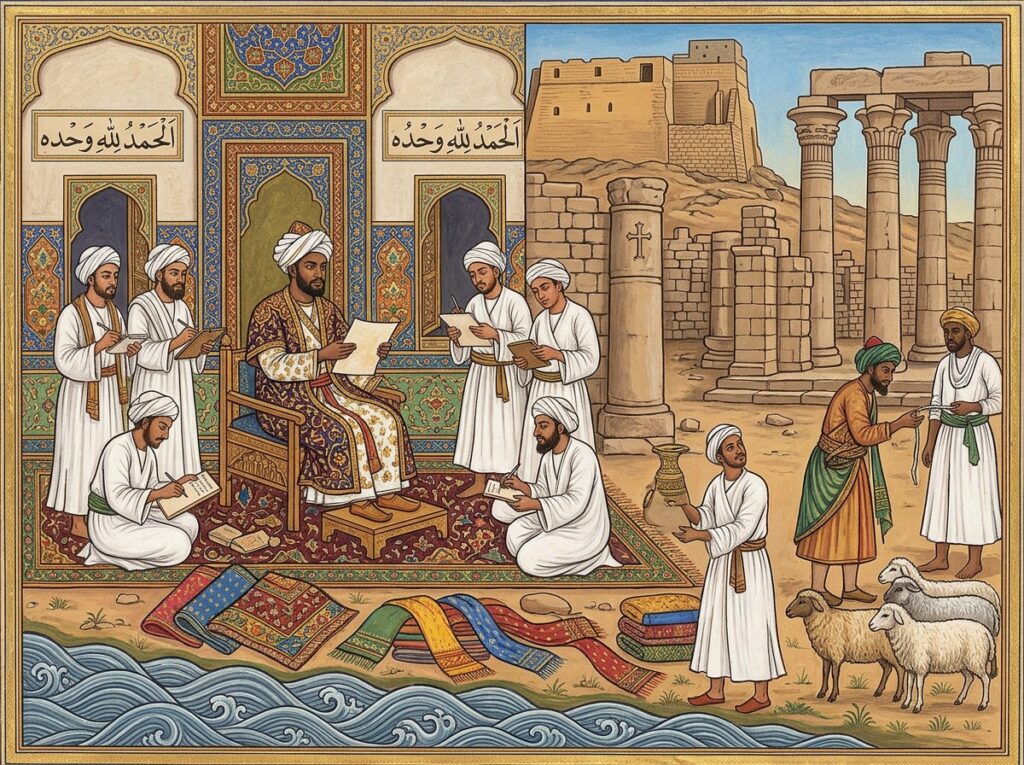
The fragile manuscript contains a royal decree issued in the name of King Qashqash, long regarded as a legendary figure known only from oral traditions and texts such as the Book of Classes.
Researchers say the document, written in colloquial Arabic, includes administrative instructions attributed to the king and offers the first physical evidence that he may have been a real historical ruler.
Historians believe Qashqash ruled in the late sixteenth or early seventeenth century.
The manuscript was found in a structure known locally as Beit al-Mak, believed in oral tradition to have been the residence of Nubian kings.
Archaeologists also uncovered textiles, leather shoes, a gold ring and an ivory dagger handle, suggesting the building housed members of the ruling elite.
Scholars say the discovery sheds light on a little-documented period when Nubia was transitioning from Christianity to Islam and Arabic was spreading across the kingdom.