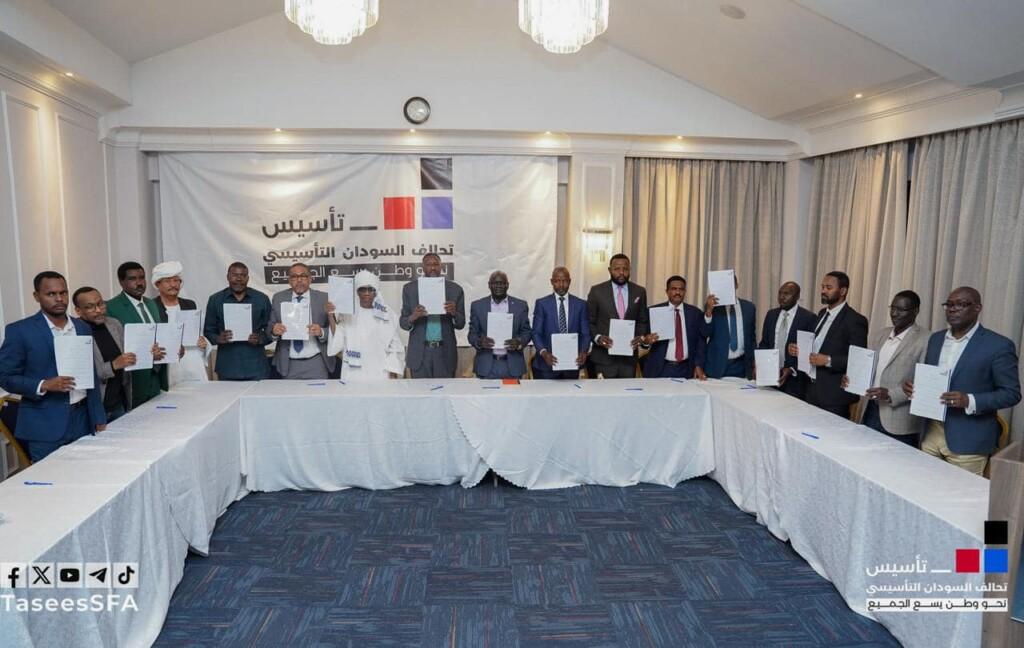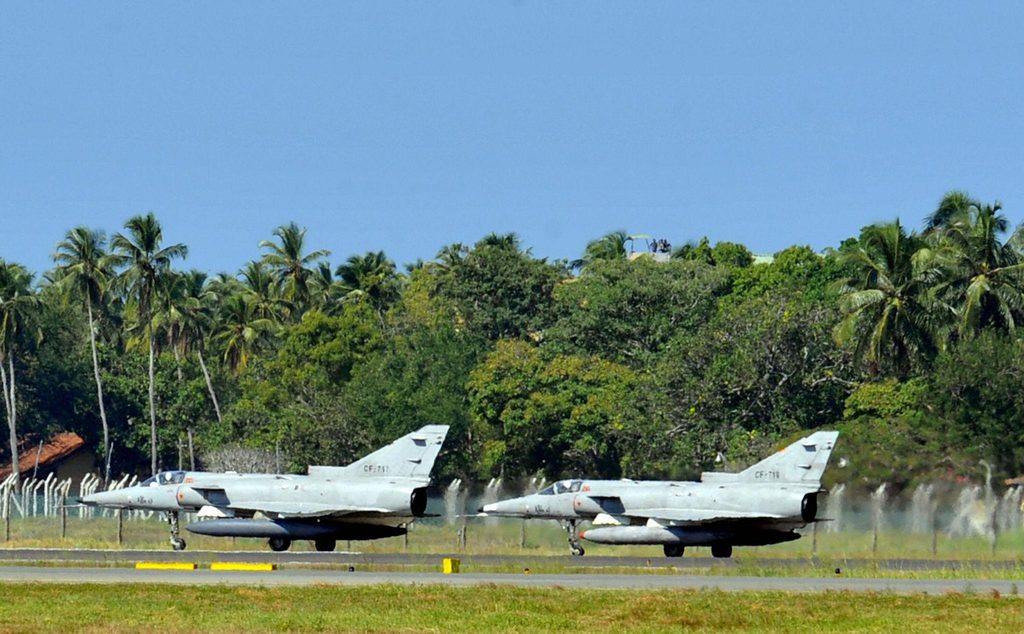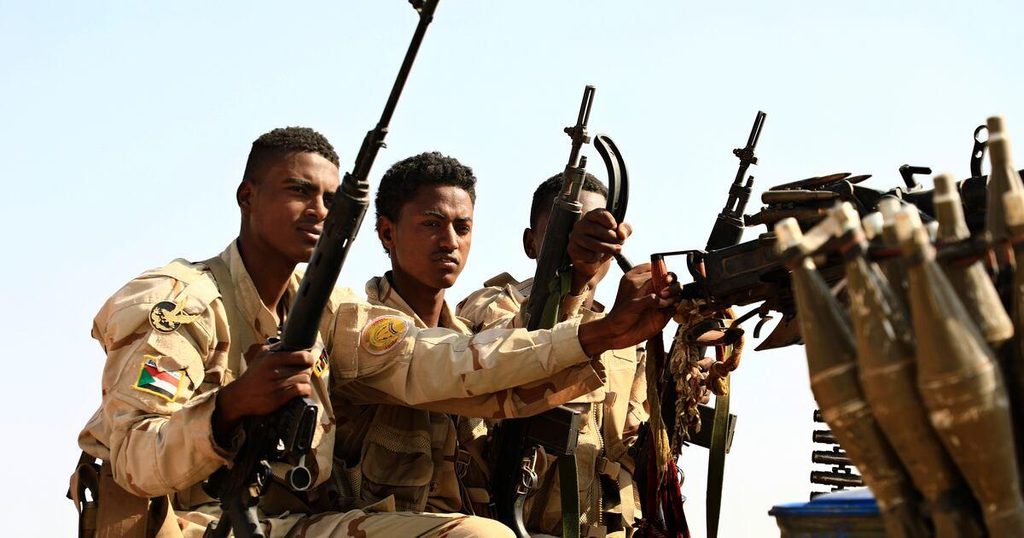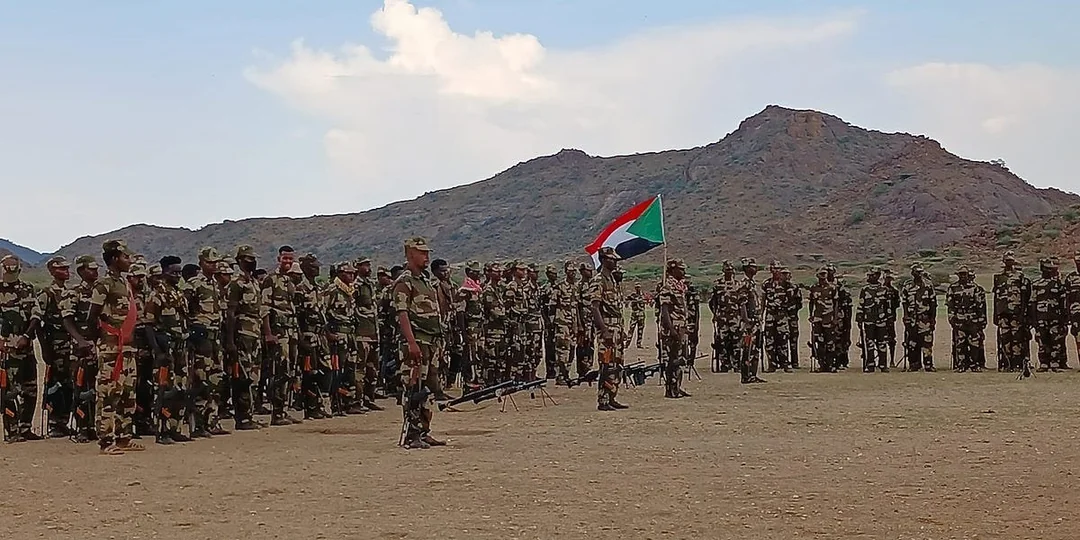
More than a dozen armed groups are now fighting alongside General al-Burhan’s army (SAF), many of them reportedly trained and armed in Eritrea, raising concerns about the growing regionalization of Sudan’s war.
Eastern Sudan, bordering Egypt, Eritrea and Ethiopia and stretching along the Red Sea, has increasingly become a strategic theatre in the conflict between SAF and the Rapid Support Forces (RSF).
Strategic region amid regional tensions
The region’s geography places it at the crossroads of several geopolitical rivalries. Eritrea and Ethiopia remain long-standing rivals, and eastern Sudan is viewed as a potential corridor through which either side could project military power.
The region’s more than 700-kilometre Red Sea coastline also makes it an important section of global maritime trade routes, drawing international and regional attention.
Eastern Sudan is home to a complex mixture of ethnic and tribal communities, including groups with cross-border ties to Eritrea, Ethiopia and Egypt. The area also hosts large numbers of refugees from neighboring conflicts, making it a potential rear base for regional wars.
Historically, both Eritrea and Ethiopia hosted Sudanese rebel movements, which launched operations into Sudan from their territory during previous conflicts.
Following the 2005 Comprehensive Peace Agreement between the Sudanese government and the Sudan People’s Liberation Movement (SPLM), armed groups in eastern Sudan also signed the Eastern Sudan Peace Agreement in Asmara in October 2006 under Eritrean mediation. The deal promised power-sharing and integration of rebel forces into Sudan’s security institutions, but critics say Khartoum failed to fully implement its commitments.
War fuels rise of militias
When war erupted between SAF and the RSF in April 2023, the government relocated to Port Sudan, turning the Red Sea city into the country’s temporary capital.
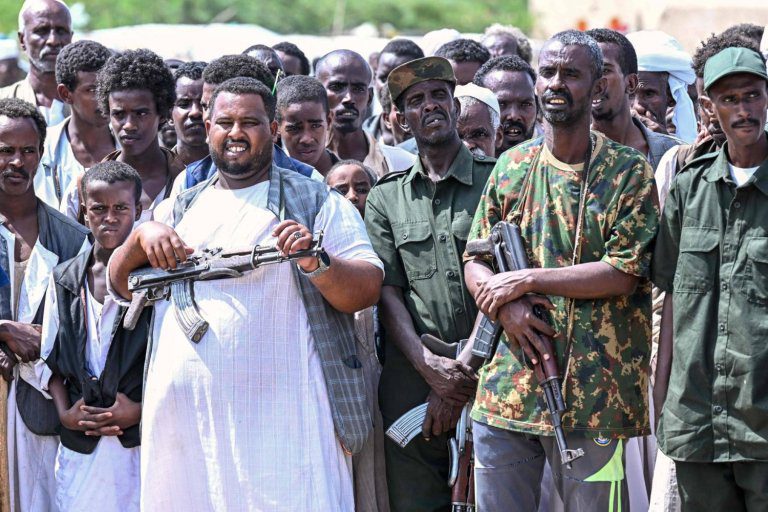
Since then, numerous armed factions have emerged or expanded in eastern Sudan. Analysts estimate that at least eight local militias have been formed in the region since the outbreak of the war, most declaring loyalty to SAF despite rival ethnic affiliations.
Many of these groups have reportedly sought funding, weapons and influence by aligning themselves with SAF and Islamist networks that previously dominated Sudan’s political system.
Tribal militias mobilize
Among the newly active groups is the National Movement for Justice and Development, led by Mohamed Suleiman Beitai, a former senior member of the dissolved National Congress Party that ruled Sudan under Omar al-Bashir.
Another group, the Eastern Corps, linked to the Popular Front for Liberation and Justice under Amin Daoud, was formed in late 2024. Daoud had previously been appointed head of the “Eastern Sudan track” in the 2020 Juba peace agreement, a move that sparked opposition from rival tribal leaders.
Meanwhile, the East Sudan Liberation Movement, led by Ibrahim Dunya, reportedly held its first conference in Eritrea in 2024 with full Eritrean backing. Fighters from the group are believed to have trained in camps near Eritrea’s border and now number roughly 2,000 combatants drawn mainly from the Beni Amer and Habab communities.
Other factions include the East Sudan Parties and Forces Alliance led by Sheiba Dirar and the East Sudan Shield Forces, established in 2025 under Mubarak Hamid Berki, the son of a Rashaida tribal leader with known ties to Sudan’s former ruling Islamist movement.
Although the Free Lions movement, associated with the Rashaida tribe, has remained largely inactive during the current war, analysts say it still retains the potential to influence future power struggles in the region.
Darfur groups also deployed
In addition to local militias, several armed movements from Darfur are now operating in eastern Sudan alongside SAF.
These include:
- The Sudan Liberation Movement led by Minni Arko Minnawi
- The Justice and Equality Movement led by Finance Minister Jibril Ibrahim
- The Sudan Liberation Movement – Mustafa Tambour faction
These groups, which signed the Juba Peace Agreement, initially fought the Sudanese government during the Darfur conflict beginning in 2003 but later allied themselves with SAF after the RSF seized large parts of Darfur.
Many of their fighters in eastern Sudan are locally recruited from Darfuri communities living in the region and are believed to have received training in Eritrea.
Growing tribal polarization
Journalist and eastern Sudan affairs specialist Hossam Haidar says the proliferation of militias reflects deep tribal competition for power and resources.
He argues that the absence of strong civil institutions has allowed tribal leaders to dominate political life in the region, contributing to the formation of rival armed groups.
“The region has become vulnerable to external rivalries, especially the tensions between Eritrea and Ethiopia,” Haidar said. “Eastern Sudan risks becoming a proxy battlefield for regional power struggles.”
Regional involvement raises alarm
Observers also warn that Eritrea’s alleged role in training and arming some of the militias could further internationalize Sudan’s war.
Reports suggest that several eastern Sudan factions received training in Eritrean camps under the supervision of Eritrean forces, though Asmara has repeatedly denied such claims.
Sudanese journalists who met Eritrean President Isaias Afwerki last year reported that he warned Eritrea could intervene if fighting spread to eastern Sudan or Blue Nile State.
Sudan’s SAF chief Abdel Fattah al-Burhan later made an unannounced visit to Eritrea, where security and military cooperation were reportedly discussed.
Meanwhile, Ethiopia remains locked in a border dispute with Sudan over the fertile al-Fashaga region, while thousands of fighters from Ethiopia’s Tigray conflict remain in Sudan after fleeing the 2020 war.
Region on the brink
With multiple armed factions, cross-border tensions and tribal rivalries converging in eastern Sudan, analysts warn the region is at risk of becoming a new front in the country’s devastating civil war.
Many fear that if conflict spreads further into the east, it could ignite wider regional confrontations that would be far more difficult to contain.