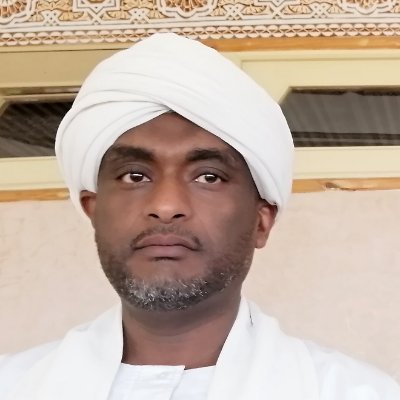
The release of a prominent Sudanese Islamist figure known for his close ties to Iran and his calls to confront the United States and Israel has sparked renewed debate over the influence of Islamist factions within the military leadership based in Port Sudan.
Islamist leader Naji Mustafa announced on Sunday that he had been released after more than three months in detention, confirming the news in a social media post in which he said he had returned to public life.
“After more than three months of detention, we have returned… and the return is stronger,” Mustafa wrote in a brief message.
The post provided no details about the reasons behind his arrest or the circumstances of his release. General Abdel Fattah al-Burhan’s army (SAF) has also issued no official statement explaining why Mustafa was detained or why he was freed.
Mustafa’s release came just three days after remarks by Sudan army chief Abdel Fattah al-Burhan, who warned leaders of Islamist brigades and factions fighting alongside the military, including jihadist figure Naji Abdullah, following calls from those groups to join Iran in its war against the United States and Israel.
At the time, Burhan’s comments were widely interpreted as a signal that the military leadership might move against Islamist factions operating within the pro-army camp. However, the release of one of the movement’s most prominent figures has revived questions about how serious those threats were.
Civilian alliance criticism
Sharif Mohamed Othman, a leading member of the Civil Democratic Forces Alliance “Sumoud,” said the release reflects the current balance of power within Port Sudan’s ruling circles.
He noted that some observers had expected Burhan to take action against hardline Islamist leaders.
“Yet Naji Abdullah and his associates remain free. In fact, the opposite has happened with the release of Naji Mustafa, one of the figures most closely associated with Iran,” Othman said.
He argued that the move reinforces claims that Islamist factions wield significant influence within the Sudanese military and may even hold decisive sway over both political and military decision-making.
Controversial statements
Naji Mustafa, one of the most prominent leaders of Islamist battalions supporting the Sudan army, sparked widespread controversy in October when he openly called for support for Iran in its regional confrontation.
“Iran is right,” Mustafa said at the time. “There is a close link between Tehran’s war and the war in Sudan, and we must support it and fight the Zionists and the Americans.”
Such remarks have heightened concerns over the growing influence of jihadist Islamist factions within the Sudanese military. They have also raised fears that Sudan’s war could become entangled in a broader regional conflict, particularly amid increasing military cooperation between Khartoum and Tehran since the war erupted in April 2023.